Choosing the right soil amendments can dramatically improve sod establishment and maintenance. The following selections emphasize nutrient retention, soil structure, moisture management, and microbial health—all critical for durable, lush lawns. Each product mirrors common turf needs: reducing nutrient leaching, enhancing water efficiency, supporting beneficial microbes, and improving soil texture. The list features biochar-based conditioners, humic- and microbial-boosting blends, and targeted minerals to address soil pH and nutrient balance for American lawns.
| Product | Brand | Highlights |
|---|---|---|
| Wakefield Premium Organic Biochar | Wakefield Biochar | Nutrient retention, water efficiency, carbon-negative |
| Farmer’s Secret Soil Revitalizer | Farmer’s Secret | Activated humic acid, microbial boost, organic |
| The Andersons HumiChar 12,000 sq ft | The Andersons | Humic acid, biochar, DG tech, OMRI listed |
| The Andersons BioChar DG 5,000 sq ft | The Andersons | Dispersible granule biochar, rapid dispersion |
| Espoma Organic Soil Acidifier | Espoma | Lowers pH, blue hydrangeas, organic |
Wakefield Premium Organic Biochar: Soil Conditioner

Wakefield Biochar’s premium biochar is designed to improve nutrient retention and moisture management in lawn soils. Its porous structure captures nitrogen, phosphorus, and potassium within micro-pores, helping prevent leaching during irrigation or rainfall. As a soil conditioner, it supports clay soils by improving texture, reducing compaction, and increasing water-holding capacity, which translates to steadier growth and fewer drought stresses. The product is marketed as carbon-negative, crafted from agricultural byproducts and verified through third-party testing, aligning with sustainable lawn care goals. For sod installation or long-term lawn maintenance, this biochar contributes to a more resilient soil profile and reduced irrigation needs.
Ease of use is emphasized by recommending gradual incorporation into existing soil or mix with lawn amendments during re-sodding. The infusion of long-term carbon stability can also support soil microbial communities that drive nutrient cycling. Users should consider their local climate and soil type, especially if starting from very sandy or heavy clay soils, to optimize the percentage of biochar blended into the topsoil. Overall, Wakefield Biochar serves as a durable, eco-conscious option for improving lawn soil structure and nutrient availability.
Farmer’s Secret Soil Revitalizer (32oz)

This organic soil revitalizer focuses on feeding the soil rather than the plant tops. Its core ingredients include activated humic acids derived from organic sources and beneficial microbial boosts to accelerate soil biology. The product is OMRI-listed, aligning with organic gardening standards. Monthly applications through the growing season aim to sustain microbial activity, which can improve nutrient availability and soil structure for turf. With no synthetic chemicals, it emphasizes a natural approach to soil health, supporting a thriving root zone that underpins dense, healthy sod.
For sod scenarios, regular application helps maintain a robust microbial ecosystem that supports root development and soil tilth. Home lawn managers often pair this product with slower-release nutrients to balance short-term needs with long-term soil quality. While results can vary with weather and existing soil conditions, the emphasis on organic biology makes this a compelling choice for ecologically minded turf care.
The Andersons HumiChar Organic Soil Amendment (12,000 sq ft)

This product combines biochar with humic acid, offering a dual approach to soil improvement. It is designed to enhance soil health, lawn vigor, and plant health while aiming to reduce fertilizer requirements over time. The formulation uses DG Technology (dispersible granules) to promote fast, even dispersion with water, minimizing dust and ensuring uniform soil incorporation. The blend is OMRI listed, making it suitable for organic-compatible lawn programs and gardeners seeking a soil-building amendment that supports microbial activity and nutrient availability in tandem with biochar’s structure-enhancing benefits.
For sod projects, The Andersons HumiChar can be used during initial establishment or as a top-dress amendment to maintain soil freshness. The humic acids help chelate micronutrients, potentially improving uptake by grass roots. As with other biochar products, it’s most effective when applied according to soil tests and then watered in thoroughly to begin the integration process. This option offers a balanced mix of carbon, biology, and nutrient mobility for sustainable sod performance.
The Andersons BioChar DG Organic Soil Amendment (5,000 sq ft)
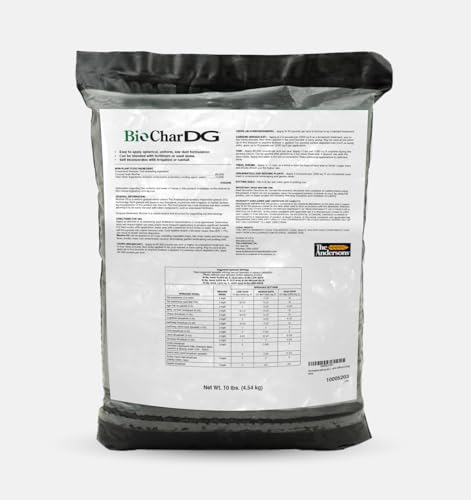
The Andersons BioChar DG product uses dispersible granule technology to enable quick and even dispersion in irrigation water or soil mixes. It acts as a long-lasting carbon soil amendment that supports soil structure, moisture retention, and microbial activity. The product claims sustained activity for years, steadily improving soil health as biochar gradually influences nutrient holding capacity and water dynamics. Its DG formulation aims to minimize dust and maximize coverage, making it practical for sod applications where uniform incorporation is beneficial for uniform turf growth. It is OMRI-listed and designed to blend with a range of lawn programs.
When planning sod applications, this BioChar DG option can be useful for long-term soil resilience, particularly in compacted or drought-prone areas. Pairing with compatible nutrients and proper irrigation can help maximize the amendment’s effectiveness. Consider soil texture, drainage, and existing organic matter content to determine the ideal incorporation rate for your lawn.
Cz Gypsum Granules: Calcium Sulfate

Gypsum granules provide a source of calcium and sulfur to enhance soil structure and plant growth. This OMRI-listed mineral additive can improve soil permeability and reduce compaction by loosening the soil to allow better water infiltration. It is suitable for various lawn and garden applications, including sod, to support root expansion and nutrient uptake without altering soil pH dramatically. Gypsum is a practical option when addressing calcium and sulfur needs, particularly in soils with saline or high-sodic conditions where structure and drainage are concerns.
The Andersons BioChar DG Organic Soil Amendment (15,000 sq ft)
This larger DG-ready biochar option offers extensive coverage for bigger lawns or ongoing sod projects. It shares the same DG technology for rapid dispersion and steady soil integration, with the long-term benefits of biochar in improving soil structure and microbial habitat. The product remains environmentally conscious and OMRI-listed, ensuring compatibility with organic lawn care programs. For sod installations or maintenance across a larger area, this option can provide durable soil improvements with fewer applications over the years, depending on soil conditions and irrigation practices.
Buying Guide: Key Purchase Considerations For Sod
- Soil type and climate: Match amendments to clay, loam, or sandy soils and regional moisture patterns. In compacted soils, biochar and humic products often yield noticeable improvements in drainage and water retention.
- Nutrient retention vs. availability: Biochar and humic substances help retain nutrients while supporting microbial nutrient cycling. Consider product blends that balance long-term carbon benefits with immediate turf needs.
- pH and soil chemistry: If your sod struggles with pH imbalances, consider targeted amendments like gypsum for calcium/sulfur or pH-lowering acids for acidic soils. Test your soil to guide application rates.
- Water management: Choose products that enhance water-holding capacity or improve infiltration to reduce irrigation frequency and runoff, especially in sunny, drought-prone regions.
- Application method and timing: DG (dispersible granule) formulations disperse quickly with water, which helps uniform distribution. Follow label guidelines for soil incorporation depth and seasonal timing around sod installation or renewal.
- Sustainability and certifications: OMRI-listed options are preferable for organic lawn programs. Also consider carbon-negative or low-dust formulations for ease of use and environmental impact.
- Compatibility with fertilizers: Some products blend with conventional fertilizers; others are best used as a supplement. Plan a holistic program that integrates soil amendments with nutrient schedules.