Winter can challenge gardening, but a compact mini greenhouse can protect tender plants, start seeds early, and extend your growing season. This guide reviews five reliable mini greenhouses designed to withstand cold weather while staying manageable for patios, balconies, and small yards. Each option below covers size, durability, and practicality for winter use, helping you choose a shelter that fits your space and climate.
| Product | Dimensions | Key Benefit |
|---|---|---|
| Gardzen Mini Greenhouse with Waterproof Base | 36.2″ L x 18.9″ W x 33.3″ H | Compact, portable protection with removable waterproof bottom |
| Ohuhu Mini Greenhouse | 4-tier, various sizes (compact footprint) | Sturdy PVC cover with heavy-duty frame for seed starting |
| Miracle-GRO 4’8″ x 29″ x 6’5″ Walk-in | Approximately 4’8″ x 29″ x 6’5″ | Walk-in design for easy access and all-season protection |
| Quictent Portable Mini Cloche Greenhouse | 71″ x 36″ x 36″ | High light transmission with elevated bottom and easy setup |
| Home-Complete 2 Tier Mini Greenhouse | 27″ x 19″ x 37.5″ | Two shelves for efficient seedling or small plant care |
Below you’ll find detailed overviews of each option, followed by a practical buying guide to help you pick the best fit for winter gardening. All selections emphasize durability, temperature control potential, and ease of use for American homes and apartments.
Gardzen Mini Greenhouse With Waterproof Base
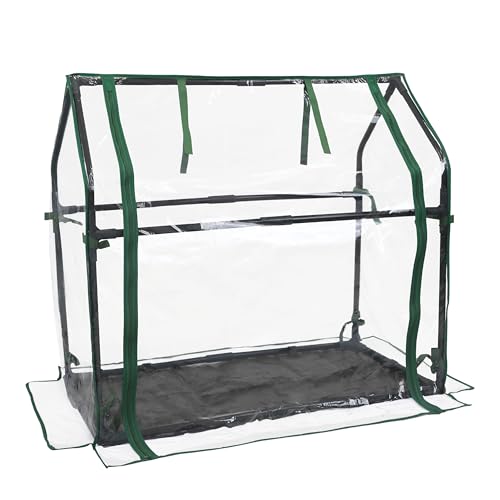
The Gardzen compact greenhouse is designed for tight spaces such as balconies or patios, making it a practical winter shelter for seed starting or overwintering sensitive plants. Its dimensions—36.2 inches long, 18.9 inches wide, and 33.3 inches high—make it a versatile fit for railing planters or small garden beds. A removable waterproof bottom mat protects indoor floors and outdoor surfaces from moisture, while the clear PVC cover ensures strong light transmission for photosynthesis. The unit is weatherproof, offering added insulation and cold protection to extend your growing season. This model prioritizes portability without sacrificing protective performance, ideal for users who need a lightweight, easily stored shelter during off-season months.
Key features to consider for winter use include: portability, weatherproof bottom, clear cover for light, and the ability to place it on or off raised beds. Ideal for seed starting in late winter or early spring, it is a flexible option for renters or gardeners with limited space who still want reliable winter protection for young plants.
Gardzen Mini Greenhouse Indoor With Waterproof Bottom

This Gardzen model expands on the compact concept with a larger footprint suitable for indoor use and extended protection of starts or cuttings. Sized around 36.2″ L x 36.2″ W x 42.5″ H, it offers a broader interior for seedlings, small pots, and tray arrangements while maintaining portability. The removable waterproof bottom helps prevent moisture from seeping onto flooring, which is especially helpful for indoor setups. A clear cover delivers ample light while retaining warmth, enabling earlier germination and overwintering of tender plants in basements, sunrooms, or kitchens. With a slightly taller profile, it’s a good option for those who need more vertical space for seed trays or taller plants during winter months.
Consider its broader width and taller height when planning placement—this greenhouse accommodates more seedling flats and pot heights, making it a natural choice for indoor seed starting or winter propagation projects.
Ohuhu Mini Greenhouse With 4 Tier Shelves

The Ohuhu mini greenhouse emphasizes an organized interior with four-tier shelving, making it ideal for seed starting, germination, and protecting young plants during winter. The transparent thickened PVC cover lets in substantial light while the heavy-duty frame provides stability in outdoor or indoor settings. A robust isolation capacity supports multiple trays or pots, while the zippered roll-up door promotes ventilation and easy access for watering and maintenance. The design’s focus on stability and light transmission makes it a strong candidate for wintering delicate plants, herbs, and small vegetables in sheltered outdoor spaces or sunrooms.
Key winter considerations include stability in windy environments, the ability to hold seed trays and pots, and the balance between light transmission and insulation. The Ohuhu model addresses these with reinforced structure and a practical, tiered interior layout that minimizes clutter and maximizes growing space.
GreatBuddy Portable Mini Greenhouse
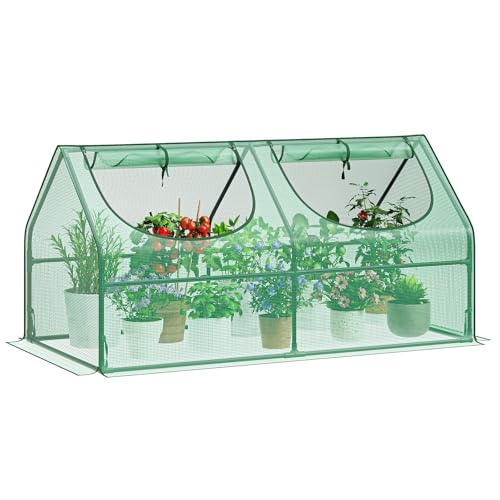
The GreatBuddy 3x3x6 ft greenhouse offers a larger footprint for winter garden planning, with a high-density polyethylene (HDPE) cover that provides waterproof and UV-resistant protection. Its sturdy steel frame and reinforced connectors deliver dependable stability against winter winds and snow loads, while the material helps maintain warmer microclimates for seed trays and small pots. The space is suitable for potatoes, leafy greens, herbs, and other cool-season crops that benefit from a sheltered environment. The design supports roll-up ventilation windows, which help regulate temperature and humidity during fluctuating winter days.
For winter use, evaluate the shelter’s wind resistance, snow load tolerance, and ventilation flexibility. GreatBuddy’s combination of a robust frame and weather-resistant cover helps maintain warmth and moisture balance essential for winter growth, making it a practical option for more ambitious winter projects or extended season crops.
WUKHG 6×4FT Small Greenhouse

The WUKHG model emphasizes durability for outdoor winter conditions with an aluminum frame and polycarbonate panels designed to withstand wind and weather. The 6×4 ft footprint provides substantial space for larger seedlings or a broader selection of cool-season crops while maintaining a relatively compact outdoor footprint. The elevated protection from the polycarbonate panels helps regulate humidity and temperature, reducing stress on plants during cold snaps. Adjustable ventilation windows and a lockable door contribute to a controlled environment, supporting plant health through winter by enabling airflow without exposing plants to harsh drafts.
When evaluating winter-use shelters of this size, consider garage or shed placement for shielding from storms, the ease of climate management, and how the panels manage light diffusion to avoid scorching or shading sensitive plants. The WUKHG model offers robust performance for gardeners who need a larger outdoor greenhouse with winter resilience.
Quictent Portable Mini Cloche Greenhouse

The Quictent mini cloche features an elevated bottom and reinforced steel frame with a transparent PVC cover offering high light transmission. Its 71″ x 36″ x 36″ footprint balances space and manageability, making it suitable for winter use on patios or lawns where more room is needed for seed trays and early transplants. The design includes a removable waterproof PVC top to reduce excess rain and dirt, plus zippered doors for secure access and easy watering. This model emphasizes light control and winter protection, enabling growers to shelter a broader array of crops while maintaining accessibility for maintenance tasks.
Consider Quictent for winter gardeners who want a larger, yet still portable shelter with straightforward setup and dependable weatherproofing. The ability to remove the top temporarily can be advantageous during milder days or when venting is required to prevent overheating during sunny winter days.
Buying Guide: Key Purchase Considerations For Winter Mini Greenhouses
- Size and footprint: Determine available space and whether you need room for seed trays, pots, or larger plantings. Taller models support taller seedlings, while wider shelters maximize tray capacity.
- Durability and materials: Look for sturdy frames (steel or aluminum) and weatherproof PVC covers or polycarbonate panels. UV resistance and wind tolerance help extend life in winter conditions.
- Insulation and climate control: Clear covers provide light and some warmth; waterproof bottoms reduce floor moisture. Consider ventilation options (roll-up doors, vents) to manage humidity and prevent mold.
- Portability and storage: If you need to store the greenhouse during off-season months, prioritize lighter, collapsible designs with compact storage footprints.
- Ease of assembly and maintenance: Favor models with simple setup, durable zippers, and accessible doors for watering, pruning, and transplanting.
- Placement considerations: Outdoor shelters benefit from sheltered placements (near fences or walls) to reduce wind exposure, while indoor options should fit space and wiring for grow lights if needed.
- Security and pest management: Lockable doors and sealed joints help deter pests and deter accidental damage from pets or weather.
- Budget and long-term value: A slightly higher upfront cost for robust frames and reliable covers can translate into longer service life and fewer replacements.
- Maintenance routine: Plan for regular checks on frame joints, cover cleanliness, and mold prevention, especially in damp winter climates.
Choosing the right mini greenhouse for winter hinges on space, climate, and how you plan to use it—seed starting, overwintering, or protecting a mix of herbs and vegetables. The options above balance portability, protection, and practicality, enabling you to maintain plant health and productivity through chilly months.