Discover fragrant flowering trees that thrive in USDA Zone 6 and brighten spaces from patios to front yards. This guide highlights five well-suited choices, explains why each is a strong pick for fragrance, and points out practical limits. Ideal buyers include: new gardeners seeking reliable aroma, homeowners prioritizing pollinator-attracting species, and landscape planners aiming for seasonal interest with minimal upkeep.
Summary table of selected products:
| Product | Best For | Fragrance Type | Key Benefit |
|---|---|---|---|
| Spectacular Blue Moon Wisteria Tree Plant | Avid color lovers and fragrance enthusiasts | Floral, sweet | Long stems with repeated blooms |
| Yellow Jane Magnolia Live Plant | Yellow-flowered focal point lawns | Sweet, citrusy | Vibrant yellow blooms, ornamental tree |
| 2 Common Lilac Trees Live Plants | Classic lilac fragrance in compact form | Classic lilac perfume | Dormant bareroots for spring planting |
| White Japanese Lilac Tree Seeds | Pollinator-friendly, heirloom option | Sweet white lilac | Non-GMO heirloom seeds |
| Cherry Blossom Tree Live Ornamental Tree | Spring color and fragrance in landscapes | Delicate cherry blossom fragrance | Double pink blooms, 6-12 inches tall |
Spectacular Blue Moon Wisteria Tree Plant

Wisteria is prized for cascading flower clusters and a strong, sweet fragrance in spring and early summer. The Blue Moon cultivar is noted for long bloom stems that create dramatic displays. Zone suitability spans 3–9, making it a versatile choice for many Zone 6 landscapes. Best for gardeners who want a statement vine-like tree with fragrance that travels in light breezes. Caution: Wisteria can require sturdy support and regular pruning to maintain shape and manage vigor.
Best for: Gardeners seeking a dramatic focal point with abundant blooms and a memorable aroma.
Why selected: The Blue Moon Wisteria offers repeat blooms and a classic lilac-like fragrance that pairs well with spring greenery. Its hardiness in Zone 6 aligns with typical Northeast and Midwest gardens, providing scent across multiple seasons with proper care.
Possible limitation: Growth can be vigorous and may need trellising or structural support; avoid planting in areas with poor drainage.
Yellow Jane Magnolia Live Plant – 18” Tall

Magnolias deliver lush, fragrant blossoms with a refined, sweet aroma that brightens any garden setting. The Yellow Jane Magnolia cultivar features bright yellow blooms and reaches about 18 inches tall as a starter plant, maturing into an ornamental tree suitable for yards, patios, and borders. Best for homeowners who want a compact tree with standout color and a pleasant flower scent in spring. Caution: Magnolias prefer well-drained soil and may require protection from late spring frosts in colder zones.
Best for: Early-season fragrance with a sunny splash of color in small spaces.
Why selected: The Yellow Jane Magnolia provides noticeable fragrance early in the season and adds bright visual interest with its yellow flowers, making it a strong scent-focused choice for Zone 6 gardens.
Possible limitation: Slower growth and sensitivity to transplant shock; ensure ample sunlight and consistent moisture.
2 Common Lilac Trees Live Plants

Lilacs are quintessential fragrance staples for many gardens. These 1-year-old rooted bushes arrive dormant, ready for spring planting in Zone 6. The classic purple bloom is highly recognizable and offers a strong, honeyed perfume that carries through warm days. Best for: gardeners who want reliable spring fragrance and a traditional landscape planting. Caution: Lilacs prefer full sun and well-drained soil; shade or poor drainage can reduce blooming and fragrance intensity.
Best for: Creating a fragrant border or privacy screen with classic charm.
Why selected: Lilacs are iconic for fragrance and proven performance in Zone 6. The dormant bareroot delivery supports strong root establishment and stable growth in early spring.
Possible limitation: Requires pruning to maintain shape and promote healthy flowering; excessive shade reduces bloom potential.
White Japanese Lilac Tree Seeds

Seed packets of Syringa reticulata offer a heirloom, non-GMO option for gardeners who prefer to start from seed. The Japanese Lilac is known for large panicles of white blossoms and a refined fragrance that enhances pollinator-friendly landscapes. Zone 3–7 suitability aligns with Zone 6 gardens seeking a fragrance-forward tree with year-round interest. Best for: gardeners who enjoy vegetative propagation through seeds and long-term garden planning. Caution: Seed germination can be variable; follow seed-start instructions for best results.
Best for: Seed-to-tree projects with a focus on fragrance and pollinator appeal.
Why selected: This option expands fragrance options with an heirloom, non-GMO seed approach and the potential for a striking white bloom display each spring.
Possible limitation: Germination and establishment take time; plan for a multi-year timeline before flowering.
Cherry Blossom Tree – Double Pink
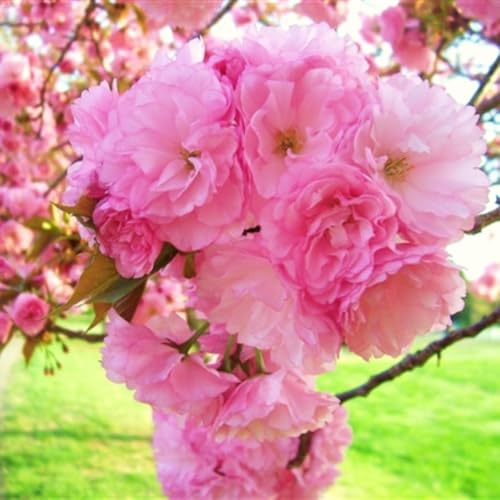
Cherry blossoms deliver iconic spring color and a light, sweet fragrance when trees are in bloom. The Double Pink Cherry Blossom variety grows to 6–12 inches tall in a pot before establishment in the landscape, making it an approachable option for containers or small gardens in Zone 6. Best for: adding delicate, seasonal fragrance and color to patios or entryways. Caution: Cherry trees may require full sun and regular irrigation during dry spells to sustain bloom production.
Best for: Short-term fragrance and striking spring displays in compact spaces.
Why selected: This cherry blossom option complements Zone 6 gardens with fragrance, pastel color, and adaptable placement in pots or beds.
Possible limitation: Seasonal bloom window; plan with other scent accents to maintain fragrance through the growing season.
5 Red Maple Trees in a 5-Pack

Red maples bring seasonal drama through their fall color. While not primarily chosen for fragrance, their widespread use in Zone 6 landscapes makes them relevant as a complementary shade tree in fragrance-focused plantings. Best for: large-property owners seeking robust shade and dynamic autumn foliage. Caution: The trees are deciduous and shed leaves in fall, requiring seasonal maintenance.
Best for: Supporting roles in shade and seasonal color schemes within fragrance-driven beds.
Why selected: Red maples complement sweet-smelling flowering trees by extending garden interest from spring into autumn with vibrant foliage, even though they are not primarily fragrance trees.
Possible limitation: Not a fragrance standout; pair with other scented species for a cohesive sensory garden.
Buying Guide: Fragrant Flowering Trees For Zone 6
What to consider before planting
- Hardiness and climate fit: Choose trees listed as hardy in Zone 6 or adjacent zones to ensure reliable spring blooms and fragrance.
- Sun and soil needs: Most fragrant trees prefer full sun and well-drained soil. Assess soil pH and moisture balance to support flowering intensity.
- Size at maturity: Consider final height and spread to avoid overcrowding and to ensure fragrance reaches intended spaces.
- Flowering season and fragrance strength: Some plants bloom early in spring, others later. If you want a longer scent window, mix early and mid-season bloomers.
- Maintenance requirements: Some species require pruning, staking, or soil amendments. Plan for ongoing care to sustain fragrance and structure.
Planting tips for best fragrance and growth
- Plant in locations with afternoon sun for stronger bloom development and scent diffusion.
- Provide periodic watering during establishment; avoid waterlogged roots which can hinder flowering.
- Mulch to conserve moisture and regulate soil temperature around root zones.
- Prune after flowering to shape plants without sacrificing next season’s blooms.
Pollinators and fragrance
Fragrant flowering trees often attract bees, butterflies, and hummingbirds. If pollinators are a priority, select lilacs, magnolias, and cherry blossoms known for their nectar-rich blooms and pleasant aromas.
Maintenance-friendly choices
Consider trees that establish quickly, tolerate Zone 6 conditions, and require minimal maintenance. Wisteria and lilac varieties can deliver strong fragrance with regular pruning, while magnolias and cherry blossoms offer impactful seasonal scent with moderate care needs.
FAQ
- What is the easiest fragrant tree for Zone 6 beginners?
Lilac varieties are typically straightforward to grow in Zone 6 with good sun and drainage, making them beginner-friendly choices for fragrance.
- Which tree provides fragrance across multiple seasons?
White Japanese Lilac and magnolia varieties offer spring fragrances, while some cherry blossoms and wisteria can provide scent over longer bloom periods with proper pruning and care.
- Can I plant these trees in containers?
Many listed options, such as yellow magnolia starters or cherry blossoms, can do well in large containers when provided with adequate drainage, sunlight, and moisture.
- Are these trees suitable for small gardens?
Yes. Dwarf and juvenile forms, including some lilac and magnolia cultivars, are designed for limited spaces while still producing fragrance.
- Do these trees require special soil conditions?
Most prefer well-drained soil with adequate organic matter. Slightly acidic soil benefits many flowering trees, but always verify species-specific needs.
- When is the best time to plant zone-6 fragrant trees?
Early spring or fall are commonly recommended planting windows for Zone 6 to establish robust root systems before peak growth periods.