If you’re searching for vibrant spring blooms and elegant silhouette, these Japanese cherry trees are ideal choices for American gardens. This guide highlights five well-suited options, including dwarf and larger varieties, to fit different spaces and sun conditions. Whether you want a graceful weeping form, double-pink blossoms, or self-pollinating fruit, these selections help you achieve a dramatic focal point or a fragrant landscape feature. The table below summarizes who each tree is best for and why it stands out.
| Product | Best For | Size / Form | Why It Stands Out |
|---|---|---|---|
| Higan Japanese Pink Weeping Cherry | Decorative, small yards with space for a single focal tree | 1–2 ft shipped dormant; weeping form | Elegant pendulous branches; ideal for winter planting in ground |
| Kwanzan Japanese Flowering Cherry (8–14″) | Cold to moderate climates; spring drama in small spaces | 8–14″ tall; 2.5″ pot | Abundant double pink blossoms; early-season color |
| Rainier Cherry Tree | Ornamental and edible fruit in a compact footprint | 3 inch pot; self-pollinating | Golden-yellow fruit with red blush; spring beauty |
| Shidare Yoshino Japanese Weeping Cherry | Classic white blossoms and graceful silhouette | 1–2 ft shipped dormant; weeping habit | Shimmering white flowers; refined garden accent |
| Kwanzan Japanese Flowering Cherry (24–36″) | Statement tree for medium to large spaces | 24–36″ tall; bareroot | Large double pink blooms; upright vase shape |
Higan Japanese Pink Weeping Cherry Tree
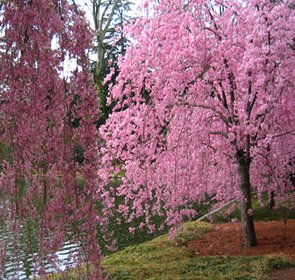
The Higan Japanese Pink Weeping Cherry is a dormant, bare-root option shipped without leaves, making it ideal for transplanting into the ground during winter. Best for small yards or landscape corners, it provides a dramatic weeping form and pink blossoms in the right season. This tree does well in zones 4 through 8 with full to partial sun. The product notes emphasize careful planting timing and bare-root handling, which informs the buyer about seasonal availability and soil preparation needs. The tree is a good choice for gardeners who prefer a striking focal point and a traditional cherry silhouette.
Who it’s best for: homeowners with limited space who want a graceful, cascading look and a winter-planting window. Why selected: the weeping habit combined with winter transplant compatibility makes it stand out in seasonal display.
Caution: Transplanting while dormant is essential; do not attempt to transplant into a container after purchase. California orders ship bare root per state regulations.
Kwanzan Japanese Flowering Cherry Tree (8–14″)
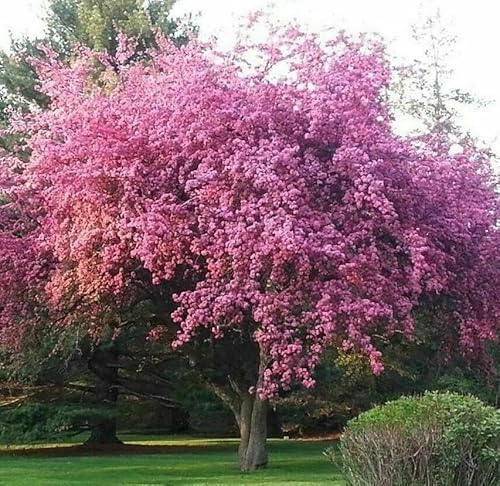
This Kwanzan cherry seedling offers abundant double pink flowers in spring and arrives as a small plant in a 2.5″ pot. It’s best for gardeners in cooler springs who want a high-impact bloom display as a focal point or border plant. The plant may arrive in a dormant state during October–April, which aligns with natural blooming cycles. It’s a versatile option for containers or ground beds, especially when you want a showy cherry with classic pink blooms.
Who it’s best for: gardeners seeking bright, double-pink blossoms in a compact starter plant. Why selected: high flower density and recognizable Kwanzan form lend instant spring drama.
Caution: Plant may be dormant with no leaves if ordered in the cooler months; expect leaf growth to resume in warmer seasons.
25 Japanese Flowering Cherry Blossom Tree Seeds

These cherry blossom seeds offer a Do-It-Yourself route to a pink-flowering tree, suitable for bonsai or larger garden development over time. Seeds require cold stratification for optimal germination, and gardeners should plan for a longer timeline to reach blooming maturity. This option is best for patient planners who enjoy watching a landscape evolve from seed to mature tree.
Who it’s best for: those who want a long-term, hands-on project and a potential bonsai or expansive garden feature. Why selected: seeds enable a customizable growth path and can be shaped as desired through pruning and care.
Caution: Seed propagation requires time and care; germination success varies by climate and seed lot.
Gaea’s Blessing Seeds – Japanese Cherry Blossom Tree Seeds

Gaea’s Blessing seeds offer Prunus serrulata as non-GMO, heirloom, and open-pollinated seeds. They emphasize instruction clarity and annual seed freshness. The option is suited for gardeners seeking heritage varieties and a long-term planting plan to cultivate a pink-and-white canopy that can mature into a dramatic spring display. Mature trees typically offer 20–30 feet of branching in suitable climates.
Who it’s best for: gardeners aiming for heritage varieties and a traditional cherry bloom canopy. Why selected: open-pollinated, heirloom quality with clear cultivation guidance for a multi-year project.
Caution: Seed propagation outcomes vary by climate; ensure suitable growing season and stratification steps are followed.
Rainier Cherry Tree Live Plant

The Rainier cherry is a self-pollinating ornamental and edible fruit tree. It features sweet Rainier cherries with a golden-yellow color and red blush. This variety also showcases spring blossoms that enhance landscape aesthetics and year-round interest. Because it is self-pollinating, a second cherry tree is not required to produce fruit, which is a practical consideration for smaller spaces or urban gardens.
Who it’s best for: homeowners wanting a compact self-pollinating fruit tree with an appealing ornamental profile. Why selected: combines edible fruit potential with ornamental cherry blossoms.
Caution: Fruit production depends on seasonal conditions; flowering can be unpredictable in extreme climates.
Shidare Yoshino Japanese Weeping Cherry Tree

The Shidare Yoshino weeping cherry offers a graceful white bloom and a delicate cascading form. Dormant shipment timing mirrors other weeping varieties, which makes it a welcome choice for winter planting in zones 4–8 with full to partial sun. Its refined silhouette makes it a sophisticated garden accent or a statement in a courtyard landscape.
Who it’s best for: gardeners seeking a classic white-flowered weeping cherry with a refined, elegant habit. Why selected: distinctive cascading branches paired with white blossoms create a serene focal point.
Caution: As with other dormant shipments, plant timing and site conditions are crucial to ensure successful establishment.
Kwanzan Japanese Flowering Cherry Tree (24–36″)
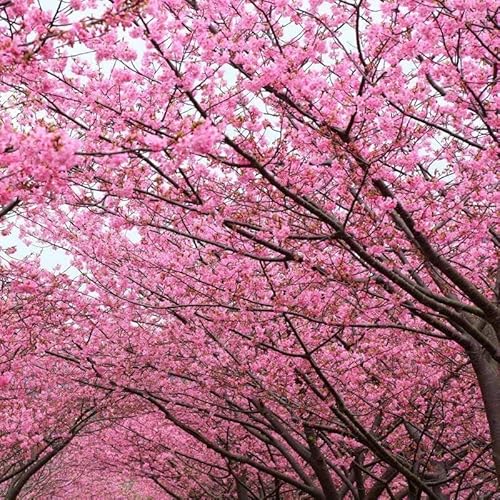
This larger Kwanzan cherry is a robust option for medium-to-large spaces. It arrives bareroot at 24–36 inches tall and features upright, vase-shaped growth with numerous double pink blossoms in spring. Choose this if you want a strong garden focal point or a grand landscape border. The size and shape make it easier to plan around existing structures or shade considerations.
Who it’s best for: homeowners with enough space to accommodate a larger flowering tree and a desire for dramatic spring color. Why selected: mature growth habit and striking double blossoms provide instant garden impact.
Caution: Larger bareroot trees may require more careful establishment and staking during early growth.
Buying Guide: Key Purchase Considerations
- Climate and hardiness: Match tree variety to USDA hardiness zones (4–8 commonly suitable for many cherry types). Consider sun exposure and winter chill requirements.
- Growth habit and space: Weeping forms save horizontal space but need vertical clearance. Upright varieties like Kwanzan provide strong focal points but require more room.
- Bloom timing and color: Double pink blossoms (Kwanzan) create a dramatic spring display; white blossoms (Shidare Yoshino) offer a classic, understated elegance; red-fruited or golden-fruited varieties add fruit and color diversity.
- Container versus in-ground: Smaller seedlings and potted plants can adapt to container life short-term, but ground planting maximizes root growth and tree longevity.
- Transplant timing: Dormant shipments minimize stress; bare-root trees require careful handling and immediate planting in proper soil.
- Pollination and fruiting: Some cherry trees are self-pollinating (Rainier) while others may benefit from cross-pollination; plan accordingly for fruit production and bloom overlap.
- Maintenance: Pruning, mulching, and irrigation influence establishment success and flowering vigor; plan seasonal care routines.
FAQ
- Are these cherry trees suitable for containers? Some smaller varieties can be container-grown for limited spaces, but larger specimens are best planted in the ground for long-term health.
- Do I need more than one tree for fruit? Some varieties are self-pollinating, but fruit production can benefit from cross-pollination with compatible varieties if space allows.
- When is the best time to plant? Dormant shipments are often designed for winter planting; follow the vendor’s guidelines for immediate planting in the ground.
- What care is required after planting? Establishment requires consistent watering, proper soil drainage, mulching, and gradual pruning to shape branching patterns.
- How long before blossoms appear? Bloom timing varies by variety and climate, but spring blossoms typically appear within a growing season after planting if conditions are favorable.
- Are these trees resistant to common cherry diseases? While cherry trees offer ornamental beauty, some varieties may be susceptible to diseases; monitor for leaf scorch, canker, or pests and treat per garden-safe recommendations.