Protection from birds, insects, and small animals is a common concern for home gardeners. Cloth netting provides a breathable barrier that preserves sunlight and airflow while keeping your crops safe. This article highlights five reliable options, summarizes their key features, and offers practical buying guidance to help American gardeners choose the right netting for patios, raised beds, greenshouses, and open gardens.
Summary of Selected Products
| Product | Brand | Size | Mesh Density | Key Benefit |
|---|---|---|---|---|
| SnugNiture Garden Netting | SnugNiture | 10×33 ft | 0.1 mm x 0.1 mm ultra-fine | Efficient barrier against birds, deer, and squirrels |
| Jevrench Ultra Fine Garden Netting (4×25 ft) | Jevrench | 4×25 ft | 0.8 mm x 1 mm | Strong, reusable, versatile coverage |
| Jevrench Ultra Fine Garden Netting (4×10 ft) | Jevrench | 4×10 ft | 0.8 mm x 1 mm | Compact option with solid protection |
| FARAER Garden Netting 10×33 ft | FARAER | 10×33 ft | 0.67 mm x 1 mm | Extra-fine mesh for birds and insects |
| Unves Garden Netting 10×20 ft | Unves | 10×20 ft | 0.8 mm x 1 mm | Lightweight and breathable protection |
SnugNiture Ultra-Fine Garden Netting

The SnugNiture garden net uses a large 10×33 ft footprint with an ultra-fine mesh measuring 0.1 mm by 0.1 mm. This design aims to shield vegetables, fruits, and flowers from birds and pests while allowing water, light, and air to pass through. The net is described as waterproof and sun-proof, crafted from high-quality mesh cloth and PE material, and designed for outdoor durability. Its lightweight, see-through construction makes it easy to lay directly over plants without causing damage.
Jevrench Ultra Fine Garden Netting (4×25 ft)

This Jevrench product provides a large 4×25 ft canopy with an ultra-fine 0.8 mm x 1 mm mesh. It acts as a physical barrier against pests and is suitable for pastures, orchards, and gardens. The net is described as reusable and made from transparent PE material, offering durability to withstand sun exposure. The design emphasizes improved yields by protecting plants while remaining easy to handle and maintain.
Jevrench Ultra Fine Garden Netting (4×10 ft)

This smaller Jevrench option offers a 4×10 ft cover with the same 0.8 mm x 1 mm ultrafine mesh. It’s positioned as a protective barrier for vegetables, fruits, and flowers, with an emphasis on durability and reusability. The net is described as easy to use, providing substantial protection while allowing light, water, and air to reach crops.
FARAER Garden Netting 10×33 ft

FARAER’s extra-fine mesh measures 0.67 mm x 1 mm, designed to guard against birds and small animals while also offering shade from direct sunlight with 30% sunblock. The netting is described as suitable for gardens, pastures, orchards, barns, and even indoor use. It is intended to be lightweight yet sturdy, allowing water and air to pass through to maintain healthy plant growth.
Unves Garden Netting 10×20 ft

Unves offers a 10×20 ft garden net with a durable, water- and sun-proof PE material. The mesh is transparent and breathable, making it suitable for nurseries, raised beds, and orchards. It’s designed to drape easily over crops, securing with clips or weights, so water and sunlight can pass through while pests are kept at bay. Its light weight and ease of use appeal to homeowners managing seasonal garden protection.
YFFSIDMY Garden Netting Ultra Fine 8×10 ft

YFFSIDMY’s 8×10 ft net features an ultra-fine 0.8-1 mm mesh designed to deter birds and small animals such as squirrels and rabbits. The product is marketed as multipurpose, suitable for raised beds, greenhouses, patios, and even as window or door netting. It’s trimmed easily to fit hoops, frames, or arches, and is positioned as a versatile DIY solution for various garden layouts.
Feitore Deer Fence Netting
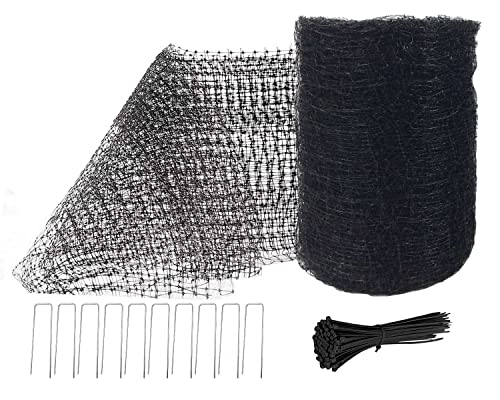
Feitore offers a long deer fence netting option at 7×100 ft with a 3/4 inch square mesh. This product emphasizes durability, being made from polypropylene for reuse across seasons. It’s described as suitable for deterring birds and larger animals while remaining compatible with fruit trees, shrubs, and vegetables. The package includes installation nails and cable ties to aid setup.
Buying Guide: Key Purchase Considerations
- Mesh Size and Coverage: Smaller mesh (0.67–1 mm) provides better protection against small pests, but may restrict airflow if too dense. Larger gardens may benefit from longer rolls (e.g., 10×33 ft) to reduce gaps.
- Durability and Material: PE-based, UV-resistant fabrics resist sun exposure and moisture. Reusability matters for season-after-season use, especially in areas with strong sun or wind.
- Light, Water, and Air Permeability: A netting that remains breathable ensures plants receive adequate sunlight and irrigation. Check that the mesh allows water through to prevent moisture stress.
- Ease of Use: Look for netting that’s lightweight, easy to drape over crops, and quick to secure with clips, weights, or ties. DIY-friendly options help adapt to various garden shapes.
- Application Scope: Consider whether you need protection for raised beds, rows, greenhouses, or entire orchards. Some nets are versatile enough to serve as shade or insect barriers as well.
- Environmental Impact: Choose non-toxic, garden-safe materials that won’t release harmful residues or interfere with pollinators when used correctly.
- Storage and Maintenance: Reusability is aided by nets that resist tearing and don’t unravel after cutting. Proper storage prevents mold and keeps the mesh intact between seasons.
- Budget and Longevity: Higher upfront cost can translate into longer lifespan and broader coverage, reducing replacement frequency over several seasons.
In practice, homeowners should assess their garden size, crop types, local pests, and sun exposure. A 10×33 ft net with ultra-fine mesh can cover many raised beds or a small row layout, while 4×10 ft or 4×25 ft nets offer flexibility for individual plants or smaller plots. For larger landscapes or more robust protection against deer and birds, longer rolls with durable construction may be preferable. The best choice balances protection, airflow, ease of use, and expected durability in your climate.
Using any of these nets correctly involves laying them flat over the target area, securing edges with weights or stakes, and trimming excess material as needed. Avoid overtightening to prevent tearing, and ensure there is no contact between plant stems and the netting that could cause damage as plants grow.