Looking for a reliable garden hose inline dechlorinator to protect plants and optimize irrigation water? This guide highlights five top inline filters that reduce chlorine, chloramine, and other contaminants, helping your hydroponics, traditional gardens, and outdoor living setups. Each option is suited for different needs—from heavy-metal reduction to portable RV use—so you can choose the best match for your watering routine.
Overview of chosen products:
| Product | Best For | Key Benefit | Notes |
|---|---|---|---|
| Envig Catalytic Carbon KDF Inline Garden Hose Filter (1) | Organic gardeners, hydroponics | Chloramine and chlorine removal; heavy metals protection | Includes flexible hose protector |
| AQUA CREST RV Inline Hose Water Filter | RV owners, campers, portable filtration | NSF certified; reduces chlorine, taste, and odor | Premium hose protector; 0.5 GPM flow |
| GreenGro Large Capacity Water Filter | General garden use, organic and traditional gardening | Removes chlorine, chloramines, heavy metals | Easy inline installation |
| Camco GardenPURE Carbon Water Filter | Hydroponics and aeroponics | Carbon filtration for chlorine and chloramine | Improves plant and soil health |
| H&G Lifestyles Inline Water Softener | Outdoor water use; camping | Calcium inhibition; helps prevent limescale | 3/4″ GHT compatible |
Envig Catalytic Carbon KDF Inline Garden Hose Filter (1)

The Envig inline filter uses catalytic carbon and KDF media to reduce chloramine, chlorine, and organic compounds. It’s designed for garden irrigation, hydroponics, microgreens, organic gardening, and pet-safe outdoor use. A key advantage is reducing contaminants without lowering total dissolved solids (TDS). The device connects to standard 3/4″ garden hoses and includes a flexible hose protector for easier and safer connections.
- Best for: Gardeners and hydroponic setups needing chlorine/chloramine reduction and basic heavy-metal filtering.
- Why selected: Strong filtration profile with compatibility for standard hoses and added protection from connection wear.
- Caution: This filter does not lower TDS; for TDS reduction, consider pairing with a dedicated TDS-reducing system.
AQUA CREST RV Inline Hose Water Filter

This NSF-certified inline filter uses KDF and activated carbon to cut chlorine, taste, and odor for RVs, campers, and garden hoses. It’s designed to provide better-tasting water while maintaining a practical flow rate. The included premium hose protector helps prevent breakage and leakage at hose connections. It’s a solid choice when the user value is portability and certified filtration standards.
- Best for: Outdoor enthusiasts and RV users who want reliable filtration on the go.
- Why selected: NSF certification adds credibility for chlorine and taste/odor reduction.
- Caution: Flow rate is modest (0.5 GPM); not ideal for high-volume irrigation setups.
GreenGro Large Capacity Water Filter

GreenGro’s inline filter targets a broad range of contaminants, removing chlorine and chloramines while also addressing heavy metals. It is designed to fit standard 5/8″ garden hoses and aims to improve water quality for organic and traditional gardening alike, helping to sustain plant health and soil vitality.
- Best for: Gardeners seeking an all-around inline solution for chlorine, chloramines, and metals.
- Why selected: Easy integration with common hose sizes and a focus on overall water quality for the garden.
- Caution: Product copy emphasizes broad removal but does not specify exact reduction percentages for all contaminants.
Envig Catalytic Carbon KDF Inline Garden Hose Filter (2)

This is the second Envig option with the same purpose: removing chloramine, chlorine, and organic compounds using catalytic carbon and KDF media. It emphasizes heavy-metal filtration and compatibility with standard garden hoses, plus a flexible hose protector for easier attachment.
- Best for: Gardeners who want robust chlorine/chloramine removal plus heavy-metal protection in a second, possibly spare filter.
- Why selected: Similar filtration profile to the first Envig unit, offering redundancy or alternates for different irrigation zones.
- Caution: Data notes that filtration effectiveness can vary with flow; ensure adequate GPM for your setup.
Camco GardenPURE Carbon Inline Filter

Camco’s inline filter uses carbon filtration to cut chlorine, chloramine, and associated contaminants to promote healthier plant growth. It’s especially relevant for hydroponic and aeroponic systems where clean water directly affects root development. The filter is positioned as a practical option for improving overall plant health through better irrigation water.
- Best for: Hydroponic and aeroponic setups seeking carbon-based filtration for water quality.
- Why selected: Emphasizes soil and plant health benefits by reducing chemical contaminants in irrigation water.
- Caution: Filtration scope includes metals; verify compatibility with your hydroponic reservoir materials.
H&G Lifestyles Inline Water Softener

This inline softener focuses on reducing hardness by using calcium-inhibiting resin, helpful for outdoor hoses, camping, and potable setups. It’s compatible with standard garden hoses and aims to minimize scale buildup in hoses, faucets, and outdoor appliances. This can be a practical choice when hard water is a concern for irrigation systems.
- Best for: Outdoor use where hardness reduction matters, especially in camping or portable water systems.
- Why selected: Helps prevent limescale in hoses and fixtures, extending equipment life in hard-water regions.
- Caution: It does not directly remove chlorine or chloramine; combine with another inline filter if chemical removal is also desired.
Twinkle Star Hose Filter Attachment Line
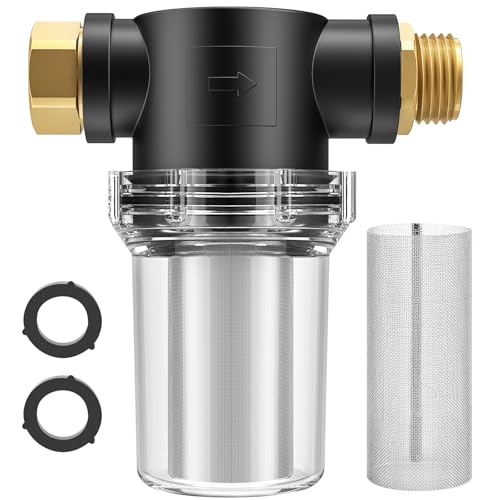
Twinkle Star’s inline filter features 100 mesh and 40 mesh screens and includes two O-rings for a snug seal. It helps filter impurities from household faucets and protects pressure washers by preventing debris from reaching the pump. This is a practical, budget-friendly option for general garden and vehicle washing use.
- Best for: Everyday filtration to protect equipment like pressure washers and garden hoses.
- Why selected: Dual mesh design offers broader particle capture; includes essential O-rings for easy installation.
- Caution: Not a high-capacity filtration solution; should be used for light to moderate filtration needs.
Buying Guide: Key Considerations For Inline Dechlorinator Filters
- Filtration targets: Determine whether you need chlorine, chloramine, heavy metals, taste/odor, or a combination. Some filters excel at chemical removal, others at metals or general particulate filtration.
- Flow rate: Inline filters have varying flow rates. If you irrigate a large garden or run multiple zones, prioritize higher GPM options to avoid bottlenecks.
- Compatibility: Check thread size (3/4″ GHT is standard for hoses) and hose protector accessories to ensure a secure seal and durability in outdoor conditions.
- Certification: NSF/ANSI certifications indicate tested performance for drinking or potable-quality filtration, which can be advantageous for hydroponics and edible crops.
- Installation and maintenance: Look for easy installation, clear replacement part availability, and straightforward maintenance schedules to keep filtration effective over time.
- Impact on TDS: Some filters reduce contaminants without lowering total dissolved solids. If TDS reduction is important, plan a compatible setup.
- Use case alignment: For hydroponics or sensitive plants, prioritize filters proven to reduce specific contaminants prevalent in your water source.
FAQ
Do inline filters remove all chlorine and chloramine?
Most inline filters reduce a substantial portion of chlorine and chloramine, often with media like activated carbon and KDF. Specific performance depends on the model and water conditions.
Can I use these filters with my RV or camping setup?
Yes. Several models, including NSF-certified options, are designed for RVs and portable use while offering chlorine and taste/odor reduction.
Will these filters lower TDS?
Some filters do not reduce TDS. If TDS reduction is required, consider a system designed for that purpose or use a separate TDS management device.
How do I know which filter to choose for hydroponics?
Hydroponic setups typically benefit from filters that remove chlorine, chloramine, and heavy metals to protect roots and beneficial bacteria. Look for carbon/KDF blends with good flow and compatibility.
What maintenance is required?
Follow manufacturer guidelines for replacement intervals, inspect seals regularly, and ensure connections remain watertight to prevent leaks.