Lawn mushroom control combines choosing the right fungicides, organic options, and preventive strategies to keep your yard healthy. This guide highlights reliable products that address common lawn diseases, fungus-related patches, and even grubs that can affect root health. Each product below includes key features to help you compare quickly and decide what fits your lawn’s needs.
Summary of selected products:
| Product | Brand | Area Covered | Type | |
|---|---|---|---|---|
| Scotts DiseaseEx | Scotts | Up to 5,000 sq ft | Fungicide | Fast-acting, broad disease control |
| BioAdvanced Fungus Control | BioAdvanced | Up to 5,000 sq ft | Fungicide | 30-day protection |
| Spectracide Immunox | Spectracide | Up to 5,000 sq ft | Dual-action | Fungicide plus insect control |
| ARBER Organic Fungicide | ARBER | Various (lawn compatible) | Organic | Biological actives, soil-friendly |
| Scotts GrubEx | Scotts | Up to 5,000 sq ft | Grub killer | Kills grubs for months, protects roots |
Scotts DiseaseEx Lawn Fungicide
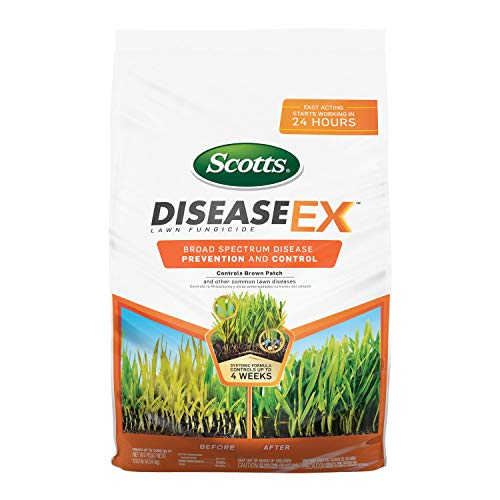
Scotts DiseaseEx is designed to prevent and control a broad spectrum of lawn diseases. It targets 26 listed diseases, including brown patch, red thread, and powdery mildew. The product starts working within 24 hours of application and provides up to four weeks of protection, helping to reduce mushroom-related complications caused by fungal infections. It’s suitable for home lawns and can be used as a preventive measure or at the first sign of disease.
Key considerations include compatibility with common grasses and adherence to application guidelines to avoid stressing turf. For households with pets and children, follow label directions on application timing after mowing and watering to minimize residue exposure. Regular reapplication every month can help maintain protection during peak turf disease cycles.
BioAdvanced Fungus Control For Lawns

BioAdvanced Fungus Control is a ready-to-spray solution that protects lawns for up to 30 days. It provides cure and preventive action against listed lawn diseases and offers broad-spectrum disease control. Its ease of use makes it a practical option for homeowners who want straightforward, effective disease management without complex mixing steps.
When evaluating this product, consider the local climate and typical disease pressure in your region. Consistent coverage and thorough wetting of the leaf surfaces will maximize efficacy. Reapply as needed every 30 days or as directed by the label to sustain protection, particularly after wet stretches or high humidity when fungi tend to thrive.
Spectracide Immunox Fungus Plus Insect Control

Spectracide Immunox combines fungal control with insect suppression in one hose-end concentrate. This dual-action formula helps curb major lawn diseases while also targeting insects that can stress turf. It’s described as rainproof within hours, reducing the chance of wash-off from timely rainfall. Beginning treatment with green-up in spring, and maintaining treatments every two weeks, can help prevent disease buildup and protect newly growing blades.
Practical use considerations include ensuring even spray coverage and avoiding application during temperatures above the label’s recommended range. Since it provides insect control as well, observe any potential impacts on beneficial insects and local pollinator considerations, following label guidelines to minimize collateral effects.
ARBER Organic Fungicide For Plants

ARBER’s Organic Fungicide offers a plant-based, consumer-friendly approach to fungal control. It targets powdery mildew, leaf spot, root rot, and lawn diseases with certified-organic actives, creating a protective barrier on leaves and roots. This option emphasizes soil microbiome balance and is gentle on foliage while still delivering disease suppression. It’s designed for use on lawns, as well as houseplants, trees, and vegetables, making it a versatile choice for mixed landscapes.
Crafted for gentle yet effective performance, this product is well-suited for households prioritizing organic methods. Dilution is straightforward, and repeated treatments can be applied after mowing or during growth surges. Because it relies on biological actives, results can vary with environmental conditions, so follow-up applications may be needed to sustain protection during peak disease periods.
Scotts GrubEx1 Season Long Grub Killer

Grubs can contribute to uneven turf health, which may be associated with mushroom growth and root damage. Scotts GrubEx provides season-long grub control for up to four months and covers up to 5,000 sq ft. By targeting grubs in their early life stages, this product helps protect root systems and reduces subsequent lawn stress that can lead to fungal outbreaks and mushroom proliferation.
Usage notes focus on timing—apply during peak grub activity, following label directions for your lawn type, and water in as required. Regular annual applications can help maintain grub suppression, contributing to stronger roots and improved resilience against fungal threats connected to turf damage.
Buying Guide: Key Purchase Considerations
- Targeted fungus control: Different products address various diseases. Look for labels that specify the diseases common in your region and choose a product with broad coverage if you’re unsure.
- Organic versus synthetic: Organic options like ARBER provide plant-based protection with fewer synthetic residues, but sometimes offer slower results. Synthetic fungicides often deliver rapid, broad-spectrum results but require careful handling.
- Application method: Ready-to-spray products offer convenience, while granules or concentrates may require mixing and equipment. Match the method to your lawn size, equipment, and comfort with spraying.
- Coverage and timing: Check square footage coverage and recommended reapplication intervals. Seasonal disease pressure and weather patterns (humidity, heat, rainfall) influence how often you should treat.
- Safety and environmental impact: Consider pet and child safety, pollinator impact, and residue management. Follow label directions for mowing, watering, and reentry times after treatment.
- Preventive versus curative use: Some products excel as preventive measures, others are best used once symptoms appear. For mushroom-related concerns, preventive fungicides can reduce incidence and patchiness over the growing season.
- Integrated lawn care: Fungicides work best when integrated with proper mowing height, irrigation practices, and turf health. Aeration, proper fertilization, and addressing thatch can reduce disease susceptibility.