Looking for the ideal weeping cherry tree to create a dramatic, cascading display in your yard or garden? This guide identifies five top picks that deliver graceful, drooping branches and abundant blossoms. Each option is chosen for suitability to American climates, ease of care, and distinct visual appeal. Whether you want a compact summer accent or a larger landscape focal point, the selections here fit a range of spaces and sun exposures. The buyer’s notes highlight who each tree is best for, plus practical cautions to prevent transplant or growth issues.
Summary table of selected products:
| Product | Best For | Size/Plant Type | Key Benefit |
|---|---|---|---|
| Higan Japanese Pink Weeping Cherry Tree — Live Plant | Cold-to-mild climates, ornamental focal point | 1–2 ft dormant bare-root live plant | Early-season pink blossoms; strong transplant window in dormancy |
| Shidare Yoshino Japanese Weeping Cherry Tree — Live Plant | Cold-hardy, classic white-pink spring display | 1–2 ft dormant live plant | Iconic cascading form with spring bloom show |
| American Plant Exchange Weeping Yoshino — 5-Gallon | Larger landscape with immediate presence | 5-gallon pot, live ornamental tree | Elegant spring display with fragrance and pollinator appeal |
| DMOH Cherry Blossom Tree 6–12″ — Weeping | Potted, small-space gardening and ornamentals | 6–12″ tall, in pot | Bright spring blooms, compact growth |
| TomorrowSeeds Japanese Cherry Blossom Seeds | Low-profile, pollinator-friendly landscape planning | Seeds for growing cherry blossoms | Year-over-year bloom potential and biodiversity |
Higan Japanese Pink Weeping Cherry Tree
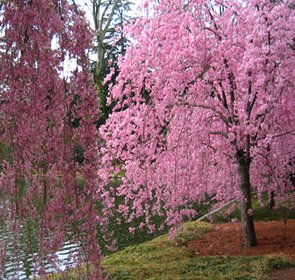
This live plant is best suited for gardeners who want a true dormancy transplant window. It ships as a 1 to 2-foot tall plant and is described as deciduous, meaning it will be leafless in winter. It thrives in USDA zones 4–8 with full to part sun. The tree is ideal for those who prefer a pink-flowering spectacle in early spring and are comfortable with bare-root shipments in some regions. A caution: avoid transplanting into a new container; plant directly into prepared ground during dormancy to reduce shock.
Best for: Home landscape enthusiasts in cool to temperate climates seeking a dramatic pink bloom display in spring and a clear, cascading silhouette.
Weeping Cherry Tree – 6-12″ Tall

This option is best for gardeners seeking a compact weeping cherry with a simple pot-to-garden transition. The plant arrives as a 6–12″ tall seedling in a 3″ pot, delivering a manageable starter canopy while still offering a visually striking cascading form. It is suitable for outdoor spaces, borders, or focal beds, with the promise of early-spring blossoms. Caution: with a small pot, roots may need careful edging as growth continues to avoid pot-bound conditions.
Best for: Small gardens or container-to-ground transitions where a graceful weeping habit and spring blooms are desired without a large initial footprint.
Shidare Yoshino Japanese Weeping Cherry Tree

This live plant, also shipped without leaves in winter, emphasizes the classic elegant weeping habit. It is suited for zones 4–8, enjoying full to part sun. The 1–2 foot tall plant is a strong candidate for an established border or entryway focal point, offering a pristine white bloom display in spring. A potential limitation: bare-root shipments may require careful acclimation upon planting in warm climates outside recommended zones.
Best for: Gardeners who want a time-tested Yoshino look with white blossoms and a distinctive drooping silhouette in temperate regions.
2 Weeping Cherry Blossom Trees (6-12 in)

This listing provides two small, 6–12 inch live cherry blossoms that are ready for outdoor planting, ideal for creating a small orchard-like display or a paired focal point in a garden bed. The product emphasizes ease of transplanting into garden soil or outdoor containers and showcases a profusion of blossoms in spring. Best for budget-conscious buyers seeking multiple trees for seasonal impact. A limitation: small initial size means slower canopy development compared with larger stock.
Best for: Budget-minded buyers who want to establish a paired or linear display with reliable spring color and ongoing ornamental value.
Cherry Blossom Tree — Weeping 6–12″ In Pot

This potted weeping cherry offers a spring-flowering focal point with pink to white blooms. It remains dormant in winter, which aligns with growers who plant after frost or in early spring. The plant is described as ideal for gardens and decorative landscapes and thrives in full sun. A practical note: ensure adequate root space and avoid overwatering during establishment.
Best for: Home landscapes seeking a tidy, spring-color accent with a compact growth habit and straightforward care.”
TomorrowSeeds Japanese Cherry Blossom Seeds

These seeds offer an alternative path to a cherry blossom display, suitable for planners who want year-round garden planning. The description highlights that blossoms create a focal point and attract pollinators, supporting biodiversity in the landscape. This option is better for patient buyers who enjoy propagating and establishing a canopy over several seasons. Caution: seed germination rates vary and success relies on suitable climate and soil conditions.
Best for: Gardeners who prefer to grow their own cherry blossoms from seed and value pollinator-friendly landscapes.
Buying Guide
Key considerations help buyers choose the right weeping cherry for their space and climate. Consider canopy size, mature height, and growth habit to ensure it fits existing beds or containers. Rooting method—bare-root versus potted—affects transplant timing and establishment. Snow and frost risk, hardiness zones, and sun exposure influence bloom reliability and leafing patterns. For small spaces, select compact cultivars or smaller stock; for larger estates, opt for taller, cascading forms that provide a dramatic focal point. Location proximity to structures, sidewalks, and underground utilities should guide planting alignment.
What size should I choose for a small garden?
For tight spaces, select seedlings or potted plants in the 6–12 inch range or a compact cultivar that maintains a graceful drooping habit without overpowering the yard. Ensure adequate root space and plan for eventual canopy expansion when choosing container-to-ground transitions.
Do I need to transplant in winter?
Transplant during the tree’s dormancy window for better establishment. Bare-root shipments are common in winter for some varieties, particularly those advertised as dormant. Avoid transplanting into a new container; plant directly in ground if possible, and provide consistent moisture after planting.
Which varieties attract pollinators?
Cherry blossoms attract bees and butterflies during bloom. Trees described as profuse bloomers with white or pink flowers typically offer good pollinator opportunities, contributing to garden biodiversity and plant health.
Are these trees suitable for containers?
Some smaller varieties or trained standards can be container-grown short-term, but many weeping cherry trees perform best in ground planting with sufficient root space. If grown in containers, monitor drainage, avoid root binding, and select a cultivar known for container suitability.
What maintenance is expected after planting?
Prune lightly after flowering to maintain shape and remove any weak or crossing branches. Apply mulch to retain moisture and regulate soil temperature. Water deeply during new root establishment, and monitor for signs of stress after transplanting, especially in extreme heat or drought.
FAQ
- Are weeping cherry trees deer resistant? Some varieties may be browsed by deer; consider protective measures if deer pressure is high in your area.
- What zones are most suitable? Most selections here are listed for zones 4–8, but verify your local microclimate and winter temperatures to ensure successful establishment.
- How long does it take to bloom after planting? Blossoms typically appear in the spring following successful establishment, with some varieties blooming sooner if planted in favorable conditions.
- Can I plant multiple varieties together? Yes, planting multiple weeping cherry varieties creates a layered display, but ensure each plant has enough space to grow and access to sun.
- What is the best sun exposure? Full sun to partial sun promotes the most robust blooming and overall tree health.
- How do I avoid transplant shock? Transplant during dormancy, trim damaged roots, and water consistently while the tree establishes roots in the new location.