Finding an upright Japanese maple with intense red foliage is ideal for focal points, narrow spaces, or entryways. This guide highlights five red upright maples that are well-suited for American gardens, with buyer-friendly notes on size, shipping considerations, and seasonal color. The top picks target buyers who want vertical structure, vivid color, and balanced growth for patios, yards, or containers. The following quick table helps compare key traits.
| Product | Growth Habit | Notable Red Foliage | Best For | Shipping Note |
|---|---|---|---|---|
| Fireglow Upright Red Japanese Maple | Upright shrub/tree | Deep red throughout summer | Narrow spaces, front yards | Grow bag shipped |
| Twombly’s Red Sentinel Japanese Maple | Upright, pillar/columnar | Deep red foliage all season | Tight spaces, accent pillar | Ships in 2 gal pot |
| Bloodgood Japanese Maple | Upright tree form | Deep red spring to fall | Landscape focal point, large pots | 2-year live tree available |
| Red Dragon Japanese Maple | Upright, spreading but compact | Crimson/red tones across seasons | Small yards or patios | Typically nursery stock |
| Japanese Red Maple Compact | Compact, upright to spreading | Deep red or burgundy leaves | Containers, small gardens | Limited shipping areas |
Note: The table reflects common traits described in product listings. Actual growth can vary with climate, soil, and care. When choosing, consider space, sunlight, and whether you prefer a true upright pillar or a slightly broader canopy for balance.
Fireglow Upright Red Japanese Maple

The Fireglow cultivar forms an upright tree or shrub with slender dark red shoots. It is described as reaching 6-10 feet in 10 years and 12-15 feet overall. Leaves are highlighted by a deep red color that remains intense through the summer. This plant ships in a fabric grow bag rather than a plastic pot, which can influence potting and transplant timing. Best for buyers seeking a tall, narrow focal tree for a sunny border or small lawn—where vertical presence is preferred over a broad canopy.
Best for: Gardeners needing a upright, dramatic display in a slender footprint. Consider this if you want long-season red color with reliable vertical growth. Caution: fabric grow bag packaging may require early transplanting or careful root acclimation when moving to final soil.
Brighter Blooms Red Dragon Japanese Maple

The Red Dragon Japanese Maple is admired for its brilliant crimson and scarlet foliage across seasons. It is described as a statement tree with strong color, suitable for gardens and patios. The listing emphasizes suitability for gardeners at varying levels, offering versatile use as a focal tree or mixed with shrubs. Best for: homeowners who want a striking color accent with a strong, low-maintenance presence. Better for medium-sized landscapes than ultra-tight spaces. Caution: some listings note audience targeting and regional availability; verify shipping to your area before purchase.
Twombly’s Red Sentinel Japanese Maple
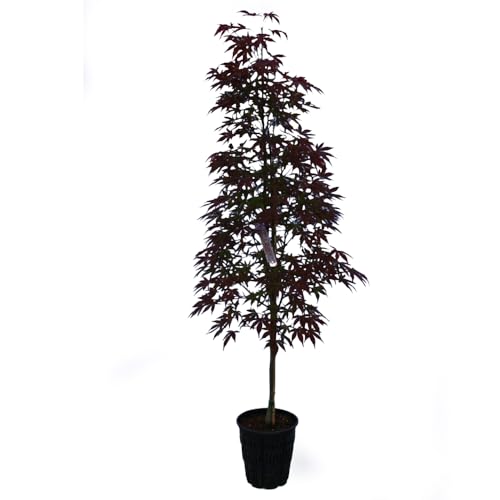
The Red Sentinel offers an upright, narrow habit ideal for limited spaces. It features deep red foliage across seasons and a pillar-like form that helps it fit along walkways, courtyards, or tight borders. Best for: gardeners who want a tall, slender maple with consistent color. Caution: availability varies by region; confirm shipping to your state because some listings specify restricted areas.
Red Dragon Weeping Japanese Maple

The Red Dragon Weeping Maple is a compact, slow-growing form with an upright-pendulous mound that matures to about 4-6 feet tall. Leaves emerge bright cherry red in spring, transition to burgundy through summer, and shift to crimson in fall. This makes it a strong focal plant for smaller gardens, patios, or containers. Best for: small spaces or containers where a dramatic red profile is desired without a tall, wide canopy. Limitation: mature height may be shorter than other upright maples, which could affect landscape balance over time.
Japanese Red Maple Compact

The Japanese Red Maple Compact is described as a compact, often spreading form with deep red leaves, making it well-suited for smaller gardens or focal points. Best for: container plantings or tight spaces where a neat, controlled red-leaf specimen is preferred. Caution: agricultural laws restrict shipping to certain states, so verify eligibility before ordering.
Buying Guide
Key purchase considerations help match the right upright red maple to your site:
- Space and form: Decide whether you want a true upright pillar, a narrow column, or a compact upright that stays closer to the ground. Your site’s width and height limits will guide the choice.
- Sun and soil: Most maples prefer partial sun to full sun with well-drained soil. Some varieties tolerate shade better, but red foliage tends to pop with more sun exposure.
- Color stability: Red hues vary with temperatures and seasons. Consider whether you want year-round red tones or dramatic spring to fall color shifts.
- Shipping and planting: Some listings ship in fabric bags or nursery pots. If you plan to transplant, factor in root acclimation and pot removal steps. Check state shipping restrictions for some cultivars.
- Size expectations: Compare mature height and spread. Upright cultivars can reach substantial heights over a decade, so plan for eventual canopy size and root space.
- Maintenance: Look for varieties labeled as low-maintenance or requiring minimal pruning to maintain a desired silhouette.
Frequently Asked Questions
- What is the most upright red maple for tight spaces?
- Can I ship any of these maples to my state?
- Do red maples hold their color in hot climates?
- What soil conditions do red maples prefer?
- Are these maples suitable for container gardening?
- How quickly do upright red maples grow?
Direct answers to these questions are typically found in product descriptions or seller policies. For example, many upright maples perform best in well-drained soil with adequate sun, and some cultivars may have shipping restrictions to certain states due to agricultural laws. Container suitability varies by cultivar and root system, but several listed options adapt well to large pots with proper root care.