Answering the search for the strongest lawn mower belts, this guide highlights top options that stand up to demanding deck tasks. The selections below are best for riding mowers and lawn tractors with 42-inch decks or similar drive systems. Each option targets buyers seeking durability, reliable fits, and clear compatibility notes. The short summary table after the intro helps you compare core specs at a glance.
| Product | |||
|---|---|---|---|
| 144959 Deck Belt – 1/2″ x 95″ | 1/2 inch | 95 inch | Craftsman, Husqvarna, Poulan riding mowers |
| 144959 Craftsman Deck Belt (Mannial) | 1/2 inch | 95 inch | 43–42 inch deck riding mowers |
| John Deere GX20072 Deck Drive Belt | 0.5 inch | 104 inch | John Deere 100 series and select lawn tractors |
| 42 Inch John Deere GX20072 Replacement | 0.5 inch | 104 inch | John Deere 42″ deck mowers |
| UDC GX24154 Drive Belt (Aramid) | 0.5 inch | 98.1 inch | John Deere D105/E100 100 series tractors |
144959 Deck Belt (1/2″ x 95″) Fit For 42″ Decks
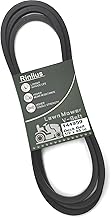
The 144959 deck belt is a high-quality aftermarket replacement designed for multiple 42-inch deck riding mowers. It notes compatibility with Craftsman, Husqvarna, and AYP models and includes variants such as 138255 and 532144959. This belt’s 1/2-inch width and 95-inch length make it a straightforward swap for many common deck drive systems. It’s best for buyers seeking a direct OEM-aligned replacement that supports a wide range of brand configurations.
Best for: Riders needing a direct, broad-compatible replacement for 42-inch decks on Craftsman, Husqvarna, and Poulan units. This belt is chosen for its broad OEM alignment and straightforward install for common 95-inch deck drives.
Caution: Ensure your exact model number aligns with 144959 or 532144959 variations, as slight configuration differences can affect fitment.
144959 Craftsman Deck Belt (Mannial Store)

This Mannial Deck Belt is a direct replacement built to fit a broad list of Craftsman LT/YT-series mowers and other brands with 42-inch decks. The manufacturer lists compatibility with numerous Craftsman and John Deere-like model numbers, highlighting its versatility as a best-for option in mixed-brand fleets. The belt measures 1/2 inch by 95 inches, and the listing notes that model compatibility should be verified per unit configuration.
Best for: Buyers who operate a mixed-brand fleet or want a single, aftermarket option to cover many 42-inch deck models. It’s particularly suitable for LT1000, LT2000, LT3000 families and related units.
Limitation: Because the model lists are extensive, double-check your exact mower model to ensure perfect fit before purchase.
John Deere GX20072 Original Equipment Belt

John Deere’s original equipment GX20072 belt is designed for a wide range of John Deere tractors and lawn tractors, including many 100 and 200 series models. The GX20072 is a specialty-for option for John Deere owners who want genuine OEM replacement with compatibility across multiple engine and deck configurations. The belt’s listed use includes numerous Deere tractor models, making it a strong pick for Deere-heavy fleets.
Best for: John Deere owners aiming for OEM-grade reliability and a belt that aligns with many Deere 100 series tractors and 42-inch mowers. This is a solid choice when exact OEM parts are preferred for performance consistency.
Limitation: The belt is specifically framed for Deere models; owners of non-Deere equipment should verify cross-compatibility to avoid fitment issues.
42 Inch Belt Replacement For John Deere GX20072

This 42-inch belt provides an OEM-replacement option specifically described as replacing GX20072 with a 104-inch length and 0.5-inch width. It includes details about materials and construction, noting aramid and neoprene components for higher heat and abrasion resistance. It’s positioned as a strong alternative for John Deere mowers that require GX20072 compatibility and a robust drive belt for 42-inch decks.
Best for: Deere owners who want a longer, strong belt version that adheres to the 104-inch length specification for certain 42-inch deck configurations. It’s a better choice if your deck drive pathway requires the 104-inch length variant.
Caution: The data notes material advantages; however, verify exact model compatibility since belt length and deck path can vary by configuration.
UDC GX24154 Drive Belt For John Deere D105/E100
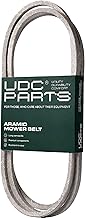
The UDC GX24154 is an aramid-cord drive belt replacement tailored for John Deere D105 and E100 series tractors. The belt measures 0.5 inches in width and 98.1 inches in length, aligning with many 100-series tractors that require a robust, heat-resistant belt for consistent drive. It is characterized as a direct replacement for the GX24154 OEM part, emphasizing durability under frequent use.
Best for: Buyers with John Deere 100-series tractors needing a sturdy, aramid-cord drive belt to handle regular mowing workloads. This option is suitable when OEM-equivalent performance is the goal for reliability.
Limitation: Confirm exact length and model compatibility—some Deere 100-series configurations may require a slightly different belt length or width.
Buying Guide: Choosing The Best Strongest Lawn Mower Belts
- What deck width does your mower require? Most belts for 42-inch decks fit a broad range of riders, but always verify length and width to avoid drive misalignment.
- OEM vs aftermarket: OEM belts guarantee model-specific compatibility, while aftermarket options can offer broader compatibility and cost savings. Consider your preference for authenticity versus flexibility.
- Material considerations: Belts with aramid cords tend to resist heat and wear better than standard rubber blends. If you mow in hot weather or for long durations, aramid-reinforced belts can offer longer service life.
- Length accuracy: A belt’s exact length is critical for proper tension and deck drive function. Slight deviations can cause slippage or excess wear. Double-check your mower’s model and the belt part numbers listed in the product description.
- Brand alignment: If you own a Deere, Craftsman, Husqvarna, Poulan, or other specific brand, choosing a belt that lists compatibility with that brand reduces the risk of fit issues.
- Installation considerations: Some aftermarket belts include detailed fit notes or require adjusting pulleys or tensioners. Have common hand tools on hand and follow installation instructions carefully.
Comparative Pickup: Which Belt To Choose?
- Best for broad compatibility: 144959 Deck Belt (the generic 1/2″ x 95″ replacement) offers wide OEM alignment across many brands with 42″ decks. Choose this if you operate multiple brands.
- Best for Deere-dedicated fleets: GX20072 and 42-inch Deere replacements are tailored to John Deere models, providing optimal fit and performance for Deere tractors.
- Best for aramid durability: The UDC GX24154 option emphasizes aramid cord with a 98.1″ length for Deere 100-series tractors and related models, suitable for frequent mowing.
FAQs
- Are aftermarket belts as durable as OEM belts for riding moppers?
- How do I verify belt compatibility with my mower?
- What signs indicate a belt replacement is needed?
- Is it okay to mix brands when replacing a belt?
- Do longer belts provide better performance?
- Should I replace the belt pulleys or deck components at the same time?
Aftermarket belts can offer comparable durability when they match the OEM part number, width, and length. Check for aramid or reinforced constructions for longer wear.
Match the belt width and length to your mower’s deck and verify the OEM part numbers listed by the manufacturer for your exact model.
Common signs include belt wear, cracking, glazing, or slippage under load. If the belt doesn’t hold tension or the mower deck stalls, replacement is advised.
Mixed-brand belts can work in some cases, but it’s best to align with the mower’s brand compatibility to avoid tensioning or alignment issues.
Not necessarily. Belt length must fit your deck routing and pulleys. An overly long belt may slip, while a belt too short can cause tension problems. Always use the length specified for your model.
If pulleys or deck components show wear, replacing them alongside the belt can prevent premature belt failure and ensure smoother operation.