Creating an effective privacy screen with tall, slender trees can dramatically improve curb appeal while reducing wind, noise, and unwanted sightlines. The following selections are well-suited for narrow spaces, vertical emphasis, and compact root zones, making them ideal for urban lots, driveways, and property line screens. Each option offers evergreen structure, dense foliage, and reliable growth to maintain privacy year-round. Below is a curated look at five suitable choices, highlighting growth traits, sun and soil tolerances, and maintenance considerations.
| Product | Best For | Ideal Climate | Growth Habit |
|---|---|---|---|
| Juniper Burkii | Dense evergreen screen | All but overly wet | Conical, columnar |
| Carolina Sapphire | Fast privacy windbreak | Full sun | Upright, compact |
| Murray Cypress | Rapid tall privacy | Moderate to warm | Fluffy, tall |
| Italian Cypress | Formal vertical screen | Full sun | Very narrow, upright |
| Hybrid Willow | Fast, flexible privacy | Moist to well-drained | Broad, dense |
Juniper Burkii: Eastern Red Cedar Screening

Juniper Burkii (Juniperus virginiana) is a native evergreen conifer known for its adaptable growth and drought tolerance, making it a reliable choice for screening in diverse soils and climate zones. This cultivar tends to develop a broadly conical to columnar form with dense, horizontal branching, producing a solid visual barrier as it matures. It tolerates a wide range of soils—from swampy to dry rocky glades—and prefers moist, well-drained conditions without remaining constantly wet. The species is renowned for its aromatic heartwood and the ability to thrive in sun-drenched locations. When used as a privacy screen, Burkii provides year-round greenery and a classic cedar appearance that blends well with native and ornamental plantings. Growth height typically reaches 30-65 feet, with a sturdy trunk and fluted base that adds to its structural presence in landscapes.
Key considerations: good drought resistance among eastern U.S. conifers, adaptable to soil moisture conditions, and strong evergreen density. When designing a screen, consider spacing to accommodate eventual canopy width and potential root spread, ensuring access for maintenance and pruning. This selection suits longer sightlines where a tall, steady green feature is desired without sacrificing soil resilience or wildlife-friendly attributes.
Carolina Sapphire: Fast-Growing Privacy Screen

Carolina Sapphire is a Cupressus arizonica cultivar prized for rapid growth and screening performance. This evergreen option excels as a privacy screen, windbreak, and tall background plantings in both residential and commercial landscapes. It tolerates a range of soil types and conditions and thrives in full sun with relatively low maintenance once established. The dark, blue-green needles add a refined, uniform appearance that remains dense and attractive through the seasons. Carolina Sapphire is especially effective for tight spaces where vertical impact is needed without a broad footprint.
Considerations: consistently full sun and well-drained soil support quickest establishment and density. While tolerant of various soils, ensuring good drainage helps prevent root issues in wetter seasons. Pruning can refine the screen height and maintain an orderly, formal look, ideal for property lines or driveways where a tall, slender silhouette is preferred but with a touch of ornamental texture.
Murray Cypress: Rapid Privacy Hedge
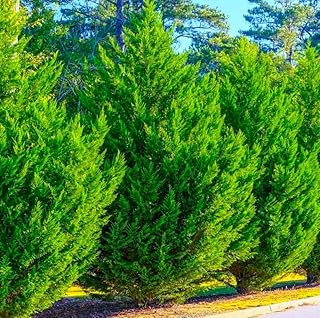
This batch of Murray Cypress trees is marketed for quick privacy solutions due to extremely fast growth rates. Each 6-12 inch plant can rapidly develop into a dense hedge, reaching several feet in height within a few seasons. The foliage is feathery and evergreen, delivering a refined, soft texture that enhances privacy without a sharp, formal look. The timing of growth makes these suitable for new landscapes needing immediate screening from neighbors, traffic, or unsightly views. Prospective buyers should anticipate regular pruning to manage height and maintain a balanced appearance as the screen matures.
Considerations: the stated growth pace supports swift landscape transformation but requires consistent maintenance to preserve density and form. Ensure proper spacing to minimize competition and to prevent crowding as the screen thickens. While highly effective for privacy, planners should consider local climate and mature height to prevent interference with overhead structures or utilities.
Italian Cypress: Narrow, Upright Privacy

Italian Cypress (Cupressus sempervirens) is a classic choice for formal, vertical screening with a distinctly slender profile. Its narrow, upright growth makes it ideal for tight spaces along driveways, fences, or property borders where a clean, architectural line is desired. The evergreen foliage provides consistent color and year-round privacy, with a growth habit that emphasizes height over width. Italian Cypress can contribute to a structured landscape aesthetic, especially when paired with low groundcover or contrasting shrubs to soften the base. Maintenance typically involves periodic pruning to retain the refined silhouette and to prevent overgrowth in restricted spaces.
Considerations: best suited for full sun and well-drained soil; extremely narrow habit means spacing should be planned to avoid crowding and to allow air circulation. In zones with strong winds, staking or windbreak-aware positioning can help establish stronger trunks and reduce leaf breakage in young trees. This option is ideal for users seeking a stately, tall screen with a formal character.
Hybrid Willow: Fast Privacy Hedge

The Hybrid Willow, marketed for fast privacy hedging and wind blocking, is valued for its exceptionally rapid growth—claims of up to 12 feet per year when conditions suit. These Austree hybrids feature slender, green-tipped leaves and a dense branching habit that can be trained into a tall, impenetrable screen. They are presented as low-maintenance options with robust root systems and a strong ability to filter noise and reduce erosion. While not as formal as Italian Cypress, the Hybrid Willow offers flexibility and height quickly, making it a strong short-to-mid-term privacy solution for larger properties or new plantings.
Considerations: rapid growth requires consistent pruning to maintain density and to manage overall shape. While the quick screening advantage is appealing, plan for eventual height and root spread to avoid interference with structures or utilities. They can be pruned to maintain a taller, narrower profile if space is at a premium, or left to form a broader hedge as the landscape matures.
Buying Guide: Tall, Thin Trees For Screening
- Screening goals: Define the height, density, and tonal effect you want. Do you prefer a formal, architectural line or a softer, feathery texture?
- Site conditions: Assess sun exposure, soil type, drainage, and groundwater. Narrow-growing trees often perform best in full sun with well-drained soil, though some species tolerate moisture.
- Growth rate and maintenance: Fast-growing options deliver quick privacy but may require more pruning and shaping. Consider long-term maintenance costs and labor when selecting a species.
- Species characteristics: Evergreen versus deciduous aesthetics, fragrance, and wildlife implications. Native species can support local ecosystems and resilience.
- Climate compatibility: Choose trees suited to your USDA hardiness zone, typical rainfall, and temperature extremes to maximize success.
- Root behavior and space: For narrow root zones, ensure root spacing and planting depth suit the site to prevent infrastructure conflicts.
- Watering and irrigation: Newly planted screens need consistent moisture until established. Mulching helps conserve moisture and regulate soil temperature.
- Pruning and shape: Decide on mowing-height pruning or formal topiaries. Regular trimming helps maintain height, density, and a tidy appearance.
- Longevity and investment: While all the listed trees offer privacy, consider long-term growth and potential replacement considerations when budgeting.
- Maintenance plan: Create a seasonal schedule for feeding, pruning, pest checks, and irrigation adjustments to sustain visually appealing screens throughout the year.
In selecting a tall, thin screen, balance immediate privacy with long-term landscape goals. Native options provide ecological alignment and resilience, while ornamental cultivars offer distinctive silhouettes and formal lines. The five selections above cover a range of aesthetics and site needs to help American homeowners achieve a reliable, attractive privacy screen that fits even narrow urban lots.