Best Self-Watering Planters for Hydroponic Gardens
Post published:June 21, 2026
Self-watering planters help busy growers maintain consistent moisture without daily watering. This guide highlights five versatile options ideal for indoor hydroponic-style setups, herbs, succulents, tropicals, and mini vegetables. Each pick targets a different buyer—whether you need compact modular pots, a transparent reservoir, or a system with water level indicators. Use the quick comparison table to decide which serves your space and plant needs best.
Product
Yarlung 6 Pack Self Watering Planter
5″ pots, inner reservoir
Busy plant parents, herbs and small houseplants
Water level indicator
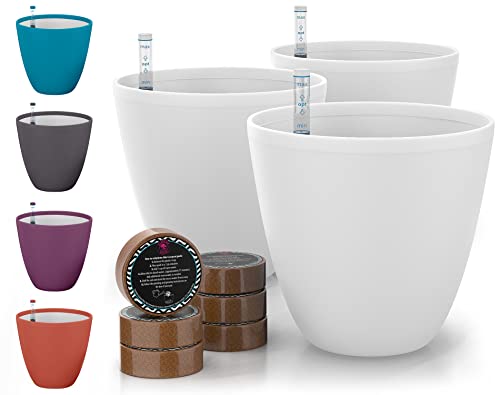
GARDENIX DECOR Self Watering Pots
3-Pack, inner leg design
Those who want durable, color-fast pots
Water level indicator with growth measurement dial
T4U 4 Inch Self Watering Pot
4″ pots, reservoir + rope
Beginners and travelers
Clear water level and 7–10 day hydration
LAZUSAM 4 Inch Self Watering Pot
4″ clear glass reservoir with plant pot
Semi-hydro or clear-view setups
Visible water level
Barafat 10Pcs Clear Self Watering Pots
10-pack, bare root friendly
Semi-hydro and bare-root lovers
Deep reservoir and high drainage holes
Across these picks, consider your space, plant type, and whether you prefer visible water levels, inner basins, or decorative exterior pots. The following sections detail each product’s strengths, who it’s best for, and any limitations to watch for when shopping.
Best for: Busy urban gardeners who want a compact, consistent watering system for herbs, succulents, and small flowers. The set includes six 5-inch outer pots with inner reservoirs and a water level indicator to show when to refill. The design elevates plants above the water to reduce root rot risk. Consider this if you value clear water cues and a ready-to-use pot family.
Limitation: Lightweight plastic; avoid heavy, top-heavy plants in windy or high-traffic spaces.
Best for: Set-and-forget indoor herb and flower displays. The 12-pack includes inner basins for each pot, enabling a bottom reservoir system that stores excess water. This option suits households that want a larger quantity of self-watering pots without buying individually.
Limitation: Inner basins can complicate cleaning; plan for occasional maintenance to prevent clogs.
Best for: Plant parents who want durable, color-fast planters with a built-in water level indicator and a growth-tracking dial. The inner legs lift plants from water, reducing root exposure to stagnant moisture and promoting healthier roots. Select this if you appreciate a modern look and a practical hydration gauge.
Limitation: Colors are injected into the material, so very intense sunlight may eventually fade some colors more than others.
Best for: Beginners and travelers who want predictable hydration without daily checks. The cotton rope wicks water from a reservoir, supporting 7–10 days of hydration. The clear indicator helps monitor moisture and can adapt to African violets, herbs, and small flowering plants.
Limitation: Narrower diameter may limit root growth for larger plants; best for compact specimens.
Best for: Surface watering of larger indoor plants when you’re away. The glass globes provide a continuous water supply, reducing maintenance for vacation periods and busy schedules. Ideal for decorative indoor greenery that benefits from consistent hydration.
Limitation: Glass globes can be delicate; handle with care and ensure plant placement avoids accidental knocks.
Best for: Bare-root or semi-hydroponic setups that require a deep reservoir and multiple drainage options. The clear pots help observe soil moisture and root health while the deep reservoir supports longer intervals between waterings.
Limitation: Clear pots may show soil discoloration over time; regular cleaning helps maintain appearance.
Buying Guide: Key Considerations
Watering cadence: Choose a reservoir depth and drainage design that matches how often you want to refill or monitor moisture.
Plant type compatibility: Compact herbs and succulents work well with 4–5 inch pots; larger tropicals may need bigger options.
Indicator features: Water level indicators help prevent under- or overwatering; some models include growth measurements for tracking progress.
Material and durability: Polypropylene plastics are common; fiberglass or glass options add elegance but require careful handling.
Maintenance: Some inner basins are easy to clean, others may require more care to prevent algae or residue buildup.
Aesthetics: If visible decor matters, consider color, transparency, and overall design to match your space.
Frequently Asked Questions
What is a self-watering planter? A planter that uses a reservoir to provide moisture to plant roots, often via wicking ropes or an inner chamber.
Who should use self-watering planters? Busy plant parents, travelers, beginners, and anyone seeking consistent moisture without daily watering.
Can all plants be used with these planters? Most small to medium houseplants, herbs, and ornamentals adapt well; very thirsty or large-rooted plants may require bigger systems.
Do self-watering pots prevent root rot? Proper design reduces stagnant water by elevating the plant from the reservoir; however, overwatering can still occur if the plant is too waterlogged for its needs.
Are glass or transparent pots better? They allow easy water level checks but can be less durable; choose based on your durability needs and display preference.
How long can plants go without watering in these systems? Depending on design and plant type, some plans support 7–14 days between refills with proper selection.