Gardeners turn to ladybugs for natural pest control, especially against aphids and other soft-bodied insects. This guide highlights five high-quality, pre-fed or ready-to-release ladybug products from reputable brands. Each option brings trusted pest-control benefits, easy release tips, and reliable delivery to support healthy plant growth. The selection below emphasizes variety in quantity and packaging to fit different garden sizes and needs.
| Product | Quantity | Key Benefit | Packaging Notes |
|---|---|---|---|
| Clark&Co Organic 1500 Live Ladybugs | 1500 | Strong aphid control, several generations possible | Pre-fed, ready to release |
| Live Ladybugs – 300 Count | 300 | Balanced release for mid-size gardens | Includes release tips and FAQ |
| NaturesArt 1500 Live Ladybugs | 1500 | Large coverage, broad pest suppression | Ventilated container for transit |
| Clark&Co Organic 150×1 Live Ladybugs | 150 | Compact option for small beds | Release tips, rates included |
| 3000 Live Ladybugs (2 X 1500) | 3000 | Maximum garden coverage, rapid action | Two packs, release guidance included |
Note: Each product features ladybugs that feed on a variety of slow-moving pests and are suitable for educational activities and family involvement. Release guidance often includes tips on timing, water availability, and how to monitor pest levels after deployment.
Clark&Co Organic 1500 Live Ladybugs

Features: Ladybugs are natural predators targeting aphids, moth eggs, mites, scales, thrips, leaf hoppers, mealybugs, chinch bugs, asparagus beetle larvae, and whiteflies. They’re described as good bugs for kids and classroom use. Storage is possible at 40°F to 60°F for 1–3 weeks. They may reproduce across generations if food and water are available, providing ongoing pest suppression throughout the season.
Live Ladybugs – 300 Count

Features: Includes a release guidance sheet with release tips and rates, plus fun facts and FAQs. The live ladybugs provide pest control for aphids, mites, scales, thrips, whiteflies, and other slow-moving insects. The packaging emphasizes educational and family-friendly use, which is helpful for homeschooling or garden projects.
NaturesArt 1500 Live Ladybugs

Features: Each pack contains 1500 ladybugs. Ladybugs help control aphids, mites, and other pests while promoting a healthier garden ecosystem. The packaging uses a ventilated container to support survival during transit, and release is straightforward—open and release near affected plants or garden areas.
Clark&Co Organic 150×1 Live Ladybugs

Features: Includes a release tip sheet, release rates, and FAQ. Device notes emphasize that ladybugs are beneficial insects for classrooms and homes, and they prey on a range of slow-moving pests. Packaging aims to ensure a healthy release and immediate pest impact upon arrival.
3000 Live Ladybugs (2 X 1500)

Features: Combines two 1500-count packs for larger garden coverage. Release tips and rates are provided, with FAQs and fun facts to assist new users. The ladybugs are suitable for schools and family projects, and they target a broad range of soft-bodied pests such as aphids and whiteflies.
C & C 300 Live Ladybugs
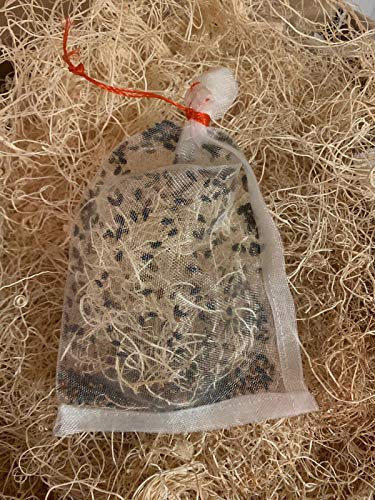
Features: Includes a release tips and rates sheet, with FAQs. The product emphasizes educational value and family-friendly use, and the ladybugs prey on a broad range of pests including aphids, moth eggs, mites, scales, thrips, leaf hoppers, mealybugs, chinch bugs, and whiteflies.
Buying Guide: Key Purchase Considerations
- Garden size and pest pressure: Larger infestations or bigger gardens benefit from higher counts (e.g., 1500–3000) for faster pest suppression.
- Delivery and survival: Look for ventilated packaging and pre-fed options; these improve survival during transit and initial establishment.
- Release strategy: Some products include release tips or rates; plan releases around cooler parts of the day and ensure adequate water in the garden to help ladybugs settle in.
- Ecological fit: Ladybugs control a range of common pests like aphids, mites, and whiteflies. Consider plant types and seasonal pest patterns to time releases effectively.
- Educational value: Many options include FAQs, fun facts, and release guides, making them suitable for classrooms or family learning projects.
- Consistency and delivery guarantees: Vendors often promise live delivery; verify return or replacement policies if available to guard against die-off during shipping.
When selecting a product, balance the immediate need for pest suppression with long-term garden health. A well-timed release, paired with ongoing monitoring of pest activity, supports a thriving ecosystem and reduces the dependence on chemical controls.