Answer: For a garden-focused purchase, choose live red wigglers for composting and worm castings for soil enrichment. The best options below cover both live worms and ready-to-use castings, helping with compost, soil structure, and nutrient availability. This guide is ideal for home gardeners, small farms, and container gardeners seeking practical, science-backed soil improvements.
Buyer summary table:
| Product | Best For | Key Benefit |
|---|---|---|
| Uncle Jim’s Worm Farm Black Gold Worm Castings | Soil enrichment and immediate nutrient boost | 7x phosphates, 5x nitrogen, 11x potash vs average soil |
| WWJD Worms Red Wigglers | Active composting and reliable castings | Nutrient-rich compost production |
| 250+ Red Wiggler Earthworms | Starting a composting system | Sustainable, live worms for ongoing castings |
| SMG Organic Worm Castings | Indoor and outdoor soil amendment | Humic substances for strong roots |
| KINGS BAY NATURALS 100% Organic Worm Castings | Easy-to-use soil amendment | Improved structure and water retention |
Uncle Jim’s Worm Farm Black Gold Worm Castings

Best for: Garden beds and potted plants needing a nutrient-rich base. The castings are produced by worms that process multiple compost layers, delivering a aerated, nutrient-dense soil amendment. This product is ideal for gardeners seeking a ready-to-use organic fertilizer that enhances soil biology.
Why selected: It combines high nutrient content with aeration, improving root growth and water infiltration. The organic worm castings supply organic matter that supports microbial activity in the soil.
Caution: Castings can vary in texture between batches; blend into soil to avoid clumping in very dry conditions.
WWJD Worms Red Wigglers
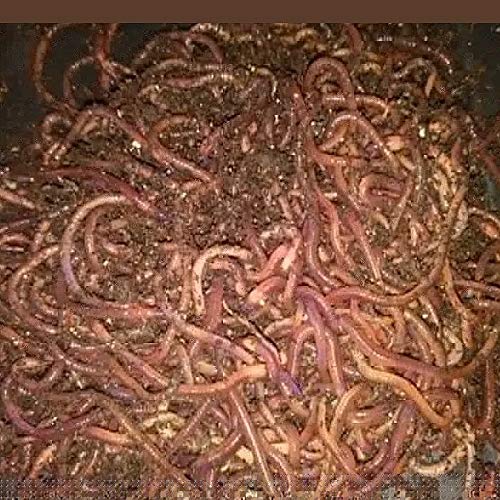
Best for: Composting setups and hobby gardens needing active decomposition and soil fertility. Red wigglers are versatile in climates and can be used for garden beds, worm farms, or as fishing bait when appropriate.
Why selected: They exhibit strong adaptability and contribute to increased soil fertility by delivering essential nutrients through castings produced during composting.
Caution: Live worms require proper habitat; avoid extremely cold or heat-stressed environments during shipment or setup.
250+ Red Wiggler Earthworms

Best for: Jump-starting a composting operation or filling a worm farm with organisms that reliably convert kitchen scraps into castings.
Why selected: A larger starting population increases the speed of composting and the volume of castings produced over time.
Caution: Ensure a suitable moisture level and bedding in the worm habitat to prevent stressing the colony.
SMG Organic Worm Castings 2 lbs

Best for: Indoor plants, container gardens, and vegetable beds needing a steady nutrient source and improved soil structure.
Why selected: It emphasizes humic substances and organic matter that support robust root systems and moisture retention.
Caution: For very large outdoor plots, may need to supplement with additional amendments depending on soil tests.
(1.5 Qt) Organic Worm Castings Kings Bay Naturals

Best for: Quick, easy soil amendments for mixed-use gardens, potting soils, and seed starting mixes.
Why selected: 100% organic material that enhances soil health by improving aeration and water retention with a versatile application scope.
Caution: Use small amounts at first in sensitive plants to gauge response and avoid over-fertilization.
Buying Guide
What should you consider when buying earthworms or worm castings?
- Purpose: Choose live worms for composting or castings for soil enrichment. For beginners, a mix of both can jump-start composting and improve soil quality.
- Worm type: Red wigglers are the standard for composting due to their efficiency and climate tolerance.
- Batch consistency: Castings vary by batch; look for products described as nutrient-rich or humic-substance rich for better soil health.
- Delivery and habitat: Live worms require appropriate temperature, moisture, and bedding; ensure shipping timing aligns with setup readiness.
- Application rate: Start with small amounts of castings and gradually increase; avoid applying too thickly in dry conditions.
- Indoor vs outdoor use: Indoor containers benefit from castings for moisture and nutrient retention, while outdoor beds gain from both live worms and castings.
FAQ
- What is the difference between worm castings and live worms? — Worm castings are the nutrient-rich byproduct of worm digestion, while live worms are organisms that process waste into castings over time.
- Are worm castings safe for edibles? — Yes, worm castings are an organic soil amendment that can improve nutrient availability and soil structure for vegetables and herbs.
- How many worms do I need to start a compost bin? — Starting quantities vary by bin size; larger bins benefit from dozens to hundreds of worms, with Red Wigglers commonly used.
- Can I use worm castings in pots? — Yes, castings improve potting mix by improving aeration, water retention, and microbial activity.
- Do live worms require special care after purchase? — They need a shady, moist environment with bedding and a stable temperature; avoid overheating or drying out.
- How long until I see benefits in the garden? — Castings begin improving soil structure quickly; visible plant benefits typically emerge over a growing season with consistent use.