Creating a bioactive terrarium requires substrates and plant-friendly media that support drainage, humidity, and a balanced ecosystem. The following selections are designed to work with diverse tropical plants, mosses, and microfauna, helping plants thrive while maintaining a healthy terrarium environment. Each option offers unique advantages for moisture control, substrate longevity, and plant compatibility.
| Product | Type / Purpose | Key Benefit |
|---|---|---|
| Josh’s Frogs ABG Mix | Bioactive terrarium substrate | Balanced ecosystem, tropical plant support |
| ZeeDix Reptile Substrate Leca Balls | Clay pebble substrate base | Humidity control, drainage, lightweight |
| Exo Terra Sub Stratum | Bioactive volcanic substrate | Odor control, moisture balance |
| The Bio Dude Terra Sahara | Desert/bioactive mix | Low humidity, long-lasting |
| Live Moss Variety Pack | Moss substrate coverage | Moisture retention, natural look |
Note: This article focuses on substrates and plant-friendly media that support bioactive setups. Each product section below highlights practical applications, compatibility, and how it contributes to a thriving terrarium ecosystem.
Josh’s Frogs ABG Mix Tropical Plant Soil & Bioactive Terrarium Substrate

The ABG Mix from Josh’s Frogs is designed to support a broad range of tropical plants and houseplants within bioactive terrariums. It is formulated from a recipe associated with the Atlanta Botanical Gardens and is designed to break down slowly, providing long-lasting nutrients and structure. The mix supports a balanced ecosystem by combining components that foster microbial life and plant health, while helping maintain stable moisture levels. This substrate is suitable for vivariums that include tropical plants, invertebrates, or small stabilizing fauna that rely on a bioactive substrate.
Josh’s Frogs White’s Tree Frog Vivarium Bioactive Plant Kit
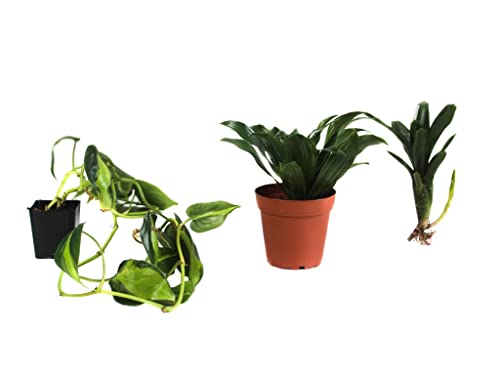
This 18x18x24 (or 29 gallon) terrarium plant kit is designed for a bioactive vivarium setup, including a tropical plant, a vine, and a bromeliad. The kit emphasizes live arrivals and plant compatibility within a terrarium that houses small amphibians. It can help establish a microhabitat with climbing opportunities and shaded areas, supporting plant growth and natural behaviors. While primarily aimed at tree frogs, the included plant assortment provides visual appeal and functional foliage for humidity and shelter within a bioactive system.
ZeeDix Reptile Substrate Leca Balls

These 2-pound bags of clay pebbles (LECA) are versatile for bioactive terrariums. The porous, hollow structure enhances moisture retention while improving drainage, helping to regulate humidity and prevent waterlogging. They create a lightweight base layer that supports root systems and plant health, while offering a stable environment for a range of tropical plants and even small moisture-loving fauna. The substrate is non-toxic and odorless, making it suitable for bearded dragons, tortoises, geckos, snakes, frogs, and other terrarium inhabitants when used as part of a layered substrate system.
Exo Terra Sub Stratum, Bioactive Volcanic Substrate

Exo Terra Sub Stratum is a volcanic bioactive substrate designed to support a natural terrarium ecosystem. It helps promote a balanced environment by aiding plant growth and reducing ammonia buildup, contributing to odor control and overall terrarium cleanliness. The substrate’s porous composition improves drainage and moisture regulation, making it suitable for a variety of plant species and terrarium inhabitants. It’s particularly helpful in systems where a bioactive colony of microorganisms plays a role in nutrient cycling.
The Bio Dude Terra Sahara Bioactive Substrate
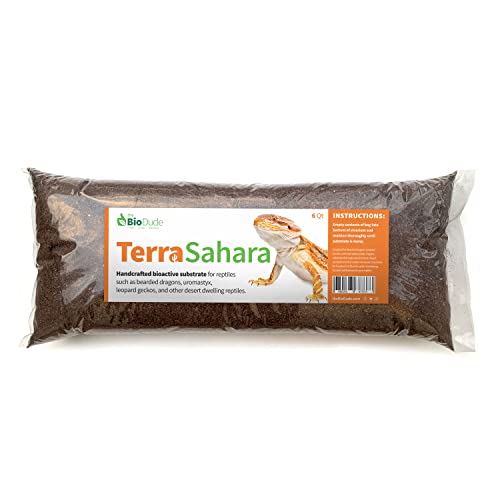
The Terra Sahara mix from The Bio Dude is a long-standing option for desert-focused bioactive setups. It is designed to minimize humidity increases while maintaining appropriate moisture balance in the lower layers of the terrarium. This substrate supports a range of desert plants and sandy environments, offering a balanced ecosystem that can sustain plant life and maintain stable conditions for desert-dwelling species. It’s marketed for long-lasting performance and compatibility with a variety of arid-adapted flora.
Live Moss Variety Pack – Real Moss For Terrariums

The Live Moss Variety Pack delivers real, living moss options suitable for terrariums, bonsai, and reptile enclosures. This pack emphasizes moisture retention and a natural texture that enhances the display of any habitat. Real moss can reactivate quickly after misting and creates a lush microclimate ideal for shedding, nesting, or providing surface cover for smaller terrarium inhabitants. Moss contributes to humidity balance while elevating the visual appeal of the enclosure.
Buying Guide: Substrate And Plant Choices For Bioactive Terrariums
Key considerations when selecting substrates for bioactive terrariums include drainage, humidity control, and compatibility with plant and animal life. A layered approach—combining a base substrate for drainage (such as LECA or volcanic substrate) with nutrient-rich, slow-decomposing soil for plant roots—helps sustain plant health and microbial activity. When choosing moss or ground covers, look for moisture-retentive options that can tolerate the terrarium’s humidity fluctuations. Bioactive inoculants and soil conditioners can support microbial communities that assist in nutrient cycling and waste breakdown, but ensure they are animal-safe and appropriate for your species. Compare longevity, cost, ease of maintenance, and compatibility with tropical versus desert plant selections to tailor a setup that meets your terrarium’s inhabitants and display goals.
Additional considerations include:
- Humidity and ventilation: Balancing moist microclimates with airflow to prevent mold and excess humidity.
- Plant compatibility: Selecting species that thrive in the terrarium’s light, moisture, and substrate conditions.
- Maintenance: Substrates that slow decomposition reduce the frequency of substrate refreshes.
- Health monitoring: Substrates that support beneficial microorganisms while avoiding harmful pathogens.
- Longevity and cost: Durable mixes reduce replacement frequency while staying within budget.