Selecting the right NPK ratio is essential for encouraging vibrant blooms in flowering plants. This guide reviews five popular fertilizers, focusing on their NPK makeup, how they support flowering, and practical application notes for home gardens and indoor plant setups. The products span liquid concentrates, water-soluble formulas, and organic blends to cover a range of growing scenarios and preferences.
Summary of chosen products
| Product | Brand | NPK Ratio | Form | Notes |
|---|---|---|---|---|
| Cz Garden 4-10-10 Bulb & Bloom | Cz Garden Supply | 4-10-10 | Slow-release | Promotes vigorous growth and bigger blooms |
| FoxFarm Big Bloom | FoxFarm | 0-0.5-0.7 | Liquid | Supports blooms and fruit production; contains organic matter |
| Scotts Super Bloom | Scotts | 12-55-6 | Water-soluble | High phosphorus for immediate flowering boost |
| Gardenera Premium 3-1-2 | Gardenera | 3-1-2 | Liquid | All-purpose formula for diverse plants |
| Down To Earth 4-8-4 Rose & Flower | Down To Earth All Natural Fertilizers | 4-8-4 | Organic | Balanced mix, OMRI listed for organic gardens |
The following sections provide in-depth looks at each product, followed by practical buying considerations to help you choose the right option for your flowering plants.
Cz Garden 4-10-10 Bulb & Bloom Fertilizer

The Cz Garden 4-10-10 fertilizer delivers a balanced NPK ratio with a boost in potassium to support flowering and overall plant vigor. Marketed as a premium all-purpose fertilizer, it fits indoor and outdoor gardens, including bulbous varieties and flowering ornamentals. The product emphasizes slow-release action, releasing nutrients gradually to reduce the risk of fertilizer burn while maintaining soil nutrients over time.
Key suitability: flowering bulbs, indoor and outdoor flowers, lawns, and garden vegetables. It is designed to promote vigorous growth and bigger blooms, with the slow-release formulation helping to sustain feeding between applications.
FoxFarm Big Bloom Liquid Plant Food

FoxFarm Big Bloom is a liquid concentrate designed to stimulate bloom production in flowering plants, fruits, and vegetables. Its formulation includes earthworm castings and bat guano, adding a rich spectrum of nutrients and micronutrients that support root growth and flowering intensity. This product is well-suited for gardeners seeking a potent bloom boost with a natural base.
Notes: the NPK is modest (0-0.5-0.7), but the emphasis is on phosphorus and trace elements to drive flowering, fragrance, and flavor development in herbs and edible crops.
Scotts Super Bloom Water Soluble Plant Food
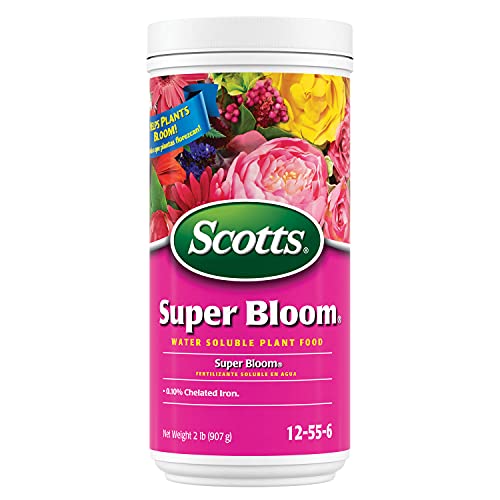
This Scotts formula delivers a high phosphorus load (12-55-6) to actively support bloom formation and fruiting across outdoor flowers, containers, and garden beds. Being water-soluble, it offers a quick nutrient uptake, making it ideal for weekly to biweekly feeding during peak flowering periods.
Application tip: dissolve in water and feed as directed to ensure even distribution and minimize salt buildup in container soils.
Gardenera Premium 3-1-2 Liquid Fertilizer Concentrate

Gardenera’s 3-1-2 all-purpose liquid concentrate provides a balanced blend suitable for a wide range of indoor plants and flowering ornamentals. The formula emphasizes organic integrity, steering clear of harsh chemicals and aiming for a safe, nature-forward feed that supports lush foliage and vibrant flowers.
Usage: apply as directed to meet plant needs across diverse species, including shrubs, trees, and flowering houseplants, while avoiding overfertilization.
Down To Earth Rose & Flower Mix 4-8-4

Down To Earth’s Rose & Flower Mix balances nitrogen, phosphorus, and potassium (4-8-4) to support flowering and root development while maintaining healthy foliage. It is OMRI-listed, making it a suitable option for organic gardening setups where synthetic additives are avoided.
Ideal uses include roses, bulbs, flowers, and other ornamentals that demand strong blooms paired with robust root systems.
Buying Guide: Key Considerations For Flowering Plants
- NPK balance for blooms: Look for higher phosphorus (the middle number) when bloom promotion is the primary goal. Some products pair high phosphorus with balanced nitrogen and potassium for overall plant health.
- Form and release type: Liquid concentrates act quickly but may require more frequent feeding; slow-release and granulated formats offer longer intervals and reduced burn risk. Water-soluble options provide instant availability but demand careful dosing.
- Indoor vs outdoor suitability: Some formulas are designed for indoor houseplants, while others target outdoor beds and containers. Ensure the product matches your growing environment and plant types.
- Organic vs synthetic: Organic blends (OMRI-listed) support organic gardens and may appeal to growers seeking natural inputs; synthetic blends often provide precise, fast-acting nutrition.
- Plant compatibility: Check whether the fertilizer is suitable for flowering bulbs, ornamentals, vegetables, or a mix. Some blends are better for flowering emphasis, others for general growth.
- Application cadence: Consider your gardening schedule. Slow-release fertilizers reduce maintenance, while liquids and water-soluble options may require more frequent applications during peak growth.
- Soil considerations: Do you have a sandy, loamy, or clay soil? Soils with poor nutrient retention may benefit from slow-release formulas, while rich soils could tolerate lighter feeding.
- Safety and packaging: For households with kids or pets, prioritize formulas with clear safety guidelines and non-toxic handling requirements. Also check packaging for ease of use and measurement accuracy.
- Cost and coverage: Compare price per plant or per square foot, not just per bottle. Long-term gardening plans may favor larger containers of balanced formulas with proven results.
- Test and adjust: Begin with the recommended rate and monitor plant response. Signs of overfertilization include leaf burn, overly lush foliage with few blooms, or salt crust on soil surface.
Choosing the right NPK blend depends on your flowering goals, plant types, and growing conditions. By aligning product characteristics with practical application needs, you can optimize bloom production while maintaining plant health across indoor and outdoor settings.