Choosing the right organic potting soil is essential for vegetable containers, raised beds, and indoor herb gardens. This guide highlights five top organic potting mixes, each with distinct advantages like moisture retention, nutrient release, and sustainable sourcing. All options are suitable for vegetables and offer OMRI certifications or clearly organic ingredients to support healthy yields without synthetic additives.
| Product | Brand | Key Benefit |
|---|---|---|
| Burpee Organic Premium Potting Mix | Burpee | Moisture-rich, coconut coir, long-lasting feeding |
| Back to the Roots 100% Organic Potting Mix (12 Quart) | Back to the Roots | Peat-free, upcycled materials, pH balanced |
| Miracle-Gro Organic Outdoor Potting Mix | Miracle-Gro | Quick-release fertilizer, versatile for containers |
| Espoma Organic Potting Soil Mix | Espoma | Mycorrhizae blend, rich organic ingredients |
| Wakefield Premium Biochar Blend | Wakefield Biochar | Biochar for improved fertility and moisture control |
Burpee Organic Premium Potting Mix For Containers

Burpee’s Organic Premium Potting Mix blends plant food with coconut coir to support seed and root development, making it well suited for vegetables in containers, as well as herbs and flowers. The mix is OMRI-listed, aligning with organic gardening standards. It provides immediate feeding and a slow-release option that sustains plant growth for up to three months, helping tomato transplants, lettuce, and peppers establish strong roots. The coconut coir helps retain moisture without overwatering, a critical benefit for indoor planters and balcony gardens.
For container gardeners, this mix delivers a balanced environment that supports early root establishment and steady nutrient availability. The combination of organic plant food and coir tends to reduce the frequency of watering while still supporting vigorous growth. It’s a practical choice for anyone seeking convenient, organic soil that performs well in limited spaces. Note that results may vary with climate and watering practices, so monitor moisture carefully in hot, dry summers.
Back to the Roots 100% Organic Potting Mix (12 Quart)
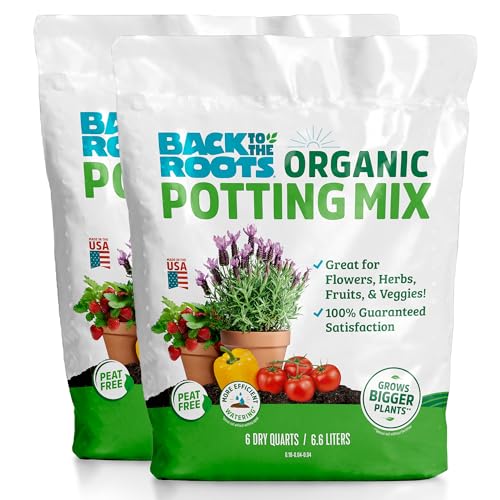
Back to the Roots offers a peat-free, 100% organic mix made from upcycled plant matter and wood fines sourced across the United States. This approach reduces reliance on imported peat and lowers the project’s carbon footprint. The blend is all-purpose and suitable for herbs, vegetables, fruits, and flowers, making it a flexible option for mixed container gardens. It includes yucca extract for moisture management and dolomitic limestone to help balance pH, supporting consistent growth for leafy greens and vine crops like cucumber or beans.
The peat-free formula aligns with sustainability goals while delivering reliable performance in raised beds and containers. Gardeners may appreciate the lighter weight and improved aeration, which assists root systems as they develop. For best results, combine with good irrigation practices and avoid overwatering in cool seasons, when soil can stay damp longer than expected.
Miracle-Gro Organic Outdoor Potting Mix

Miracle-Gro’s Organic Outdoor Potting Mix includes a quick-release natural fertilizer to feed plants for up to two months, making it an attractive option for busy gardeners who want quick results. The product is designed for use with all outdoor container plants, including vegetables, herbs, annuals, and perennials, which makes it a versatile choice for mixed containers or garden beds near patios. The peat-based formulation provides strong moisture retention and a stable growing medium for a range of vegetables, from lettuce to peppers.
As with all peat-containing mixes, consider long-term sustainability goals and local regulations on peat use. This mix provides dependable nutrient delivery in the short term, so adjust subsequent feeding based on plant type and growth stage. Proper watering remains essential to prevent nutrient leaching and ensure consistent growth through hot spells.
Espoma Organic Potting Soil Mix
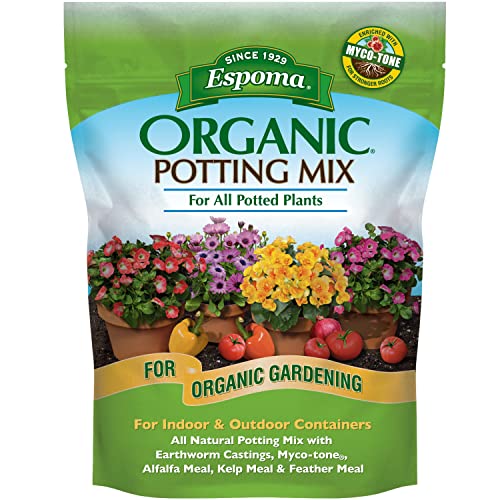
Espoma’s Organic Potting Soil Mix emphasizes a rich blend of sphagnum peat moss, humus, perlite, and organic amendments like earthworm castings, alfalfa meal, kelp meal, and feather meal. The MYCO-TONE component introduces a proprietary mix of endo and ecto mycorrhizae to promote robust root development. This combination supports a wide range of vegetables, herbs, and flowering container plants by improving nutrient uptake and soil structure.
The soil is designed for use both indoors and outdoors, making it suitable for balcony gardens, apartment setups, and raised beds. For vegetable containers, the established mycorrhizal network can help plants access phosphorus and other nutrients more efficiently, potentially improving yields and resilience during periods of drought or heat stress.
Wakefield Premium Biochar Blend Potting Soil

Wakefield’s premium biochar blend utilizes humic acid and CarbonBoost technology to create an enriched environment for robust vegetable growth. The biochar component enhances microbial activity in the root zone, improving nutrient availability and soil structure. This mix is versatile for indoor containers, raised beds, and patio planters, making it suitable for tomatoes, peppers, and leafy herbs alike. The moisture management features help prevent both drought stress and waterlogging, a common challenge in container gardening.
The blend targets long-term fertility by supporting microbial ecosystems and sustained root development. Gardeners who want a soil that balances drainage and moisture while adding a carbon-rich amendment may find this option advantageous, especially when developing a diverse container garden with tomatoes and cucumbers.
Buying Guide: Key Considerations For Organic Potting Soils
- Vegetable compatibility: Choose soils labeled for vegetables or with a proven track record for edible plants to maximize nutrient availability and root growth.
- Organic certification: Look for OMRI-listed ingredients or explicit organic certifications to ensure adherence to organic gardening practices.
- Water retention vs. drainage: Balanced moisture retention is essential for containers; compare coconut coir, peat, or biochar blends to match your climate and irrigation routine.
- Mycorrhizal inoculation: Soils with mycorrhizae can improve nutrient uptake and root resilience; consider this feature if you grow lettuce, tomatoes, peppers, and herbs.
- Environmental impact: Peat-free options and upcycled ingredients reduce ecological footprint; evaluate the sustainability of the blend for long-term plans.
- Container type and plant varieties: Some mixes are better for raised beds, while others excel in balcony pots or window boxes. Align the mix with your specific setup and crops.
- Fertility management: Quick-release versus slow-release feeding affects maintenance; plan around your watering schedule and expected harvest timeline.
- pH stability: Some mixes include lime or dolomitic limestone to balance pH; choose based on the vegetable variety’s preferred pH range.
When selecting an organic potting soil for vegetables, consider how your setup, climate, and target crops interact with soil properties. A peat-free option with balanced nutrients and good moisture management can support a wide range of vegetables, from leafy greens to fruiting plants. Mycorrhizal blends or biochar-enhanced soils may offer incremental improvements in yield and resilience, especially in containers with limited root space. Always follow label directions for best results and monitor plant health to adjust watering and feeding as needed.