Answering buyers seeking hardy, ornamental banana plants, this guide highlights five Musa basjoo banana tree options ideal for American climates. Each pick is chosen for cold tolerance, rapid growth, and striking foliage. The top contenders range from 4-pack rooted live plants to larger established specimens, suiting both container gardeners and landscape designers. Ideal buyers include northern gardeners seeking winter resiliency, privacy-seekers wanting fast-growing screens, and tropical-theme enthusiasts wanting instant visual impact. Below is a quick comparison of the selected products to help you decide at a glance.
| Product | Best For | Key Benefit | Ideal Setup |
|---|---|---|---|
| Banana Basjoo (4 Pack) – Live Plants for Planting | New garden beds | Four ready-to-plant rooted plants | Large pots or ground beds |
| Banana Basjoo Plants (4 Pack) – Live Cold Hardy Banana Plants | Privacy screens & tropical ambiance | Hardy to -10°F with protection | Soil or large containers |
| Live Hardy Banana Plant (Musa Basjoo) – 15″ Tall | Accent planting & focal point | Rapid growth to 6–10 ft | Sun, well-draining soil |
| Tropical Plants of Florida – Banana Basjoo | Landscape-ready tropical impact | 36–48″ tall in 3-gallon pot | Outdoor beds or large planters |
| 2 Live Plants – Musa Basjoo Banana Trees | Starter plants for quick fill | 2 live plants, hardy in multiple zones | Ground or big containers |
Banana Basjoo (4 Pack) – Live Plants for Planting
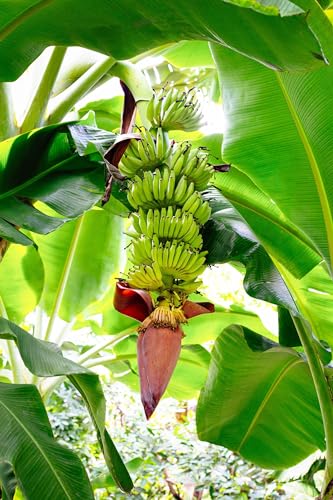
Best for beginners and larger-scale plantings, this 4-pack provides four rooted Musa basjoo specimens ready to establish in soil or large pots. The package emphasizes cold tolerance, with survivability down to -10°F when mulched. Tall, lush leaves deliver an instant tropical look, making it ideal for quick landscape transformation. Consider this option if you want immediate impact with multiple plants in one purchase.
Who it’s best for: homeowners seeking rapid coverage and a tropical vibe, urban gardeners wanting a dense display, or those creating a yard privacy screen. Caution: mulching and winter protection are recommended in colder zones to maximize survivability.
Banana Basjoo Plants (4 Pack) – Live Cold Hardy Banana Plants

This 4-pack emphasizes cold hardiness, with Musa basjoo plants described as capable of withstanding temperatures down to -10°F when protected. The four healthy rooted starters are suitable for soil beds or large containers, and the plants are noted for rapid, tropical-looking growth. This option is particularly strong for growers in mixed climates who want reliable overwintering potential and dramatic foliage.
Who it’s best for: gardeners focused on winter resilience plus fast visual impact. Caution: outdoor use in extreme weather requires protection during harsh seasons.
Live Hardy Banana Plant (Musa Basjoo) – 15” Tall

Best as a bold focal point or privacy screen, this plant is described as one of the hardiest banana options with rapid height growth. At approximately 15 inches tall at shipment, it grows quickly to fill space, especially in full sun and well-draining soil. It’s a strong pick for creating tropical drama in landscapes and patios.
Who it’s best for: landscape designers and homeowners needing a dramatic starter plant with immediate height. Caution: in colder zones, winter die-back is expected unless conditions stay above freezing year-round.
Tropical Plants of Florida – Banana Basjoo

Known for bold tropical impact, this 36–48 inch tall specimen arrives in a 3-gallon planter and is described as one of the most cold-tolerant banana varieties. It provides substantial vertical presence and large paddle-shaped leaves, ideal for backyard tropics-inspired landscapes. It may die back in winter in cooler climates but typically returns in spring where conditions permit.
Who it’s best for: buyers wanting a substantial tropical statement in outdoor spaces or large containers. Caution: in regions with hard winters, plan for potential seasonal die-back and spring regrowth.
2 Live Plants – Musa Basjoo Banana Trees
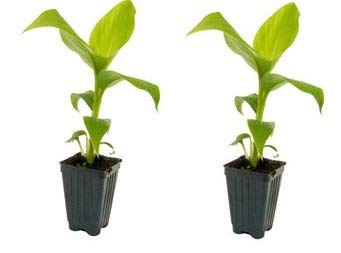
This option provides two live Musa basjoo plants, compact enough for early-stage gardens or container setups. The listing notes hardiness across several zones, making it versatile for mixed climates. Best used to build a mid-season tropical display before expanding to a larger planting plan.
Who it’s best for: gardeners starting a Musa basjoo project, those with limited immediate space, or buyers wanting a phased planting approach. Caution: ensure temperatures stay above freezing during shipping and planting to avoid stress to small plants.
Buying Guide
What to consider when selecting Musa basjoo banana trees
- Cold tolerance and winter protection: Look for phrases like “cold hardy” and support strategies such as mulching to extend growing windows in zones 5–11.
- Plant form and size: Decide between compact 15″ starter plants or larger 36–48″ landscape-ready specimens based on space and goals.
- Container vs. in-ground planting: Choose pots for patios or decks or ground planting for more substantial screening and stability.
- Growth rate and height goals: If you want a privacy screen, prioritize faster-growing options that reach 6–10 ft or more within a season.
- Overwintering plan: In temperate regions, plan for protective measures or seasonal die-back with spring recovery for perennials.
- Leaf appearance and maintenance: Expect broad, paddle-shaped leaves. Regular watering during active growth improves performance; ensure well-draining soil.
- Source and rooting status: Rooted live plants can establish faster than bare starts, so consider the listed rooting condition when planning installation.
Frequently Asked Questions
- What is Musa basjoo best used for in landscaping?
- Can Musa basjoo survive cold winters?
- Should I plant in a pot or in the ground?
- How quickly do these plants grow?
- What maintenance do they require?
- Are these plants edible?
It provides bold, tropical foliage and rapid height growth, making it ideal for privacy screens, focal points, and exotic garden accents.
Many varieties are cold hardy to roughly -10°F with protection, but winter outcomes depend on mulching, microclimates, and zone.
Both are viable. Pots suit patios and limited spaces, while in-ground planting offers stronger wind stability and larger growth potential.
Under ideal conditions, Musa basjoo can grow rapidly, reaching several feet in a single growing season.
Provide full sun, well-draining soil, regular watering during growth, and winter protection where frost is possible.
Most Musa basjoo selections are ornamental and produce non-edible fruit in some cases; many are grown for foliage and tropical look.