Find effective, organic pest control solutions that are safe for people, pets, and pollinators. This guide highlights five top options for common garden pests, with practical tips on when to use each product. Best for: home gardeners seeking natural controls, small to medium gardens, and those avoiding synthetic chemicals.
| Product | Type | Best For |
|---|---|---|
| Bonide Captain Jack’s Neem Oil | Multi-purpose oil spray | Mites, aphids, powdery mildew |
| Bonide Insecticidal Soap | Soap-based insect control | Soft-bodied insects on ornamentals and edibles |
| Wondercide Outdoor Pest Control | Plant-safe essential-oil spray | Mosquitoes, ants, general outdoor pests |
| Garden Safe Crawling Insect Killer (Diatomaceous Earth) | Physical barrier by contact | Crawling insects like roaches and ants |
| Earth’s Ally 3-in-1 Plant Spray | Botanical oil-based spray | Pests and diseases, safe for pollinators |
Bonide Captain Jack’s Neem Oil
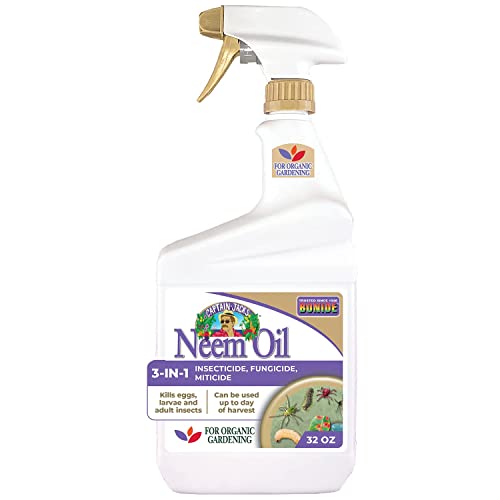
Neem oil is a versatile, ready-to-use spray that functions as a fungicide, miticide, and insecticide. It is designed to work against mites, mildews, and a broad range of insects, including eggs and larvae, reducing pest pressure across multiple life stages. Best for gardeners who want a single, multi-use product with simple application.
Best for: small to medium gardens needing a broad-spectrum, organic option. This product is convenient for day-of-harvest use, though it may require reapplication after rain.
Caution: Neem can affect some beneficial insects if applied too broadly or during bloom; use targeted applications when flowers are open.
Bonide Insecticidal Soap
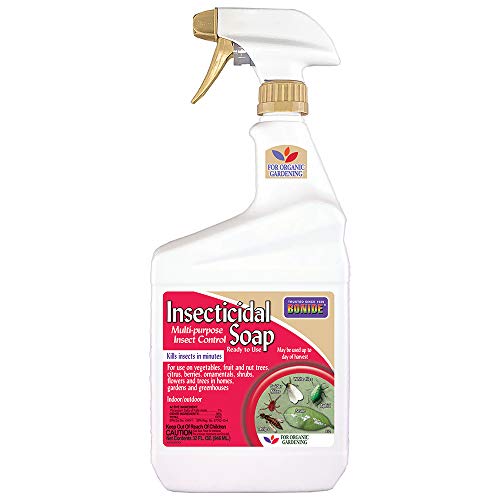
This ready-to-use spray targets a wide range of soft-bodied pests, including aphids, mites, caterpillars, and more. It works through direct contact and ingestion, providing rapid knockdown on outdoor ornamentals, vegetables, and fruit trees. Best for: gardeners who want a soap-based, low-toxicity option that is easy to apply on a variety of plants.
Best for: preventing population booms on leafy crops and ornamentals with minimal residue concerns. Avoid applying in direct sunlight or during hot midday heat to prevent leaf burn.
Wondercide Outdoor Pest Control

This spray uses natural essential oils to kill and repel a variety of outdoor pests, including mosquitoes, ants, fleas, ticks, roaches, and more. It attaches to a garden hose for easy coverage and is marketed as being safe around pets and people when used as directed. Best for: treating outdoor spaces and lawns with a non-synthetic option that limits chemical exposure.
Limitation: effectiveness can vary with pest pressure and weather; reapplication may be necessary after rainfall.
Garden Safe Crawling Insect Killer (Diatomaceous Earth)

This product uses diatomaceous earth to kill insects by contact. It is suitable for organic gardening and can be applied outdoors around plant bases and soil to create a physical barrier. Best for: targeting crawling insects such as cockroaches and ants without chemical pesticides.
Limitation: effectiveness depends on dry conditions; moisture can reduce its effectiveness and it may need reapplication after rain or watering.
Mighty Mint Peppermint Oil Plant Protection Spray

Plant-based pest control using peppermint oil to deter gnats, spider mites, and aphids. This product leverages botanical ingredients to support plant health while avoiding harsh chemicals. Best for: gardeners seeking a fragrance-based deterrent and safer use around kids and pets when applied as directed.
Caution: essential-oil sprays may cause leaf burn on sensitive plants in bright sun; test on a small area first.
Earth’s Ally 3-in-1 Plant Spray

Earth’s Ally combines insecticide, miticide, and fungicide in a botanical-oil-based formula. It aims to control pests such as aphids and spider mites while also addressing powdery mildew and other diseases. Best for: gardeners who want a single spray to manage multiple threats with pollinator-friendly ingredients.
Limitation: effectiveness can vary by pest type; it may require repeat applications for ongoing pressure or severe disease symptoms.
Buying Guide
What should you look for in organic pest control?
Identify the primary pests in your garden (soft-bodied insects, chewing insects, or fungal diseases) and choose products formulated for those targets. Consider whether you prefer a multi-use product or a combination of specialist solutions for targeted pests. Always check label guidance on crops and timing of application.
How do you choose between contact and systemic controls?
Contact products kill pests on contact or when eaten by pests, while systemic options move within the plant to protect new growth. For beginner gardeners, start with contact-based or sprayable products for quick results and use systemic products if pests persist.
What about safety and pollinators?
Many organic options are pollinator-friendly when used as directed. Avoid blooming plants during spray applications if possible, and follow label instructions regarding safe reentry times and protective gear.
Environmental considerations
Prioritize products with natural or plant-based active ingredients when possible. Consider proximity to water sources, beneficial insects, and the potential for drift to non-target plants or wildlife.
Application timing and coverage
Apply during cooler parts of the day to reduce leaf burn. Ensure thorough coverage of undersides of leaves where pests often hide. Reapply as recommended by product labels after rain or as pest pressure dictates.
Which product is best for beginners?
Bonide Captain Jack’s Neem Oil and Bonide Insecticidal Soap are user-friendly and widely applicable across plant types, making them good starting points for new gardeners seeking organic control.
FAQ
- What is an organic pest control product? A product made from natural ingredients designed to manage pests and diseases without synthetic chemicals.
- Are these products safe for bees? Many are designed to be bee-friendly when used as directed and applied away from bloom times; always follow label instructions.
- Can I mix these products with fertilizer? Do not mix unless the label explicitly allows it; some combinations can reduce effectiveness or cause plant damage.
- How often should I apply? Reapplication intervals are specified on each label and depend on pest pressure, weather, and plant type.
- Which product is best for vegetables? Neem oil, insecticidal soap, or Earth’s Ally are commonly used on edibles; check crop compatibility on the label.
- Is diatomaceous earth safe indoors? Yes, when used as directed; avoid inhalation and apply in dry conditions to maintain effectiveness.