Direct answer: For Zone 4 gardens seeking blue-toned perennials, these options offer blue-gray foliage or blue blooms, cold tolerance, and relatively low maintenance. They suit shady to sunny spots, rock gardens, and borders. The top picks below are selected for reliability in Zone 4 climates and for providing true blue hues or blue-tinged foliage that pop in American landscapes.
Buyer notes: The following table summarizes the five products chosen for blue or blue-tinged perennials. Use it to compare bloom type, sunlight tolerance, and maintenance needs at a glance.
| Product | Key Blue Feature | Sun/Light | Best For | Limitations |
|---|---|---|---|---|
| Blue Hosta Seeds | Blue-Green waxy foliage | Partial to full shade | Shaded corners, woodland gardens | Seed-grown; takes time to establish |
| Blue Delphinium Seeds | Blue flower spikes | Full sun to light shade | Borders, cutting flowers | Needs support; biennial tendencies |
| Blue Woolly Thyme Seeds | Blue-tinged creeping ground cover | Full sun to partial shade | Pathways, rock gardens | Slow starter in dry soils |
| Blue Wildflower Mix | Blue blooms among perennial species | Sun to partial shade | Pollinator meadows, borders | Mixed species; variability in blue blooming |
| Blue Fescue Ornamental Grass | Blue-gray blade color | Sun to part shade | Accent foliage, borders | Clumping habit; not a true flowering perennial |
Blue Hosta Seeds For Shady Gardens

Best for shade: Blue Hosta seeds produce plants with blue-green foliage that light up shady corners. The seeds promise large clumps of blue-toned leaves that emerge year after year. This option is suitable for gardeners who want a low-maintenance perennial that thrives away from full sun. Ideal for woodland gardens, under trees, or along north-facing walls where light is filtered. A caution: seed-grown perennials can take longer to reach mature size than established transplants.
Blue Delphinium Perennial Seeds

Best for showy blooms: Delphinium delivers tall spires of blue flowers that work well as focal points in borders and cutting gardens. The seeds are suitable for planting in Zones 4 and up with full sun to partial shade. Choose this if you want dramatic vertical color. Limitation: Delphiniums can require sturdy support and consistent moisture during peak bloom periods.
Blue Woolly Thyme Seeds Ground Cover
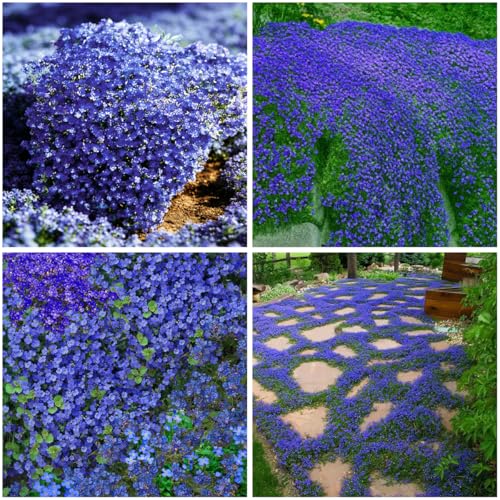
Best for ground cover: Woolly thyme provides a dense, evergreen carpet of silver-blue foliage with tiny lavender-blue flowers in early summer. It tolerates drought and foot traffic, making it a practical option for between stepping stones or along paths. Caution: germination can be slow; keep soil evenly moist during early stages.
Wildflower Mix With Blue Tones
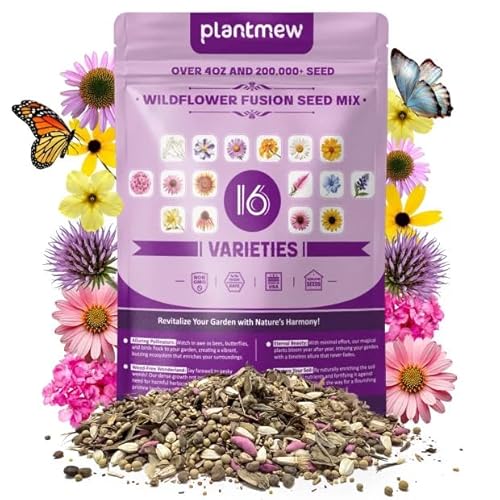
Best for biodiversity: This 16-variety perennial mix includes blue-flowering species and other bloom colors to attract pollinators across zones 4 and up. It’s designed for indoor/outdoor planting and supports bees, butterflies, and birds. Use for meadows, borders, or prairie-style plantings. Limitation: mix composition can yield variable blue bloom timing and coverage depending on growing conditions.
Blue Fescue Ornamental Grass
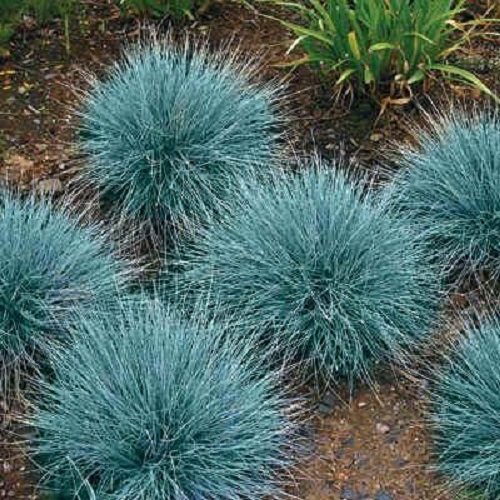
Best for foliage color: Blue fescue offers blue-gray blades that maintain color in sun to light shade. It’s a compact accent plant suitable for borders, rock gardens, or containers. Choose this if you want a low-maintenance ornamental grass that enhances cool-toned palettes. Caution: not a blooming standout; rely on textural interest for year-round appeal.
Buying Guide: Blue Perennials For Zone 4
- Light and heat tolerance: Zone 4 gardeners often face cold winters; select species with reliable cold hardiness and note whether they require full sun, partial shade, or shade.
- Foliage versus bloom: If year-round color is important, prioritize blue-gray foliage (fescue, hosta) or choose blue bloom varieties (delphinium, thyme) accordingly.
- Maintenance level: Seed-based options save money but may take longer to establish. Transplants or established plugs offer quicker color but cost more.
- Soil and moisture: Many blue-toned perennials prefer well-draining soil. Drought-tolerant choices suit drier zones; others require regular moisture for best color.
- Pollinator impact: Wildflower mixes and flowering perennials can boost pollinator activity; pair with nectar-rich native plants for resilience.
Frequently Asked Questions
- What is the best blue perennial for shade in Zone 4?
Hostas with blue-green foliage are a strong choice for shade in Zone 4 due to their tolerance of low light and cold winters. - Do blue flowering perennials survive Zone 4 winters?
Yes, many blue-flowering perennials and blue-toned foliage plants are bred for cold hardiness and return yearly in Zone 4 gardens when properly mulched and cared for. - Should I start from seed or buy established plants?
Seed you plan to grow can save costs but requires patience and time to mature; established plants or plugs provide quicker splash of blue color. - What soil conditions favor blue perennials?
Most blue plants prefer well-drained soil; avoid heavy clay that remains wet. Mulching helps retain moisture and stabilize temperatures. - Are blue perennials drought-tolerant?
Some, like blue fescue and blue thyme, tolerate drought better, but many blue-toned perennials perform best with regular moisture in hot spells. - Can I mix blue perennials with other colors?
Yes, blue hues pair well with whites, pinks, and yellows, creating contrast and depth in borders appropriate for Zone 4.