Beekeepers seeking effective Varroa mite management have a range of options that balance efficacy with bee safety and honey quality. The following selections highlight natural and chemical methods, long-acting treatments, and practical tools to monitor mite levels. This guide includes five well-regarded products chosen for performance, user-friendliness, and reliability across standard beekeeping operations in the United States.
| Product | Brand | Type |
|---|---|---|
| Apiguard | VITA BEEHEALTH | |
| Varroxsan Oxalic Acid Strips (60 Strips) | VITA BEEHEALTH | |
| Apivar Strips | Foxhound Bee Company | |
| Mann Lake HopGuard 3 | Mann Lake | |
| Varroxsan Oxalic Acid Strips (60 Strips) | VITA BEEHEALTH |
Note: The list above emphasizes a mix of chemical and natural options, plus a practical mite monitoring tool to help determine the right timing and treatment strategy for your operation.
Apiguard – Natural Varroa Mite Treatment

Apiguard uses plant-based thymol to deliver a controlled release of vapor and target Varroa mites. It is recognized as an effective natural treatment trusted by beekeepers worldwide. Timing is flexible when supers are off, easing seasonal scheduling concerns. The gel format provides sustained thymol exposure to mites while aiming to minimize stress on the colony.
Varroxsan Oxalic Acid Strips – 60 Strips
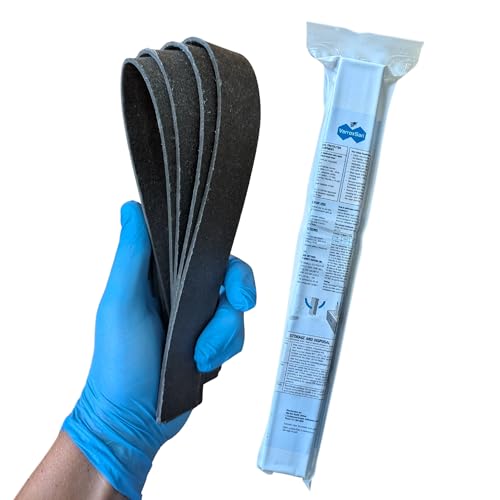
These slow-release oxalic acid strips offer long-term mite control over 6–8 weeks with no mixing or reapplication. They are designed to be simple to use: hang between frames, and bees perform the majority of the work. The formulation is intended to be safe for bees, brood, and queens and usable with honey supers in organic beekeeping programs.
Apivar Strips Varroa Mite Treatment

Apivar Strips use a slow-release amitraz formulation to achieve high mite reduction. It is widely regarded as a leading varroa control method, suitable for use during active brood cycles and without strict temperature or airflow requirements. When used correctly, it has reported efficacy in the high 90s percentile against Varroa mites.
Mann Lake HopGuard 3

HopGuard 3 harnesses hop compounds to combat Varroa mites while remaining residue-free in honey and wax. It is designed for broad hive compatibility and performs well under various weather conditions. The product is formatted for convenient application across multiple hive types, including Langstroth and top-bar configurations.
Varroxsan Oxalic Acid Strips – 60 Strips

This 60-strip variant provides scalable options for different operation sizes. The oxalic acid strips offer long-term mite control, with a setup that minimizes handling and ensures safety for bees, brood, and queens. They are compatible with honey supers and suitable for organic beekeeping programs.
Buying Guide: Key Considerations For Mite Control
Effective Varroa management depends on selecting the right approach for your operation. Consider the following factors to optimize outcomes and minimize risks to bees and honey quality.
- Treatment type and mode of action: Choose a mix of contact, vapor, and physical methods to reduce resistance risk and address different hive conditions.
- Colony life stage and brood timing: Some treatments are brood-safe or brood-averse; plan applications to minimize brood disruption and maximize mite kill rate.
- Bee safety and honey quality: Ensure products are labeled as safe for use with honey supers if you plan to harvest during treatment periods.
- Temperature and scheduling flexibility: Some products require specific conditions; others offer flexible timing, aiding year-round management.
- Residue considerations: For products like HopGuard and oxalic acid strips, confirm residue profiles align with your honey production goals and local regulations.
- Ease of use and labor requirements: Strips and gels vary in handling, placement, and duration; factor in apiary size and labor availability.
- Monitoring integration: Use mite counting tools like a mite tester to guide treatment timing and assess effectiveness after interventions.
- Resistance management: Rotate modes of action to reduce the risk of mite resistance developing over time.
- Storage and shelf life: Some products offer extended shelf life or easy storage in varying climates; plan inventory accordingly.
When selecting products, consider combining a natural option (such as thymol-based Apiguard) with a tightly controlled oxalic acid regimen and a vetted miticide like Apivar for a balanced, multi-faceted approach. Regular mite monitoring should inform treatment timing and help maintain colony health across seasons.