The best gardens bloom when you mix versatile flowering perennials, annuals, and eye-catching seeds. This guide highlights four standout products that help you grow stunning blooms, attract pollinators, and extend color from spring through fall. From practical handbooks to easy-to-grow seeds, these picks cover planning, planting, and preserving the magic of garden flowers. Explore compact container-friendly options to bold borders that become garden focal points. Each selection is chosen for reliability, clear guidance, and broad appeal to American gardeners seeking vibrant, low-stress flowering plants.
| Product | Type | Why It Shines |
|---|---|---|
| The Old Farmer’s Almanac Flower Gardener’s Handbook | Guide/Reference | Comprehensive growing tips, wide plant profiling, and seasonal color planning |
| Chocolate Cherry Sunflower Seeds | Seeds | Large, dramatic blooms; pollinator friendly; tall statement plants |
| Bloom’s Best Perennials and Grasses | Book | Expert selections and durable, year-round garden ideas |
| Groundio Zinnia Seeds Mix | Seeds | Vibrant color mix; attracts pollinators; easy direct sow |
Flower Gardener’s Handbook From The Old Farmer’s Almanac

The Old Farmer’s Almanac Flower Gardener’s Handbook is a practical, accessible resource for both beginners and seasoned gardeners. It profiles a broad range of flowering plants—bulbs, annuals, biennials, perennials, shrubs, and vines—providing essential care tips, disease and pest guidance, and cut-flower harvesting advice. With chapters on seasonal color, native plant options, and container gardening, this book emphasizes sustainable choices and garden resilience. Readers can learn about ground-level soil health, watering strategies, and how to plan color throughout the season for dependable blooms. The book also includes journal pages to track dates and observations, helping gardeners refine their plant choices year after year.
Key features include plant-by-plant profiles for favorites like asters, irises, coneflowers, hydrangeas, roses, and wisteria, plus practical sections on soil structure, pH management, and fertilization. It also explores native flowers that support local pollinators and tips for bringing garden beauty indoors through cutting and drying techniques. For households seeking a trusted, long-running guide to flowering plants, this handbook offers clear explanations, historical context, and user-friendly checklists that align with American garden traditions.
Chocolate Cherry Sunflower Seeds
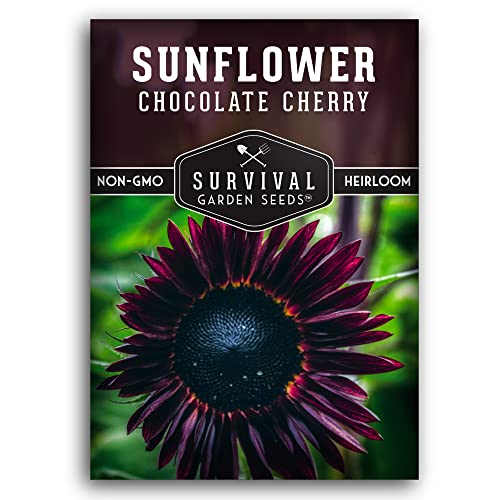
Chocolate Cherry Sunflower Seeds deliver dramatic, deep burgundy blooms on tall, branching plants that reach 6–7 feet. These large 5–8 inch blossoms create a striking focal point in borders, beds, or containers. They’re a pollinator-friendly choice, attracting bees, butterflies, and birds, which helps support a healthy garden ecosystem. Grown as an annual, they prefer full sun and well-drained soil, blooming from summer into fall. The seeds are well-suited for cut flowers, offering long stems and rich color for arrangements. Gardeners with space to spare will appreciate the vertical drama and wildlife benefits of these stately sunflowers.
In addition to their ornamental value, they offer practical versatility: they perform well in mixed borders, are easy to grow from seed, and can be used to create striking screen plantings or wildlife-friendly hedges. Because they are annuals, they’re ideal for experimenting with color schemes year to year without long-term commitment. Proper staking or support helps manage the plant’s height, especially in windy sites. For gardeners seeking bold color and pollinator appeal, Chocolate Cherry Sunflowers are a reliable choice.
Bloom’s Best Perennials and Grasses

Bloom’s Best Perennials and Grasses provides expert plant choices and dramatic combinations intended for year-round appeal. Although the listing notes a “Used Book in Good Condition,” the content it references remains valuable for gardeners seeking durable, long-lived plantings. This resource emphasizes reliable perennials and grasses that deliver consistent color across seasons, enabling low-maintenance borders and resilient landscapes. Readers can expect thoughtful pairings, soil and moisture considerations, and design ideas that help transform ordinary spaces into enduring gardens with seasonal rhythm.
Perennial and grass combinations are highlighted for structure, texture, and color continuity. The book’s approach supports sustainable gardening—choosing plants that perform well in typical American climates, localized soil conditions, and common rainfall patterns. For those prioritizing long-term investment in flower power, this guide serves as a practical reference for selecting species that reduce annual replanting while maintaining visual interest throughout the year.
Groundio Zinnia Seeds Mix

Groundio Zinnia Seeds Mix offers a vibrant open-pollinated mix featuring pink, yellow, orange, white, and purple blooms. This open-pollinated selection supports easy direct sowing, with blooms typically emerging in late spring to early summer. Zinnias are known for their reliable, prolific flowering throughout heat and dry spells, making them a favorable choice for pollinator-friendly gardens. The mix promises large flower sizes and a relatively quick path to color, which is ideal for borders, beds, and containers alike.
With germination rates emphasized as a priority, these seeds are designed to deliver a high success rate for home gardeners. Zinnias thrive in full sun and well-drained soil, tolerating hot conditions that can challenge other species. Their annual lifecycle allows gardeners to experiment with color combinations each season while maintaining an overall garden strategy focused on continuous bloom and visual impact.
Buying Guide: Key Purchase Considerations
When choosing flowering plants for your garden, consider climate suitability, soil type, sun exposure, and water availability. Here are essential factors to weigh:
- Growing conditions: Match sun, soil texture, drainage, and moisture needs with your site. Native and drought-tolerant options can reduce maintenance and water use.
- Bloom time and color: Plan for continuous color by combining early, mid, and late-season bloomers. Consider color harmony and pollinator-friendly palettes.
- Maintenance level: Perennials reduce replanting, while annuals offer fast color. Seeds provide cost-effective options but may require more planning and care.
- Pollinator appeal: Choose flower shapes and colors that attract bees, butterflies, and birds to support a thriving garden ecosystem.
- Soil health and fertility: Improve soil with compost and appropriate fertilizers. Some books emphasize soil structure and pH management for long-term plant health.
- Water management: Select varieties that suit your water resources and consider mulch, drip irrigation, and drought-tolerant species to conserve water.
- Space and configuration: For containers, choose compact or trailing varieties; for borders, plan height and spacing to create layered, accessible beds.
- Longevity and adaptability: Perennials and grasses add year-round structure, while annuals and seeds offer seasonal experimentation and vibrant bursts of color.
In sum, this selection provides a balanced mix of practical handbooks and robust flowering options. The Old Farmer’s Almanac guide supports planning and care, while the seed kits and perennial-focused titles offer actionable steps for creating dynamic, pollinator-friendly gardens. By combining these resources, American gardeners can cultivate a landscape that thrives across seasons with reliable bloom, healthy soil, and sustainable water practices.