Looking for Great Blue Lobelia varieties to add striking blue spikes to moist, partial-shade gardens? This guide highlights five solid choices that work well in American landscapes. Each option targets different buyers: seed packets for budget-friendly growers, live plants for instant color, and organic or native-friendly seeds for biodiversity-minded gardeners. The selections emphasize vivid blue blooms, pollinator appeal, and adaptability to wet soils. Read on to compare features, best-use cases, and practical cautions to help you choose confidently.
| Product | Type | Best For | Garden Style | |
|---|---|---|---|---|
| Great Blue Lobelia Seeds (Lobelia siphilitica) – Non-GMO | Seed | Budget planters, naturalized borders | 4-9 | Pollinator-friendly, moist borders |
| American Beauties Native Plants – Lobelia siphilitica (Cardinal Flower) Perennial | Live Plant | Instant color, containers, established beds | 4-8 | Summer bloom, wildlife-friendly |
| Smoke Camp Crafts Organic Blue Lobelia Seeds | Seed | Organic, native garden projects | 4-9 | Wildlife-friendly, cool-season germination |
| Blue Lobelia (Lobelia siphilitica) Organic Plant in 2.5-inch Pot | Live Plant | Small-space planting, quick color | 4-9 | Native look, perennial vigor |
| Everwilde Farms – 2000 Great Blue Lobelia Native Wildflower Seeds | Seed | Long-term storage, gold vault packaging | 3-9 | Native habitat restoration, seed-dedicated gardens |
Great Blue Lobelia Seeds (Non-GMO) — Pollinator Ready

Features: Vivid blue blooms; Non-GMO seeds; Pollinator magnet. Best for gardeners seeking a budget option with high germination potential. Suitable for part-shade and moist soil. This seed package targets buyers who want to establish a pollinator corridor or fill borders with native-looking color. A limitation is that germination depends on proper stratification and soil moisture, which may vary by climate.
American Beauties Lobelia Siphilitica — Perennial Blue Flower

Features: Zone 4-8; 30-36 inches tall; deep green foliage; blooms start in July and continue through summer; attracts a range of pollinators. Best for gardeners who want a reliable, established perennial in a container or mature bed. The plant arrives in a #1 container and can be planted immediately, weather permitting. Consider this option if you prefer a ready-to-grow specimen with strong summer bloom; avoid if you need a compact compact foundation plant.
Smoke Camp Organic Blue Lobelia Seeds — Native & Organic

Features: Organic certification; North American native; hardy zones 4-9; requires 60 days of cold, moist stratification. Best for gardeners who want organic seed with native habitat benefits and a clear germination process. Use caution if you cannot provide the necessary stratification period or consistent winter moisture, as germination relies on these steps.
Blue Lobelia Organic Plant in 2.5-Inch Pot
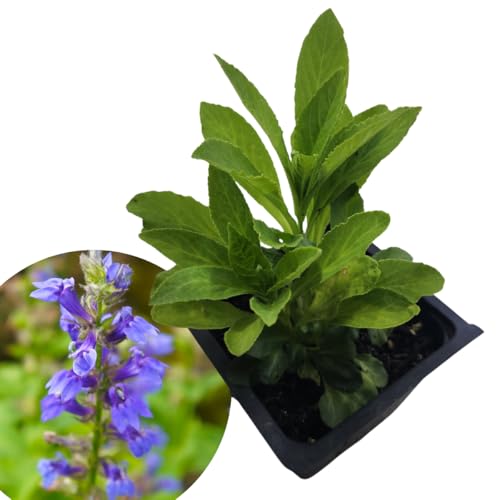
Features: Organic; native to eastern North America; hardiness zones 4-9; perennial establishment; thrives in shade and moist soil. Best for quick color in shady borders and containers. Choose this if you want an immediate display rather than waiting for seeds to germinate; avoid if you require extremely compact growth in small spaces.
Seeds Blue Lobelia Cascade — Groundcover Seeds

Features: Annual cascading flowers; height 6-8 inches; easy to grow, low maintenance; pollinator-friendly. Best for groundcover, hanging baskets, and compact borders. Choose this for massed, trailing blue blooms. A limitation is that being annual in many regions, it may not persist year to year in colder zones.
500 Great Blue Lobelia Seeds — Seedville
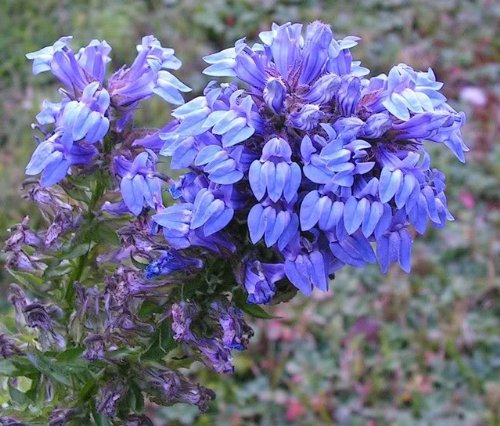
Features: Bloom all summer; hardy zones 3-9; plant height 12-36 inches; spacing 15-18 inches. Best for gardeners seeking a broad seasonal bloom with long-lasting color in mixed borders. Use caution if you need a compact plant, as this option can reach substantial height in ideal conditions.
Everwilde Farms — 2000 Great Blue Lobelia Native Wildflower Seeds

Features: Gold vault packaging for storage; high-quality native wildflower seeds; triple-layer Mylar packaging for longer storage. Best for long-term seed planning, storage, and restoration projects. Choose this if you prioritize seed longevity and storage stability; limitation is that this is primarily a storage-focused pack rather than immediate planting guidance.
Buying Guide: How To Choose The Right Blue Lobelia
- Consider your site: Do you have partial shade and consistently moist soil? Lobelia siphilitica prefers these conditions and can handle borders, beds, or naturalized areas.
- Seed vs. live plant: Seeds are cost-effective for larger patches and wildflower-style plantings. Live plants offer instant color but may require more care in transition.
- Native and organic options: If supporting local pollinators and avoiding synthetic inputs are priorities, organic seeds and native varieties can be especially beneficial.
- Germination and establishment: Seeds often require stratification, proper moisture, and a cool period. Live plants skip some steps but need careful acclimation after transplanting.
- Garden longevity: Lobelia can be perennial in many zones, returning yearly. In colder regions, some plants may behave more as short-lived perennials or annuals depending on winter severity.
- Pollinator appeal: All listed selections attract bees, butterflies, and hummingbirds, contributing to biodiversity in home landscapes.
Practical Considerations And Quick Comparisons
- Best for instant impact: American Beauties Native Plants live plant and Blue Lobelia Organic Plant offer immediate color in beds or containers.
- Best for budget planting: Seed options from NaturalRoots, Smoke Camp Crafts, Seedville, and Everwilde Farms provide economical routes to establish blue color across larger areas.
- Best for native habitat work: Native and organic seed options support local ecosystems and pollinators with minimal synthetic inputs.
- Best for storage and longevity: Everwilde Farms’ Gold Vault packaging helps with long-term seed storage for future seasons.
Frequently Asked Questions
- What conditions do Lobelia siphilitica prefer? They like partial shade to full shade with consistently moist soil and good organic matter.
- Are these plants perennial in most American gardens? Many lobelias are perennials in zones 4–9, but performance depends on winter severity and moisture availability.
- Can I grow lobelia from seed indoors? Yes, with stratification and warm-to-cold germination cycles as indicated by the seed supplier, followed by careful transplanting.
- Are there non-hybrid varieties available? Yes, several suppliers offer native or Non-GMO seeds that emphasize native blue flowers without hybridization.
- Which option is best for pollinator gardens? All featured seeds and live plants are selected for attracting bees, butterflies, and hummingbirds, with variation in bloom timing and plant height.
- Should I choose seeds or a live plant for a small border? For quick color, a live plant is better; for broader bed planting and budget, seeds are ideal.