Yes, you can grow herbs and microgreens in a compact aquaponic or hydroponic setup that doubles as a self-cleaning fish tank. This guide highlights five dependable options that pair herb gardens with a fish tank ecosystem, making them ideal for beginners and busy cooks alike. Each pick supports year‑round growing, uses water-efficient systems, and leverages fish waste as plant fertilizer. Read on to find which model best matches your space, plants, and maintenance preferences. The quick-reference table below helps you compare key options at a glance.
| Product | Best For | Why It Stands Out |
|---|---|---|
| Back to the Roots Indoor Aquaponic Garden | Compact, kid-friendly homes | Self-watering, self-cleaning, year-round microgreens |
| Huamuyu Hydroponic Garden Aquaponic System | Low-maintenance plant-water cycle | Seed sprouter, 50% fewer cleanings |
| Penn-Plax Aqua-Ponic Planter | Betta owners seeking simplicity | Clear tank, easy plant integration |
| MFYDPP Hydroponics Growing System | Tech-minded users | LED grow light, touch screen, 2-in-1 system |
| AquaSprouts Aquaponics Garden | Educational homes and offices | Self-sustaining, fits standard 10 gallon tanks |
Back to the Roots Indoor Aquaponic Garden

The Back to the Roots Water Garden Duo combines a self-watering planter with a small fish tank for herbs, microgreens, bamboo, succulents, and houseplants. Its year‑round setup makes it a strong pick for apartment dwellers and first‑time aquaponics users. Fish waste fertilizes the plants above, while the plants help clean the water. This model is best for buyers seeking an easy, decorative all-in-one system that doubles as a learning tool for kids. A potential limitation is the compact size, which can restrict larger herb varieties or rapid growth during peak seasons.
Huamuyu Hydroponic Garden Aquaponic System
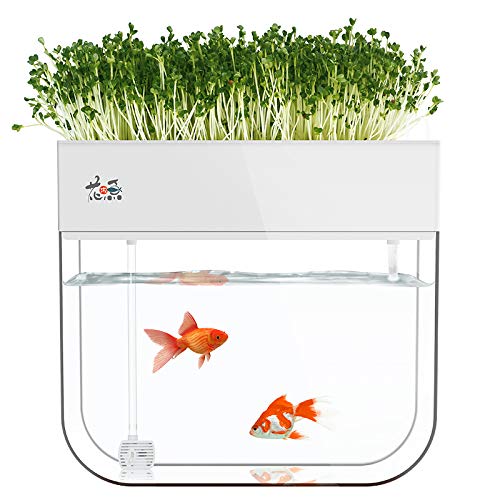
The Huamuyu system emphasizes a fish tank and seed sprouter combination. Its design reduces the frequency of required cleanings by leveraging plant roots that consume fish dung as nutrients. The tidal-like water level and plants’ breathability support a healthier aquatic environment with less manual maintenance. This option is better for buyers who want a self-cleaning feel without complex setup. A minor caveat is that initial assembly and balancing the cycle can take a bit of patience for pristine results.
Penn-Plax Aqua-Ponic Planter & Aquarium
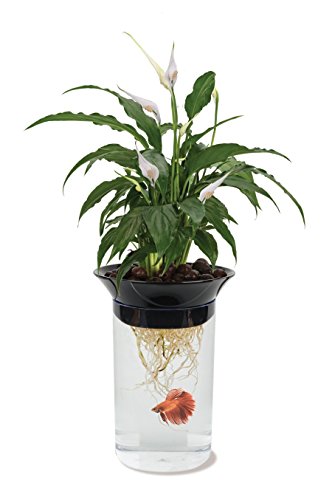
The Penn-Plax Aqua-Ponic Tank blends a betta home with a hydroponic planter area on top. It’s designed for transparency so you can watch the fish and plant cycles in action. Best for Betta enthusiasts who want a visually engaging, compact setup. It’s also suitable for leafy herbs and hardy greens. Note that bettas are sensitive to water quality, so regular partial water changes are still recommended to maintain balance.
MFYDPP Hydroponics Growing System

This 2‑in‑1 system combines a hydroponic garden with an aquarium. It features a full spectrum LED lamp and a touch screen panel to control growth mode, light timing, and water pump. Best for tech‑savvy buyers who want adjustable lighting and automation to maximize herb yields in a compact footprint. A limitation is the learning curve associated with more complex controls and the potential for higher upfront cost compared to simpler kits.
AquaSprouts Aquaponics Garden

The AquaSprouts Garden is a self-sustaining aquarium and aquaponics kit that fits standard 10-gallon tanks. It emphasizes a low-maintenance, all-natural cycle where fish fertilize the plants and plants clean the water. This is a solid choice for classrooms or offices where a larger stocking tank is feasible and you want a stable, long-term system. The setup requires a bit more space than ultracompact options, so plan accordingly.
Ahopegarden Hydroponics Growing System

The Ahopegarden 10-pod indoor garden kit features an LED grow light, a visual water tank window, and an auto‑timer. It’s ideal for compact kitchens where space is at a premium but you want diverse herb options. Built-in temperature and humidity monitoring helps maintain a steady environment. A potential drawback is the single-tank design, which may require careful plant selection to avoid overcrowding at harvest time.
URUQ Hydroponics Growing System Garden

The URQU Hydroponics Garden offers eight pods and a 24-watt LED light to accelerate growth. It features a quiet circulatory pump and a smart timer that delivers 16 hours of light daily. This setup suits busy kitchens and desks where consistent light timing matters. It’s a good balance between automation and hands-on care, but the capabilities may be overkill for purely decorative herb growing in small spaces.
Buying Guide: How to Choose Your Hydroponic Herb-Fish System
What size space do you have?
Compact options excel in apartments and kitchen countertops, while larger tanks support more herb varieties and higher yields. If you plan to keep fish, confirm the tank capacity and whether the kit includes a filtration approach that suits beginner balance.
What plants do you want to grow?
Herbs such as mint, basil, chives, and parsley typically thrive in hydroponic tops with adequate lighting. Leafy greens like lettuce and microgreens also perform well. If you want roots that thrive with fish waste, prioritize systems advertised as aquaponic or self-cleaning.
How automated do you want it to be?
Some kits offer full automation with LED grow lights and timers, while others provide basic setups emphasizing manual adjustments. If you’re new to hydroponics, turnkey systems with auto-timers reduce daily maintenance.
Maintenance and durability matter.
Look for systems with easy-access water tanks, clear indicators for water level, and materials that resist algae buildup. Self-cleaning claims are helpful but verify whether the design truly reduces maintenance or simply re-routes tasks to the user.
Budget and future expansion.
Prices vary by features, pod count, and lighting. If you envision expanding, choose a modular option with compatible pods or an upgrade path that fits your space and skill growth.
Frequently Asked Questions
- What is aquaponics? Aquaponics combines fish and plants in a symbiotic system where fish waste nourishes plants and the plants help purify the water.
- Are these systems easy for beginners? Yes, several models are designed for beginners with self-contained water cycles and automated lighting or simple maintenance routines.
- Can I grow herbs year-round? Most of these systems are designed for year-round use with indoor lighting and controlled environments.
- Do I need a separate fish tank? Some kits include a combined tank and planter, while others pair a planter with a standard aquarium; choose based on space and desired fish species.
- Which system is best for classrooms? The AquaSprouts and similar educational kits are well-suited for classrooms due to their visible cycles and robust teaching value.
- What maintenance should I expect? Expect periodic water top-offs, occasional plant pruning, and monitor for algae growth and fish health in systems with a larger fish load.