Finding a lawn grass that thrives under heavy shade can be challenging, but selecting shade-tolerant seeds and mixes helps you achieve a green, healthy lawn in low-light areas. This guide highlights five top options designed to perform in shade-dominated yards, with insights into germination, shade tolerance, and maintenance considerations. The recommendations below emphasize blends that combine shade-tolerant grasses with root-building nutrients to help establish dense, durable turf even when sun is scarce.
| Product | Brand | Coverage | Shade Notes |
|---|---|---|---|
| Jonathan Green 40600 Dense Shade Grass Seed | Jonathan Green | 3 lb bag; 1,800 sq ft | Strong shade tolerance; dense, dark green grow-in |
| Jonathan Green Black Beauty Dense Shade Grass Seed | Jonathan Green | 1 lb | Shade-tolerant; dark green color; quick germination |
| Pennington Smart Seed Dense Shade Grass Mix | Pennington | 7 lb | Tall Fescue & Fine Fescue blend for shade |
| Scotts Turf Builder Dense Shade Mix | Scotts | 2.4 lb | Grows with little sun; root-building nutrition |
| Scotts Turf Builder Sun & Shade Mix | Scotts | 5.6 lb | Sun and moderate shade tolerance; soil improver |
Tip: When choosing a seed mix for heavy shade, look for blends that include Fine Fescue or Perennial Ryegrass combined with Tall Fescue. These grasses commonly tolerate shade better and establish a dense, resilient lawn. Also consider soil health and moisture, as shade can slow evaporation but may reduce nutrient cycling. Proper overseeding timing—typically spring or early fall in many regions—helps improve germination and long-term lawn density.
Jonathan Green 40600 Dense Shade Grass Seed, 3 lb

Product overview: The 3-pound bag covers up to 1,800 square feet and is marketed specifically for dense shade conditions. The blend emphasizes shade-tolerant grasses and promises a 100% superior grass seed result, aiming for a quick establishment in low-light areas.
Key features: Shade-tolerant seed mix; dense turf potential; substantial coverage for smaller shaded lawns. Germination typically occurs within a few weeks, with establishment expected in about 14–21 days for many components. The blend is designed to blend well with existing turf and survive in cooler, shaded zones.
Shade performance considerations: In heavier shade, germination may be slower, and soil quality becomes critical. Regular watering and avoiding heavy foot traffic in newly seeded areas support establishment. This product is best suited for lawns where shade is persistent rather than sporadic.
Jonathan Green And Sons, 7 lb Dense Shade Grass Seed Mixture

Product overview: This 7-pound bag is positioned as a dense shade grass seed mixture intended for challenging shaded lawns. It emphasizes performance in areas where light penetration is limited and notes manufacturing origins as part of its background.
Key features: Large bag size; dense shade performance; designed for lawns with deep shade challenges. The mixture targets in-turf density and robust germination in partly shaded conditions. It’s suitable for overseeding or establishing a new shaded lawn area.
Shade performance considerations: Expect slower growth in very dense shade, and ensure adequate soil moisture. Overseeding thin areas can improve overall turf density, but success depends on light availability and soil health. Regular maintenance, including light fertilization and proper mowing height, supports optimal results.
Pennington Smart Seed Dense Shade Grass Mix 7 lb
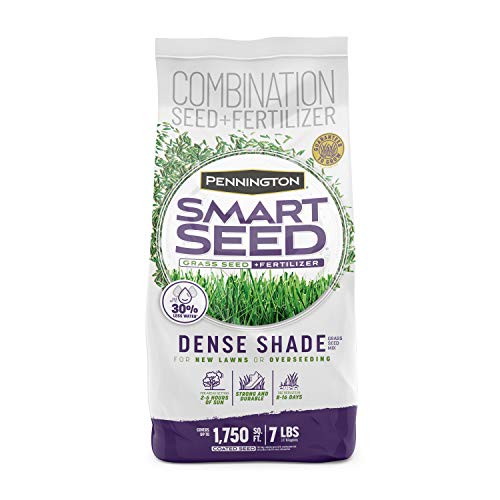
Product overview: This 7-pound mix blends Tall Fescue and Fine Fescue to thrive in shady conditions. It is marketed to help you grow thick, green grass in areas with limited sunlight while including the right amount of fertilizer to support lawn success.
Key features: Tall Fescue and Fine Fescue blend; shade-adapted; fertilizer included for seed-to-soil support. The mix aims to establish a resilient turf quickly in bathrooms of shade and is suitable for patches under trees or along the north side of homes.
Shade performance considerations: Fine Fescue contributes to shade tolerance, but established mowing and irrigation practices influence density. For best results, seed on moderately moist soil and keep seedlings evenly moist until germination occurs. Periodic reapplication may be needed in areas with ongoing shade.
Scotts Turf Builder Grass Seed Dense Shade Mix

Product overview: The Dense Shade Mix is designed for lawns that receive little sun, featuring Root-Building Nutrition to help establish deep roots and a stronger overall lawn. It’s marketed as suitable for full shade to dense shade environments.
Key features: Root-building nutrition; dense shade compatibility; supports deep rooting for durable turf. The blend emphasizes resilience in shady conditions and seeks to reduce patchiness in low-light zones.
Shade performance considerations: Dense shade can limit germination speed; consistent moisture and proper mowing height are important. Use in spring or fall to seed or overseed existing lawns, and avoid heavy foot traffic during establishment.
Scotts Turf Builder Grass Seed Sun & Shade Mix

Product overview: The Sun & Shade Mix combines seeds capable of thriving in both sunny and shaded conditions, with added fertilizer and soil improver. It’s designed for lawns that experience variable light exposure across different parts of the yard.
Key features: Versatile sun/shade tolerance; fertilizer and soil improver included; supports growth in mixed light conditions. Suitable for lawns that require a balanced approach to light and shade, reducing patchy areas due to inconsistent sun exposure.
Shade performance considerations: In areas with persistent dense shade, germination may slow. Consider staggering overseeding efforts and maintaining consistent moisture. For best results, align seeding with favorable temperatures for germination and avoid peak heat stress during establishment.
Buying Guide: Key Considerations for Heavy Shade Lawns
- Shade tolerance: Look for seed blends that explicitly call out dense shade compatibility, typically featuring Fine Fescue, Tall Fescue, or Perennial Ryegrass components known for shade endurance.
- Seed density and coverage: Dense shade mixes often require careful seed-to-soil contact and even distribution. Check bag coverage to estimate how much seed you need for your lawn area.
- Root development: Root-building nutrition and deep-rooted varieties improve drought resilience and soil stability in shaded areas where evapotranspiration is lower but nutrient cycling may be slower.
- Maintenance practices: In shade, mowing height, irrigation patterns, and fertilization timing influence establishment and long-term health. Avoid over-fertilization, which can stress shade-adapted grasses.
- Soil preparation: Conduct a soil test to adjust pH and nutrient levels. Amend compacted soil to improve infiltration, ensuring seeds can establish roots despite limited light.
- Seed timing: Spring and early fall are common windows for cool-season grasses in many regions. Soil temperatures and moisture levels should align with germination requirements for the selected blend.
- Weed management: Shade-tolerant grasses can be vulnerable to weeds in the establishment phase. Maintain clean seedbeds and consider pre-emergent strategies where appropriate.
- Patch repair strategy: For heavily shaded areas, expect some patchiness due to light limitations. Plan for overseeding in subsequent seasons to gradually improve uniformity.
When choosing among these options, consider your yard’s specific shade profile, soil health, and maintenance capacity. A blend that emphasizes shade-tolerant components and robust root development generally offers the best long-term performance in heavily shaded zones. If you have tall trees or large shrubs casting intermittent shade, a mixed approach—combining a dense shade seed with periodic overseeding—can help maintain lawn density without over-reliance on direct sunlight.