Gas powered tillers and cultivators help transform compact, stubborn soil into a loamy, seed-ready bed. This guide presents five reliable options designed for gardens, farms, and plots of varying sizes. Each model balances power, durability, and maneuverability to tackle plowing, tilling, and weed control with minimal fuss. Below you’ll find quick product highlights, features, and practical considerations to help you choose the right tiller for your needs.
| Product | Brand |
|---|---|
| BILT HARD 46cc 4-Cycle 1.9HP Gas Powered Tiller Cultivator | BILT HARD Store |
| Earthquake 31635 MC33 Mini Tiller Cultivator | EARTHQUAKE Store |
| VEVOR Tiller Cultivator Gas Powered, 43CC 2-Stroke | VEVOR Store |
| Gas Powered Tiller Cultivator Rototiller, 52CC 2HP | — |
| STEELITE 16-Inch Corded Electric Tiller | Steelite Store |
BILT HARD 46cc Gas Powered Tiller
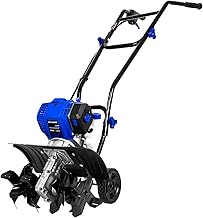
The BILT HARD 46cc 4-Cycle garden tiller delivers robust 1,400W peak power at up to 9,200 RPM, enabling it to break through hard soil with steady performance. Its no-mix fuel system keeps maintenance simple, while precision-balanced engineering reduces vibration and emissions for a more comfortable, eco-friendly experience. A 16″ working width and 8″ tilling depth, supported by 6 steel forward-rotating blades and 4 angled tines, provide efficient soil disruption and finer texture for seedbed prep. The intuitive one-hand control, thumb throttle, and cushioned handle grips enhance maneuverability for plowing, turning, weeding, and ditching across varied terrains.
Key features:
– 46cc 4-stroke engine with 1,400W peak power
– 16″ working width; 8″ tilling depth
– No-mix fuel system; low vibration and emissions
– One-handed control; cushioned grips; adjustable wheels for transport
Earthquake MC33 Mini Tiller Cultivator

Compact but capable, the Earthquake 31635 MC33 uses a 33cc 2-cycle Viper engine with gear drive transmission to offer reliable power in a small footprint. Height-adjustable wheels simplify transportation and depth control, making this model suitable for raised beds and tighter spaces. With a five-year warranty, it emphasizes durability and long-term use. Its design focuses on control and precision, helping users weed, mix soil, and aerate without excessive soil disturbance.
Key features:
– 33cc 2-cycle engine with gear-driven transmission
– Height-adjustable wheels for transport and depth
– On-board controls to reduce bounce and protect plants
– Five-year warranty for added assurance
VEVOR Tiller Cultivator Gas Powered

The VEVOR unit features a 43CC 2-stroke engine designed for efficient garden work. Four front tines and an 11.8″ cultivation width enable thorough cultivation with a 3.9″ depth. The tiller includes an adjustable skid assembly to tailor height and depth, plus 5.8″ drive wheels to ease mobility across uneven surfaces. EPA-certified operation emphasizes environmental friendliness while delivering dependable performance for flower beds, vegetable plots, and small orchards.
Key features:
– 43CC 2-stroke engine; four steel tines
– 11.8″ cultivation width; 3.9″ depth
– Adjustable skid and 5.8″ drive wheels
– EPA-certified for cleaner operation
Gas Powered Rototiller 52CC

This model combines a 52CC two-stroke engine delivering 2 horsepower with a wide 13.78″ tilling width and a deep 1.18-3.94″ till depth. The two-stroke design emphasizes efficiency and quick work times, making it suitable for larger plots or stubborn soil. Built-in design features focus on practical use, including elevated fuel efficiency and simplified maintenance. The broad cutting width supports faster bed preparation while maintaining soil integrity for healthy seedbeds.
Key features:
– 52CC two-stroke engine; 2 HP output
– 13.78″ tilling width; 1.18-3.94″ depth
– Designed for efficiency; easy maintenance
STEELITE 16-Inch Corded Electric Tiller

The STEELITE electric tiller provides a lighter alternative for small to medium garden beds. Powered by a 13.5-amp motor with a 16-inch working width, it can reach up to 8.7 inches in depth, suitable for pre-plant soil preparation and weed management in manageable plots. Six steel tines support durability and steady performance, while a foldable handle aids storage and transport—an attractive option for gardeners with limited space who still require reliable soil cultivation.
Key features:
– 13.5 Amp motor; 16″ working width
– Up to 8.7″ cutting depth; six steel tines
– Foldable handle for compact storage
Buying Guide: Key Considerations for Gas Powered Tillers
- Soil type and bed size: Large plots with heavy clay may require higher torque and deeper tilling; smaller or rocky beds benefit from compact units with adjustable depth.
- Engine type and fuel practicality: Four-stroke engines generally offer lower emissions and easier maintenance than two-stroke models, though two-stroke units can be lighter and more powerful per weight.
- Power and tilling width: Wider widths cover more area quickly but can be harder to maneuver in tight spaces. Balance power with garden layout and physical capability.
- Depth adjustment and tines: Look for adjustable tilling depth and durable tines (steel preferred). More tines (and forward-rotating blades) improve cutting efficiency and soil texture.
- Weight and maneuverability: Heavier tillers deliver more power but require strength to maneuver. Consider models with transport wheels, cushioned handles, and ergonomic controls for repeated use.
- Maintenance considerations: Fuel system design (no-mix vs. mixed oil), air filtration, and ease of starting (electric start options) affect long-term upkeep and reliability.
- Warranty and support: A longer warranty can indicate durability and vendor support, especially for outdoor equipment exposed to harsh conditions.
- Noise and emissions: Evaluate noise levels and environmental impact if you garden near living spaces or in environmentally sensitive areas.
- Storage and space: Foldable handles, compact frames, and weatherproof storage options help preserve performance in off-season months.
- Intended use scenarios: Choose a model that matches your typical tasks—plowing, weed control, or soil aeration—to maximize efficiency and reduce wear.