Bi-color sweet corn combines the creaminess of white kernels with the brightness of yellow, delivering both flavor and visual appeal. This article highlights five notable bi-color sweet corn varieties, ideal for backyard growers and small farms. Explore diverse options—from non-GMO seeds to heirloom-inspired blends—and discover planting tips, growth expectations, and harvest cues to maximize sweetness in your late-summer meals.
| Product | Notes |
|---|---|
| Ambrosia Bi-Color Sweet Corn Seeds | Classic striped ears with creamy-sweet flavor; great in backyard rows |
| Bi-Color Sweet Corn Non-GMO Seeds (Seeds2Go) | High yield, traditional yellow-and-white kernels |
| Peaches and Cream Bi-Color Seeds | Juicy, tender bi-color ears; strong garden performance |
| TomorrowSeeds Providence TripleSweet | Triple-sweet genetics; early harvest window |
| Seed Needs Peaches and Cream Seeds | Hybrid, sugary-enhanced bicolor with early maturity |
Note: All selections are suitable for home gardens and provide a mix of flavor, color, and harvest timing. The following sections detail each option and how it fits into a diverse planting plan.
Ambrosia Bi-Color Sweet Corn Seeds
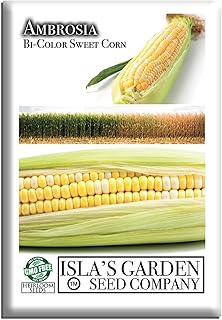
Ambrosia Bi-Color Sweet Corn features creamy-sweet, tender kernels on striped yellow-and-white ears, delivering classic summer flavors with eye-catching color. The warm-season annual thrives in full sun and fertile, well-drained soil, producing sturdy stalks suitable for garden rows, raised beds, and larger plots once soil temperatures warm. Ambrosia’s versatility makes it a kitchen favorite—enjoy fresh off the cob, grilled with butter, or folded into salads and salsas, offering a garden-fresh burst of flavor.
Bi-Color Sweet Corn Non-GMO Seeds (Seeds2Go)

This bi-color corn presents kernels in yellow and white on the same cob, delivering a familiar sweet corn profile with a nuanced color twist. The flavor aligns with standard sweet corn, and growers often report a perception of enhanced sweetness from the color blend. It matures in about 75 days and is noted for high yield, making it a dependable option for gardeners seeking robust production with a classic look.
Peaches and Cream Bi-Color Seeds

Peaches and Cream produces bi-color ears with creamy white and golden-yellow kernels, celebrated for sweet flavor and tender bite. This variety combines classic summer appeal with dependable garden performance, making it a favorite for homegrown meals and seasonal harvests. It thrives in full sun and warm conditions, performing best in nutrient-rich, well-prepared rows or roomy beds where stalks can stand tall. Moderate and consistent watering supports vigorous growth, while mulching helps retain moisture during hot weather.
TomorrowSeeds Providence TripleSweet

TomorrowSeeds Providence TripleSweet delivers exceptional sweetness via triple-sweet genetics, with tender, crisp kernels ideal for fresh eating or cooking. This early harvest variety enables an earlier window to enjoy fresh corn, supporting a longer fresh-use period in the kitchen. While highly productive, it also requires proper pollination practices and warm soil to reach peak sweetness, particularly in cooler springs or shorter growing seasons. This makes it a strong candidate for gardeners seeking early, high-quality yields.
Seed Needs Peaches and Cream Seeds

Seed Needs Peaches and Cream Seeds offer a hybrid, sugary-enhanced (SE) bi-color experience with yellow and white kernels for a dual flavor profile. Early maturity makes this variety suitable for regions with shorter growing seasons, typically reaching harvest around 80 to 90 days after planting. Plant in blocks to enhance pollination, ensuring robust kernels. Soil temperatures should reach at least 60°F for reliable germination and vigorous stalk development.
Buying Guide: Key Purchase Considerations
When selecting bi-color sweet corn varieties, consider these factors to optimize flavor, yield, and growing conditions:
- Growing Season and Maturity: Check days-to-maturity and align with your local climate. Early varieties are advantageous in short-season areas.
- Pollination and Planting Method: Plant in blocks rather than straight rows to improve kernel development through cross-pollination.
- Color and Flavor Profile: Bi-color varieties offer a mix of sweetness and creaminess; taste tests can help you choose preferred profiles for fresh eating or cooking.
- Seed Type: Non-GMO and hybrid seeds have different germination rates and vigor. Choose based on your gardening goals and seed stock.
- Watering and Mulching: Consistent moisture supports kernel size and sweetness; mulching reduces moisture loss in hot weather.
- Space and Trellising: Ensure adequate spacing for stalk height and ear development, especially in raised beds or restricted spaces.
- Storage and Fresh Use: Fresh-picked corn tastes best soon after harvest; consider varieties with larger ears for easier immediate processing.
These considerations help gardeners tailor selections to their region, soil, and harvest goals, balancing color, flavor, and yield across a growing season.