The Camellia japonica April Kiss is a beloved flowering shrub prized for its glossy foliage and late-wpring blooms. This article spotlights five related camellia cultivars, including April Tryst, April Dawn, and Pink Perfection, plus a colorful Tri Color variety and a live starter plant that offers versatile planting options. Each section highlights key features to help gardeners choose plants that suit shade or partial shade, container gardens, or landscape beds across USDA zones.
Summary of selected products:
| Product | Brand | Form | Key Trait |
|---|---|---|---|
| April Tryst Red Camellia | Life Nursery & Garden | Starter Plant | Elegant red anemone flowers; evergreen foliage |
| April Dawn Camellia | Life Nursery & Garden | Starter Plug | Excellent winter hardiness; pink/white double flowers |
| Live Plant – April Kiss Camellia | — | Live Rooted Starter Plant | Compact decor; versatile for patios and interiors |
| Pink Perfection Camellia | Life Nursery & Garden | Starter Plant | Medium pink formal doubles; hardy and evergreen |
| Tri Color Camellia | Life Nursery & Garden | Starter Plant | Variegated blooms; candy-stripe color expression |
April Tryst Red Camellia Japonica

Life Nursery & Garden presents April Tryst, a camellia that prefers slightly acidic soils and filtered sun to partial shade. It thrives in shade gardens, woodland plantings, and large container setups, offering evergreen foliage. The bloom is a medium 4-5 inches, displaying anemone red flowers. This cultivar is hardy in zones 6–10, maturing to about 8-10 feet in height and 6-8 feet in width. It’s suitable for full to partial shade environments.
April Dawn Camellia Japonica

April Dawn is notable for winter hardiness, part of the April Series developed for improved resilience. It’s recommended for year-round outdoor growth in USDA Zone 6. The evergreen shrub typically reaches 5-8 feet tall and about 4 feet wide, with glossy dark green leaves up to 3 inches long. Flowers are fragrant, pink and white, and form a formal double bloom. It’s suited for landscapes that require reliable cold tolerance and ornamental blooms.
Live Plant – April Kiss Camellia Japonica

April Kiss offers lush evergreen foliage and decorative growth suitable for patios, backyards, or interior accents. This live rooted starter plant emphasizes compact beauty and versatility in home landscapes. While marketed as a live plant with fruit-tree style appeal in some listings, it represents a versatile option for adding vivid greenery to mixed planting schemes and container setups. Care aligns with standard camellia needs for partial shade and well-drained, acidic soil.
Pink Perfection Camellia Japonica
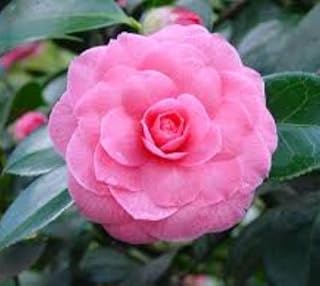
Pink Perfection is a dependable older variety with strong name recognition. It produces medium-sized pale pink formal double flowers in mid-season. The plant has an upright, compact growth habit and evergreen leaves. Mature height ranges from 8-10 feet with a width of 6-8 feet. It prefers shade to partial sun and thrives in hardiness zones 7b-10, making it a versatile choice for shaded borders and hedges.
Tri Color Camellia Japonica
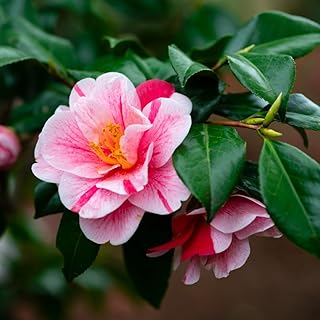
Tri Color Camellia delivers variegated blooms with hues of pink, white, and red, making it a striking addition to any landscape or container garden. The plant is described as vigorous with the ability to grow in some sun and maintain a candy-stripe bloom pattern. It serves well as a standalone specimen, hedge filler, border accent, or container planting, offering a dynamic focal point in shaded or semi-shaded areas.
Buying Guide
Consider these factors when selecting Camellia japonica cultivars for your garden:
- Light requirements: Most camellias prefer partial shade to filtered sun. Avoid full, harsh sun in hot climates to prevent leaf burn.
- Soil and acidity: Camellias thrive in well-drained, acidic soil. Amend with organic matter and mulch to retain moisture and protect roots.
- Hardiness and zones: Check each cultivar’s hardiness range. Zone compatibility ensures winter survival and bloom performance.
- Bloom time and color: Varieties offer different bloom periods and colors. Plan for staggered flowering to extend visual interest through spring.
- Size and growth habit: Consider mature height and width to avoid overcrowding and to fit in beds or containers.
- Container suitability: Many cultivars adapt to large pots with careful irrigation and drainage; ensure container depth matches root system.
- Pest and disease resistance: While camellias are generally resilient, monitor for common issues like scale or leaf spots and provide proper air circulation.
- Maintenance needs: Pruning should be done after flowering to maintain shape and health; avoid heavy pruning that reduces next season’s blooms.
In summary, the options above cover a range of shade tolerance, bloom colors, and growth forms. Whether you seek a vibrant red focal point, a hardy winter performer, or a variegated showpiece, there is a Camellia japonica that fits a variety of American garden settings.