Choosing the right aerator for a walk-behind mower setup helps your lawn breathe, soak up nutrients, and withstand heat and drought. This guide highlights five reliable aerators and dethatchers that pair well with walk-behind mowers and garden tractors. Each product page includes core features, suitability notes, and practical buying tips to aid a confident decision.
| Product | Brand | Key Benefit | Depth Penetration |
|---|---|---|---|
| Agri-Fab 45-0299 | Agri-Fab | Heavy-duty 32 galvanized knives for deep plugs | Up to 3 inches |
| Suchtale 40-Inch | Suchtale | Wide 40″ tow-to-coverage with durable steel | Up to 2 inches |
| YITAMOTOR 40″ | YITAMOTOR | 11 star-shaped knives for thorough penetration | Up to 2 inches |
| Brinly SAT2-40BH-P | Brinly | 3-D tines for strength and depth | Up to 2 inches |
| Brinly PA-482BH-A2 | Brinly | Plug-based aeration with universal hitch | Up to 3 inches |
Each option supports lawn health by creating channels for water and nutrients, reducing thatch buildup, and improving root growth. The following sections profile five top-rated products with practical considerations for walk-behind mower users.
Agri-Fab 48-Inch Tow-Behind Plug Aerator
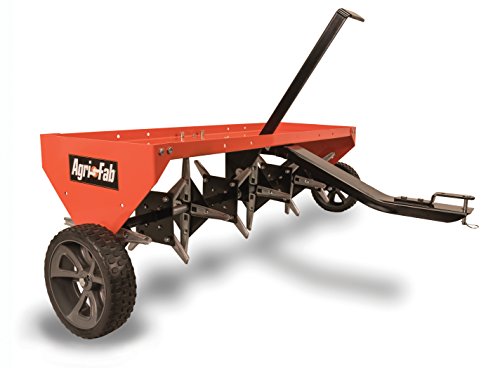
Agri-Fab’s 45-0299 model is built for durability with 32 galvanized knives that penetrate compacted soil, pulling plugs up to 3 inches deep. The universal hitch enables easy towing behind lawn tractors, making it a practical choice for larger lawns. The design emphasizes American-made construction and long-lasting performance, ideal for homeowners seeking aggressive core aeration to enhance turf density and root development.
2-in-1 Dethatcher & Scarifier Electric Walk-Behind

This BUCO TOD 2-in-1 unit combines dethatching and scarifying in one electric tool, offering a 15-amp motor and a wide 16-inch rake path. It includes a 5-position depth adjustment and a 14.5-gallon bag, enabling versatile lawn care and debris removal. While not a plug aerator per se, this tool complements aeration by removing thatch that blocks water and nutrients, helping your soil absorb treatment more efficiently when paired with aeration on your schedule.
Suchtale 40-Inch Tow Behind Spike Aerator

The Suchtale aerator features a 40-inch spread with durable galvanized steel tines and a 2-inch penetration capability. The design emphasizes rust resistance and a sturdy tow setup with a pin-style hitch for rapid attachment to ATVs or riding mowers. Independent tine rotation helps cover uneven ground, reducing the number of passes needed for thorough aeration and improving water and nutrient infiltration in compacted soils.
YITAMOTOR 40″ Tow-Behind Spike Aerator

YITAMOTOR offers an 11-tine star configuration with 8-inch diameter cores and 12-point design, designed to penetrate up to 2 inches. Its universal tow bar enhances stability during turns, and the 10″ transport wheels aid mobility over drives and walkways. The design prioritizes durability with reinforced steel components, making it a solid option for larger yards that require consistent coverage and efficient operation.
Brinly SAT2-40BH-P Tow Behind Spike Aerator
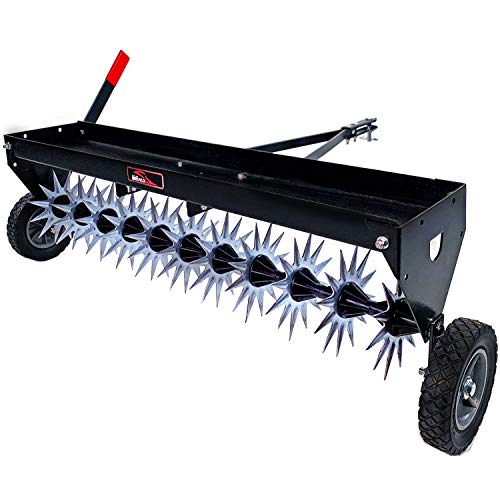
Brinly’s SAT2-40BH-P uses 11-tine stars with 8-inch diameters and 12 spike tips to reach up to 2 inches. The design introduces 3-D tines for added strength and rust resistance, along with a robust all-steel build and a double tow bar for stability. The included weight tray allows for additional ballast to maximize penetration, especially on firmer soils, making it a capable all-around aerator for mid-to-large lawns.
Brinly PA-482BH-A2 Plug Aerator

The Brinly PA-482BH-A2 focuses on plug aeration with 32 heat-treated, 16-gauge steel spoons capable of removing plugs up to 3 inches deep. The design emphasizes a narrow plug profile for easier penetration and improved root access, complemented by a fully enclosed weight tray supporting up to 200 pounds. A single transport lever simplifies moving the aerator over drives and along pathways while maintaining depth stability on varied terrain.
Buying Guide: Key Purchase Considerations
Choosing the right aerator for a walk-behind mower involves balancing soil conditions, lawn size, and equipment compatibility. Consider the following factors:
- Soil conditions: Dense clay soils benefit from deeper plug aeration, while sandy soils prefer shallower penetration to avoid over-loosening.
- Penetration depth: Look for models that reach 1.5–3 inches, aligned with root zone depth and turf type. Deeper plugs often require more weight or ballast, especially on hard soils.
- Wheel and hitch design: Tow bars should securely connect to your mower or tractor. Channel or pin-style hitches offer quick attachment, but confirm compatibility with your equipment’s hitch spacing.
- Number and arrangement of tines: More tines and star configurations create more uniform cores; 8–12 inch cores with multiple tips typically deliver consistent results across the lawn.
- Durability and materials: Galvanized steel and heat-treated spoons resist rust and bending. A robust frame and tow bar reduce fatigue during mowing sessions.
- Weight capacity: Some models include a weight tray; extra ballast can improve penetration but increases overall weight and ground pressure, so balance with mower capability.
- Maintenance: Look for replaceable tines and straightforward assembly. Clear manuals and accessible customer support help with parts and setup.
- All-in-one vs. specialized tools: Dethatchers or scarifiers complement aeration by removing thatch before or after aeration, improving overall lawn aeration effectiveness when used in rotation.
For walk-behind users, the best approach is to select an aerator that provides consistent soil penetration, straightforward attachment to your mower, and reliable durability for regular yard maintenance. Testing on a small lawn section can help gauge depth and coverage before wider use. Prioritize models with good buildup resistance and simple maintenance routines to keep a lawn-care schedule efficient and effective.