Looking for vibrant yellow blooms to brighten your landscape? This guide features five yellow-flowered tree peonies and related yellow peony alternatives that suit a range of gardeners. Each choice is evaluated for climate compatibility, growth habit, and ease of care. The top picks are ideal for ornamental borders, focal plantings, or cutting gardens. The buyers below include a mix of living plants and durable artificial options for those seeking year-round color without upkeep.
Quick comparison table of selected products
| Product | Best For | Key Benefit |
|---|---|---|
| Yellow Crown Itoh Peony Bare Root | Gardeners wanting a true living Itoh tree peony | Large yellow blooms with robust growth |
| SmartMe Bartzella Itoh Tree Peony | Bold flowering plant with reliable yellow blooms | Shorter, compact growth habit |
| Utopia Seeds Yellow Ranunculus Corms | Spring flowering bulbs in yellow | Bright yellow clusters, easy care |
| Bartzella Itoh Tree Peony | Existing plant collections and borders | Big, showy yellow petals |
| Briful Yellow Peony Silk Bouquet | Year-round color indoors or for decor | Realistic, long-lasting silk blooms |
Yellow Crown Itoh Peony Bare Root

This bare-root Itoh tree peony is a true living plant designed for established gardens. It reaches up to 36 inches tall and 32 inches wide, delivering bold yellow blooms once established. Best for garden beds and borders where a sturdy spring display is desired. The crown should be planted with buds at least 1 inch below ground level, after digging a wide hole to spread the roots without bending them. Water thoroughly after planting and plan for at least six weeks before ground freezes. Best for gardeners who want a long-term, perennial focal point with dramatic spring color.
Who it’s best for: Homeowners seeking a reliable, woody-stemmed yellow flowering specimen that can anchor a border or serve as a centerpiece in a sun-to-partial-shade location.
Why selected: It combines classic Itoh vigor with bright yellow tones and a moderately compact form, making it suitable for medium-sized gardens and mixed borders.
Note: As with most Itoh peonies, flowering depends on climate and winter chill. It may take a season or two to establish full bloom after planting.
SmartMe Bartzella Itoh Tree Peony

The SmartMe Itoh tree peony is an Itoh (intersectional) hybrid offering bright yellow blossoms. Described as a short Itoh, it is suited for garden beds with good sun exposure and well-drained soil. The plant is marketed as a flowering specimen with 2-3 eye bareroot stock, aiming to produce vibrant yellow blooms in late spring to early summer. This option is ideal for gardeners prioritizing a bold, shrubby look with reliable spring color in a compact footprint.
Who it’s best for: Gardeners needing a smaller yellow-flowered Itoh that fits into tighter spaces and containers with appropriate winter protection.
Why selected: It offers a visually striking yellow display without requiring a large space, making it better for patios or small borders.
Caution: As a bare-root purchase, establishment depends on proper planting and moisture management in the weeks after delivery.
Utopia Seeds Yellow French Peony Ranunculus Corms

This product offers 12 yellow ranunculus corms in the largest available size, suitable for spring color and cut flower arrangements. While not a true tree peony, ranunculus produce eye-catching yellow blooms that complement other early bloomers. Plants typically reach 12″-15″ tall and are a long-time favorite for bouquets and borders. Best for gardeners seeking bright, airy flowers with prolific bloom in the spring and easy-care corms that can be planted in beds or containers.
Who it’s best for: Gardeners wanting vibrant spring color with quick bloom potential, especially for cut flower use.
Why selected: Excellent for early-season display and versatility in beds or containers.
Limitation: Ranunculus corms require specific planting depth and soil moisture; they may not perform as long-term perennials in every climate.
Bartzella Itoh Tree Peony

Bartzella is a classic Itoh tree peony known for large yellow blooms and a strong, bushy habit. Suitable for USDA Zones 3-8, it grows to a mature height of about 32-34 inches with late-spring to early-summer bloom. This option is a strong choice for border plantings and specimen beds where a dramatic, long-lasting display is desired. It pairs well with other perennials and complements cool-season foliage colors.
Who it’s best for: Gardeners seeking a mature, reliable yellow flowering peony with substantial spring interest and a wide blooming period.
Why selected: The size and bloom impact make it a standout for larger borders and focal garden features.
Limitation: Requires cold dormancy to perform at peak, so warm-winter regions may see slower or shorter bloom cycles.
Briful Yellow Peony Silk Bouquet
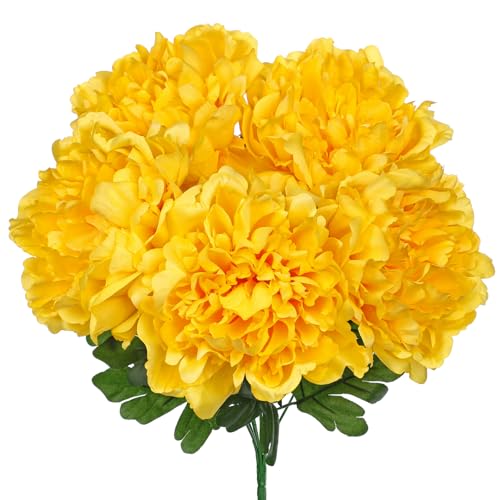
The Briful bouquet features five large, fully bloomed silk peony heads in a realistic yellow tone. It stands about 15.7 inches tall and 12.9 inches wide, designed for medium to large vases or as a centerpiece in weddings, offices, or home decor. The stems are flexible and detachable, allowing easy shaping or rearrangement for DIY projects. Best for immediate color without gardening work and for decorative displays in any season.
Who it’s best for: Decor-focused buyers seeking a long-lasting, maintenance-free alternative to live flowering plants.
Why selected: Realistic appearance and versatile display options make it a practical choice for interior design and event styling.
Limitation: Not a living plant; color and texture may differ from real blooms, and care is purely aesthetic.
Buying Guide: Key Purchase Considerations
- Climate and hardiness: Tree peonies require winter chill for best bloom. Check USDA zones and local climate compatibility for Itoh varieties.
- Plant type and space: Decide between living Itoh tree peonies for borders and borders, or artificial bouquets for indoor decor or low-maintenance setups.
- Growth habit and spacing: Consider eventual height and width. Provide sufficient space for growth and air circulation to prevent disease.
- Soil and sun exposure: Most peonies prefer well-drained soil and full sun to light shade. Ample sun improves bloom production.
- Planting technique: Bare-root peonies need proper depth and root spreading. Water deeply after planting and monitor moisture during establishment.
- Maintenance: Live peonies need minimal pruning; remove spent blooms and provide support if heavy flowering occurs. Silk bouquets require dusting or gentle cleaning to maintain appearance.
- Flowering timeline: Itoh peonies bloom in late spring to early summer; ranunculus corms typically bloom in spring. Plan color progression accordingly.
Frequently Asked Questions
- Are yellow tree peonies easy to grow? Yes, when planted in appropriate soil, sun, and climate conditions. Many varieties demand well-drained soil and adequate chilling for best bloom.
- Can I plant bare-root peonies in containers? Bare-root Itoh peonies are best suited for in-ground planting where roots can spread. Containers may limit growth and require extra care.
- When should I plant bare-root peonies? Ideally in late fall or early spring before new growth begins, allowing roots to establish before extreme weather.
- Do artificial yellow peonies require special care? No watering or soil requirements are needed for silk bouquets, but gentle cleaning helps preserve the look over time.
- Will yellow peonies attract pests? Live peonies can attract common garden pests; monitor plants and use appropriate pest management if needed. Silk arrangements are pest-free.
- Which option is best for a small garden? Itoh peonies like Bartzella or compact cultivars fit better in smaller spaces, while artificial bouquets fit indoors where no garden space is available.