Winter roosting boxes provide safe, insulated refuges for backyard birds during cold months. This guide reviews top options designed to protect small songbirds and cavity nesters from wind, rain, and predators while offering comfortable warmth. Each entry highlights construction quality, insulation, predator guards, and ease of cleaning. Use these boxes to support local wildlife, encourage year-round bird activity, and create inviting backyard habitats.
Summary of Selected Products
| Product | Brand |
|---|---|
| Woodlink Cedar Winter Roosting/Shelter Box | Woodlink |
| Small Winter Roost Bird House – Cold Weather Shelter | Coveside |
| Convertible Winter Roost & Birdhouse | Coveside |
| Mounted Downy Woodpecker Bird Nest House | Coveside |
| 3/4 inch Thick Cedar Bird Houses with Metal Predator Guard | ReTang |
Woodlink Cedar Winter Roosting/Shelter Box
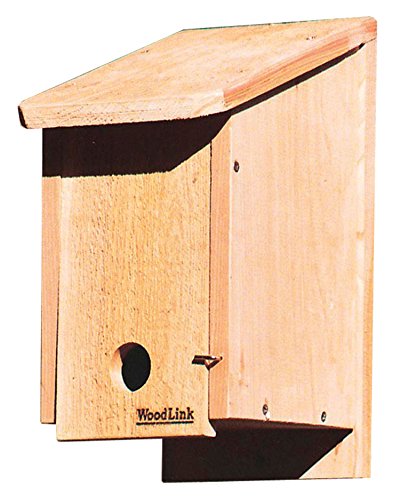
The Woodlink Cedar Winter Roosting/Shelter Box provides a dedicated winter roosting space for smaller songbirds. Its 1-9/16 inch entrance hole offers access while helping deter larger predators. The design emphasizes shelter from rain, snow, and harsh winter winds. Constructed from re-forested, kiln-dried inland red cedar and fastened with screws, this box focuses on durability and long-term weather resistance in outdoor environments.
Small Winter Roost Bird House – Cold Weather Shelter
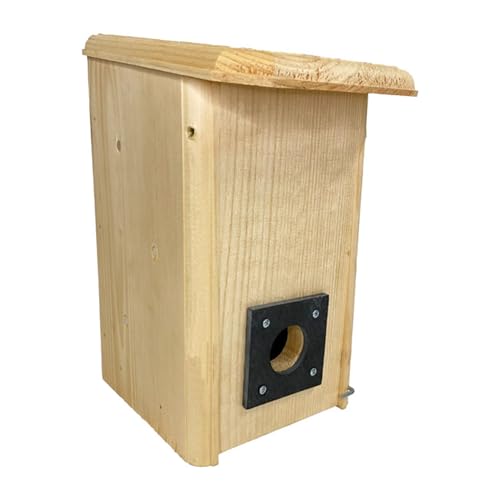
The Small Winter Roost Bird House from Coveside offers a warm, insulated refuge during freezing weather, supporting wrens, chickadees, titmice, and bluebirds. The design includes three internal perches for communal roosting, maximizing warmth conservation. A slate predator guard reinforces the 1.5″ entrance to deter squirrels and woodpeckers, helping protect preferred roosting sites and increasing winter survival potential for small birds.
Convertible Winter Roost & Birdhouse
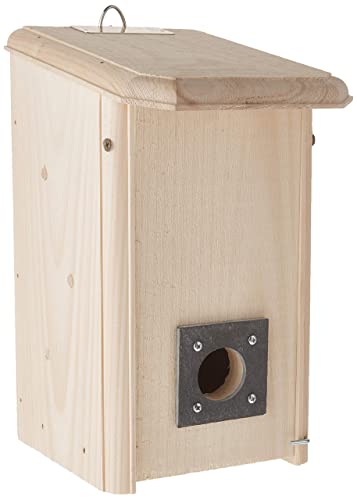
The Convertible Winter Roost & Birdhouse combines winter roosting and spring nesting in one unit. Its 1″ thick Eastern White Pine offers strong insulation and durability, keeping birds warmer through cold spells. In winter, use the roost setup with perches and a bottom vent slot; in spring, flip the reversible front panel and remove perches to create a nesting box. This 2-in-1 design supports seasonal needs without requiring separate housings.
Mounted Downy Woodpecker Bird Nest House
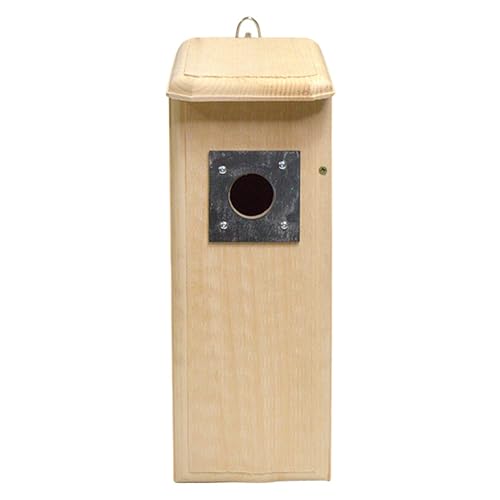
Specifically designed for Downy Woodpeckers, this birdhouse uses Eastern White Pine and includes a slate guard to deter entry enlargement by squirrels. It doubles as a winter roost box and offers a dependable spring nesting space, with wood chips included to simulate natural cavity conditions. The unit emphasizes durability for outdoor use across the eastern U.S. range.
Cedar Wood Open Nesting Box – Cardinal Swallow

This cedar nesting box doubles as an open nesting box with a shelf-like design and a bonus suet cake feeder. Built from premium cedar, it’s weatherproof and suitable for a variety of backyard species including cardinals, blackbirds, robins, and woodpeckers. The product delivers a versatile habitat that can function as both a nesting box and a bird feeder station, appealing to multiple bird communities.
Hamiledyi Hanging Grass Birdhouses

These hanging grass birdhouses provide a natural roosting pocket for various songbirds. Made from 100% natural materials, they offer refuge from storms, wind, and cold. Suitable for lovebirds and other small passerines, they feature natural ventilation and drainage. The lightweight, grass-woven construction blends with garden settings while delivering essential warmth and shelter during harsh weather.
Songbird Essentials Hanging Grass Roosting Pockets

These hanging grass roosting pockets combine natural reed grass and cedar for resilience against decay. They are designed to be more bird-friendly for entering and exiting, with rough surfaces encouraging nesting material to cling on the inside. They are especially beneficial for non-migrating songbirds during the winter, providing essential shelter from wind, rain, and cold.
3/4 Inch Thick Cedar Bird Houses with Metal Predator Guard

This cedar bird house features a 3/4 inch thick construction with a metal predator guard for added protection. It is designed for easy cleaning and inclusion in outdoor setups, suitable for bluebirds, wrens, chickadees, and other small cavity nesters. The robust cedar build offers durability in winter conditions while providing a safe roosting and nesting space.
Buying Guide: Key Purchase Considerations
- Intended species and entrance size: Choose boxes with entrance holes sized for target species to minimize predation and keep out larger birds.
- Insulation and ventilation: Proper insulation helps birds endure cold spells, while ventilation slots prevent overheating on milder days.
- Predator protection: Squirrel guards, slate guards, and predator-resistant latches extend the life of the roost and nesting cavity.
- Durability and materials: Cedar and high-quality pine resist weathering; ensure screws and joints are corrosion-resistant for longevity.
- Cleaning and maintenance: Removable panels or easy-access designs reduce maintenance effort and improve hygiene.
- Versatility: Some units offer dual purposes (roosting in winter, nesting in spring). These can save space and reduce clutter in outdoor spaces.
- Placement considerations: Mounting height, shading, and protection from prevailing winds influence roosting success.
- Native species support: Prioritize boxes that align with your regional bird populations and habitat needs.
- Monitoring and safety: Avoid interior finishes or materials that could irritate birds; ensure smooth perches and interior surfaces.
- Maintenance schedule: Plan seasonal checks for cleaning, sealant reapplication, and guard integrity to maximize lifespan.
In summary, selecting winter roosting boxes requires balancing insulation, durability, predator protection, and adaptability to seasonal needs. The featured products cover a range of materials and designs—from cedar and pine constructions to modular 2-in-1 roost-and-nesting options—so you can tailor a setup to local birds and regional climates. For best results, combine multiple roosting sites at different heights and orientations to attract a wider variety of species while supporting their winter survival strategies.