Looking for a reliable winter roosting box? This guide highlights five top options ideal for small songbirds during cold months. Each entry explains who benefits most, why it stands out, and a practical caveat. Use these details to choose the right shelter for wrens, chickadees, bluebirds, and other small visitors in your yard. Whether you want durable cedar, insulating pine, or recycled plastic, you’ll find a model that balances protection, accessibility, and ease of maintenance. The table below compares key attributes at a glance.
| Product | Material | Best For | Entry Size | Notes |
|---|---|---|---|---|
| Cedar | Small songbirds needing shelter from wind | 1-9/16 in. | Natural cedar; predator protection | |
| Pine | Chickadees, wrens, titmice, bluebirds | 1.5 in. | Three perches; slate predator guard | |
| Recycled plastic | Year-round durability in all weather | Not specified | Clear viewing panel; ventilation | |
| Natural pine | Bluebirds, wrens, chickadees | 1.5 in. | Metal predator guard; built-in mesh floor | |
| Natural wood with copper guard | Bluebirds, wrens, swallows | 1.5 in. | Easy to assemble; robust guard |
Woodlink Cedar Winter Roosting/Shelter Box
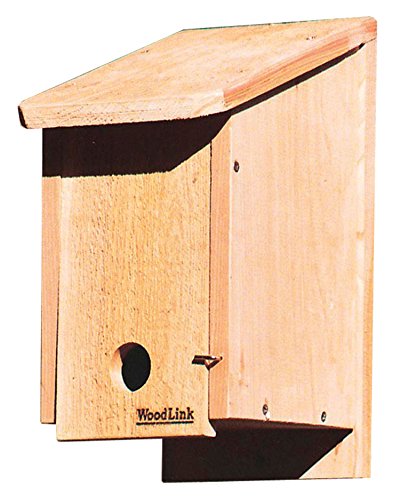
Best for: Small songbirds seeking winter shelter. This box uses kiln-dried inland red cedar and includes a 1-9/16 inch entrance, providing a snug entry that deters larger species. It protects against rain, snow, and harsh winds, and its screw-fastened construction offers durability in cold climates. Choose this if you want a natural-wood roost box with predator protection and long-lasting outdoor use.
Why selected: Cedar construction resists moisture, and a smaller entrance reduces risk from larger nest predators. The design emphasizes shelter as well as straightforward maintenance with visible screws for easy cleaning or replacement.
Caution: Cedar boxes require proper mounting height and ventilation considerations to avoid overheating on mild days. Regular cleaning is recommended to prevent mold buildup in damp winters.
Small Winter Roost Bird House – Cold Weather Shelter
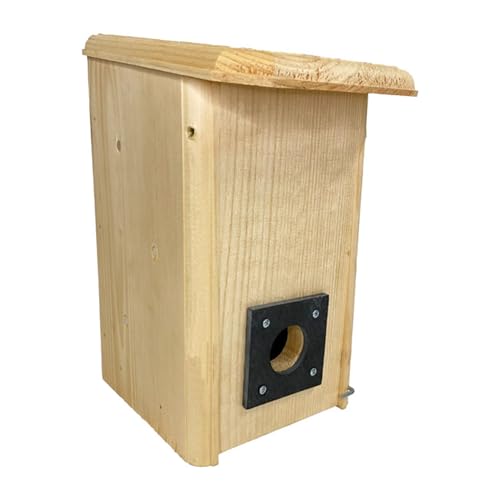
Best for: Chickadees, wrens, titmice, bluebirds seeking a communal roost. This insulated pine roost offers a warm refuge during freezing conditions and includes three internal perches to accommodate six or more birds at once. The slate predator guard shields the opening from squirrels and woodpeckers, enhancing nesting safety.
Why selected: Group roosting design helps conserve body heat, improving survival in winter. The slate guard adds a robust, natural barrier against common entrance enlargements.
Caution: The unit is pine-based, so it may require periodic maintenance to prevent cracking in extreme cold. Ensure secure mounting to resist strong winds.
Kingsyard Recycled Plastic Bird House

Best for: Year-round use with minimal maintenance. Made from high-quality recycled plastic, this house resists rain, snow, and sun, reducing wear over time. It includes a transparent viewing panel on the side, allowing observation without disturbance and ventilation holes to maintain airflow.
Why selected: The durable material and easy cleaning appeal to busy gardeners who want longevity and simple inspection. The viewing panel is a plus for observers who enjoy watching nesting habits from a distance.
Caution: Some users may prefer a natural wood look; plastic boxes can feel less authentic to wildlife watchers. Ensure the interior fits typical small-songbird dimensions to avoid crowding.
Gtongoko 2 Pack Bird Houses

Best for: Bluebirds, wrens, chickadees, and finches seeking a sturdy wooden shelter. The pair includes a 1-1/2 inch entrance hole with a metal guard to prevent predators from enlarging the opening. Built-in mesh floor and ventilation design support safe fledgling emergence and healthy nesting.
Why selected: Durable natural pine construction withstands weather, while the metal guard provides strong predator protection. The mesh floor facilitates safe fledgling egress when time comes to leave the nest.
Caution: Assembly is required; follow manufacturer instructions to ensure proper vent placement and drainage. Regular cleaning is recommended to maintain hygiene and nesting success.
ColorfulLaVie Copper Guard Bird House

Best for: Aesthetically pleasing option that still prioritizes fledgling safety. The copper predator guard helps deter predation at the entrance, while the 1-1/2 inch entry accommodates common small species such as bluebirds and wrens.
Why selected: This design combines visual appeal with practical protection and straightforward assembly. Copper guards add a durable, long-lasting deterrent against chewing damage and predation.
Caution: Copper guards may require periodic inspection to ensure no loosening or warping. The natural wood tone may weather differently in shaded versus sunny yards.
Buying Guide
What material should I choose?
- Wood (cedar or pine) offers natural insulation and a familiar look. Cedar resists rot but may require more maintenance; pine can be less durable but is easy to work with.
- Recycled plastic stands up to weather with minimal upkeep but may be less attractive to some birds and observers.
How big should the entrance be?
- Most small species use 1-1/2 inch to 1-9/16 inch openings. A smaller entrance reduces predator risk but can limit the species that use the box.
Is predator protection important?
- Yes. Look for metal or slate guards around the entry or predator guards that deter enlargement of the hole by squirrels or woodpeckers.
How easy is cleaning and maintenance?
- Removable bases, hinges, or screw-fastened panels simplify cleaning. Boxes with removable bases or easy access win high marks for maintenance.
What about placement and mounting?
- Mount boxes at appropriate heights (typically 5–12 feet) and away from heavy shade to reduce dampness. Ensure stability against wind and wildlife interference.
FAQ
- What species are best served by winter roost boxes? Small songbirds such as bluebirds, chickadees, wrens, titmice, and nuthatches.
- Should I insulate a roosting box for winter? Insulation can help in extreme cold, but ensure ventilation to prevent condensation.
- How often should I clean a roosting box? Clean annually or after nesting season to reduce disease risk and pests.
- Can multiple birds share a roosting box? Some designs accommodate communal roosting; ensure the interior is sized for your target species.
- What is a predator guard and why is it important? A guard protects the entrance from enlarging holes caused by squirrels and woodpeckers, improving fledgling safety.
- Are roost boxes safe for year-round use? Yes, many boxes are designed for all-season use but may require seasonal adjustments to ventilation and moisture control.