Finding the right mix for wild game food plots starts with matching seed blends to your goals: attracting deer, turkeys, quail, or a broader range of wildlife; enduring drought; and ensuring reliable re-growth after grazing. The five picks below are chosen for year‑round appeal, soil resilience, and practical use in American habitats. This guide explains who each product is best for, why it was selected, and one key limitation to consider before planting.
Hale Habitat & Seed Perennial Food Plot Mix

This perennial blend combines clovers, alfalfa, and chicory to provide a long-lasting forage source. It is designed for deer and other wildlife, with high-protein forage to support herd health and antler growth. The mix is known for strong establishment and good re-growth after grazing, offering a dependable year‑round food source in high‑traffic areas. Best for: land managers seeking a durable, low‑maintenance perennial plot that replenishes itself and attracts deer consistently. Caution: perennials require proper initial seeding and soil preparation to ensure establishment.
OrOlam Food Plot 18 Mix

An 18‑seed mix designed to feed whitetail deer and waterfowl while also supporting pollinators. The blend includes high‑protein forage that can help sustain herd health and growth. It’s a versatile option for hunters and habitat managers who need a diverse, fast‑growing plot. Best for: quick establishment with a robust, multi‑species attractant that provides varying months of forage. Caution: as with high‑protein mixes, soil fertility and moisture availability influence performance across seasons.
Whitetail Hill Dove and Quail Mix (1/3–1.5 Acres)
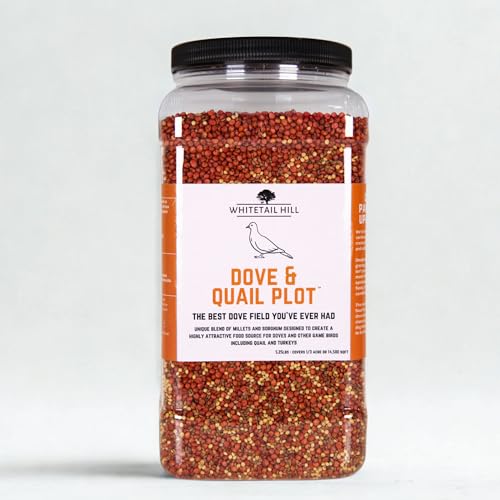
This seed mix emphasizes millet and sorghum to create both cover and forage, with deer browse resistance and drought tolerance. It’s suited for game birds and ground-dwelling wildlife, particularly in mixed habitat plots. Best for: producers seeking a bird-friendly mix that also helps deer browse protection while building cover. Limitation: the product is touted for a wide range of acreage, so site preparation and spacing will affect outcomes on smaller plots.
Whitetail Hill Dove and Quail Mix (1.5 Acres)

Another Whitetail Hill option, designed for the same dove and quail emphasis with similar components, but sized for larger plots. It supports cover alongside forage, which can reduce edge effects and provide habitat for game birds. Best for: large plots where the aim is to maximize seed variety and cover for multiple species. Caution: larger acreage may require more maintenance and fertilization to sustain diverse growth across seasons.
OrOlam 1 Lb Wild Game Plot Mix

This smaller bag focuses on a high‑protein forage mix suitable for quick, short plots or test beds. It targets whitetail deer, geese, and other wildlife, making it a flexible option for first‑time plotters or those with limited space. Best for: trying a compact, protein-rich blend before expanding larger plots. Limitation: a 1 lb bag may not cover substantial acreage, requiring multiple purchases for larger projects.
Wild Game Sorghum Seeds (CZ Grain Milo) 1 Lb

Premium sorghum seeds suited for early‑season forage and attracting game birds. Sorghum is a fast‑growing option that blooms mid‑season and provides cover while serving as an energy source for deer and birds. Best for: early to mid‑season plots in warm climates needing fast establishment. Caution: sorghum can attract certain birds that may strip plants in late summer; consider companion species or staggered planting to mitigate this.
Buying Guide for Wild Game Food Plots
- Plot size and goals: Match seed mix density to acreage and whether the aim is deer attractant, bird habitat, or a combination. Perennials reduce replanting, while annuals offer fast results.
- Soil and moisture: Most blends prefer well‑drained soil and adequate moisture in the establishment period. Add lime or fertilizer as needed based on soil tests to optimize germination.
- Seasonality: Consider when you plan to hunt or manage. Early spring plantings favor deer forage, while late-summer mixes support birds and late-season deer movement.
- Species diversity: A mix with forbs, legumes, and grasses supports broader wildlife and reduces forage depletion risk from grazing pressure.
- Maintenance needs: Perennial blends require less replanting but may need mowing or grazing management. Annuals demand replanting but can be tuned to seasonal goals.
- Risk and limits: Some blends are better for drought tolerance, while others require consistent rainfall. Include cover and protection to reduce seed loss to birds or grazing pressure.
Quick comparison of selected products
- Best for deer health and long-term habitat: Hale Habitat & Seed Perennial Mix.
- Better for quick establishment and multi‑species forage: OrOlam Food Plot 18 Mix.
- Choose this if you want a dedicated cover and forage seed blend for birds and deer in mid‑size plots: Whitetail Hill Dove and Quail Mix (1/3–1.5 Acres).
- Good option for large plots and bird habitat with a similar component mix: Whitetail Hill Dove and Quail Mix (1.5 Acres).
- Ideal for testing small plots or limited spaces with a protein-first approach: OrOlam 1 Lb Wild Game Plot Mix.
Frequently Asked Questions
What is the best seed mix for deer attraction?
Perennial blends with clover, alfalfa, and chicory, like Hale Habitat & Seed, provide long-lasting forage that deer can browse throughout the year.
When should I plant wild game seeds for best results?
Timing depends on climate and region, but early spring or early fall plantings are common in many parts of the U.S. to maximize establishment and forage during hunting seasons.
Can I mix these products in the same plot?
Yes, combining mixtures can enhance diversity and support multiple wildlife species. Plan spacing and mowing to prevent overcrowding and encourage germination.
Do these mixes require fertilizers?
Soil‑fertility testing helps decide if lime or fertilizer is needed. Most blends benefit from balanced nutrients during establishment and growth periods.
Which blend is best for drought tolerance?
Blends that include drought‑tolerant forbs like chicory or certain sorghum‑based mixes tend to perform better in drier conditions.
Summary of Selected Products
| Product | Best For | Main Benefit | Notes |
|---|---|---|---|
| Deer attractant, year‑round forage | Long‑lasting, high protein | Excellent establishment; needs initial soil prep | |
| Quick establishment, multi‑species forage | High protein, supports pollinators | Versatile; suitable for varied wildlife | |
| Birds and deer habitat | Cover plus forage with drought tolerance | Good for mixed habitats | |
| Small plots or test beds | Protein‑rich forage | Limited area coverage per bag | |
| Early season forage for deer and birds | Fast‑growth, energy source | Bird‑prone late season; plan companion plantings |
These selections are intended to help American buyers compare practical options for wild game plots. The blends emphasize deer nutrition, bird habitat, drought tolerance, and ease of establishment. Use this guide to choose a primary goal, then match a few blends to create a cohesive, multi‑season food plot strategy.