Choosing the right white shade cloth can help protect plants from intense sun while preserving airflow and light diffusion. This guide highlights five top-rated options that balance UV protection, durability, and ease of installation. Each product covers common gardening needs—from seedling protection to greenhouse shading—so you can select the best cloth for your climate and garden layout.
Summary of selected products:
| Product | Shade Level | Size | Typical Use | Brand |
|---|---|---|---|---|
| Farm Plastic Supply White Shade Cloth | 50% | 6′ x 10′ | Garden shade, privacy, wind screen | Farm Plastic Supply |
| Coolaroo 50% Garden Shade Cloth | 50% | 6′ x 15′ | Seedlings, greenhouse, early growth | Coolaroo |
| MECCANIXITY Garden Shade Cloth | Unknown exact percent; white mesh | 2m x 1m | Heat mitigation, diffusion, ventilation | MECCANIXITY |
| YAEGER White Shade Cloth | 55% | 10′ x 20′ | Greenhouse, patio shading | YAEGER |
| Kynthyre 90% White Shade Cloth | 90% | 6.6′ x 10′ | High sun areas, patios, greenhouses | Kynthyre |
Farm Plastic Supply White Shade Cloth – 50%
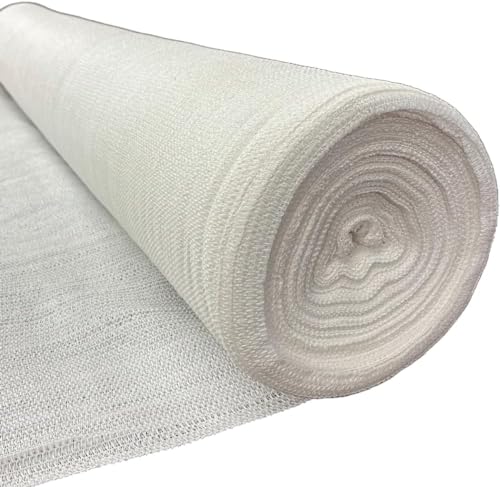
The Farm Plastic Supply shade cloth is designed for versatility in outdoor settings. Its white shade fabric can serve as a privacy screen for chain-link fences, a shade cover for gardens, pergolas, decks, or other sunny areas. The woven mesh pattern offers durability for long-term use, while the cloth blocks up to 50% of sunlight to reduce heat buildup in plant beds. UV inhibitors are built into the material to extend life, letting homeowners install and leave the cloth in place for years without compromising mesh quality. This option is suitable for greenhouse coverings in appropriate climates and provides a straightforward cut-to-size installation for custom spaces.
Coolaroo 50% UV Block Garden Shade Cloth

Coolaroo’s shade cloth is engineered to shield delicate plants from the sun while maintaining airflow. A 50% UV block helps protect seedlings, herbs, and early growth stages from overheating and sunburn. The fabric is tear- and fray-resistant, made from HDPE to hold up under sun, rain, and season-long garden use. Its breathable design supports photosynthesis and moisture evaporation, promoting healthy root and leaf development. The 6′ x 15′ roll format makes it suitable for larger beds, greenhouse sections, or extended garden rows. This cloth is well-suited for gardeners seeking reliable shade without sacrificing airflow.
MECCANIXITY Shade Cloth with Grommets

MECCANIXITY offers a white shade cloth sized 2 meters by 1 meter with grommets for easy mounting and adjustable tension. The material is lightweight polyethylene, providing heat diffusion and ventilation to prevent heat buildup while maintaining essential light quality for plant growth. This cloth is described as suitable for gardens, greenhouses, nurseries, patios, balconies, and even pool areas, making it a versatile option for small spaces or temporary shade structures. The product emphasizes simple installation, making it a practical choice for DIY garden shading projects and quick sun protection upgrades.
YAEGER White Shade Cloth – 55%
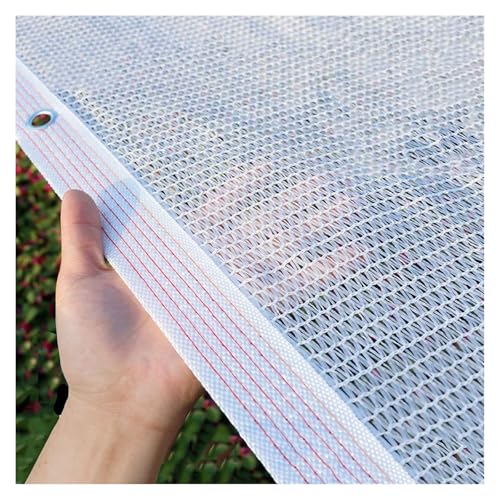
YAEGER’s shade cloth offers a 55% shade rate, designed to keep air circulating while reducing sun exposure for greenhouse plants, patio herbs, and balcony arrangements. The cloth is described as easy to clean with a garden hose, which aids maintenance in dusty or pollen-heavy environments. It features reinforced copper grommets and 6-stitch sides for added durability against tearing and wear. This product is positioned for users who need reliable shade with straightforward installation and durability across multiple growing seasons.
Kynthyre 90% White Shade Cloth
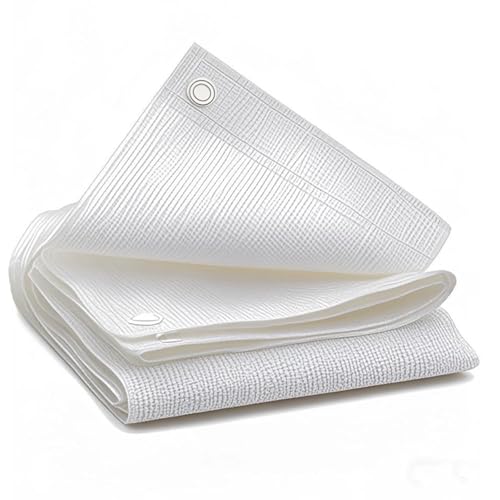
This high-coverage option from Kynthyre provides a 90% shading rate, ideal for areas with strong sun exposure where extreme heat protection is needed. The cloth is made from high-quality HDPE, offering weather resistance, UV stability, and abrasion resistance for long-lasting performance. Its installation is facilitated by grommets in the corners, enabling quick attachment to ropes, hooks, or supports. This cloth is suitable for patios, greenhouses, and outdoor workspaces, where maximizing shade is a priority while maintaining airflow is still important for plant health.
Buying Guide: Key Purchase Considerations
When selecting a white shade cloth for plants, consider several factors to ensure you choose a product that matches your climate, garden layout, and plant needs.
- Shade percentage: Higher percentages provide more sunlight blockage but reduce heat more. For seedlings and delicate plants, 40–60% is common; for hotter climates or full-sun spaces, 70–90% may be necessary.
- Material and durability: Look for UV-stabilized HDPE or similar weather-resistant fabrics. Reinforced edges or grommets help with durability and secure mounting over time.
- Grommet spacing and setup: Grommets at corners and along edges support easy installation with rope, ties, or hooks. Ensure the cloth’s size matches your mounting area with room for tension.
- Ventilation and airflow: Choose cloths that balance shade with air movement to prevent heat buildup and to support plant transpiration and gas exchange.
- Light diffusion versus light transmission: Some cloths diffuse light to reduce hotspots and create even shading across plant canopies, while others preserve more direct light. Consider plant type and growth stage.
- Ease of maintenance: Washability, hose-clean capability, and resistance to tearing are practical for busy gardens, especially in windy or dusty environments.
- Size and coverage options: Measure your greenhouse, beds, or patio to determine the best cloth width and length. Many products come in rolls or panels that can be cut to fit your space.
- Application versatility: If you need both garden shading and privacy, select a cloth that doubles as a fence cover or wind screen to maximize value.
- Cost and longevity: While higher shade percentages and tougher fabrics may cost more upfront, the extended lifespan and fewer replacements can improve long-term value.
Comparative Considerations
For small spaces or seedling protection, a 40–55% shade cloth is typically sufficient and easier to handle. In greenhouse environments or regions with intense sun, 70–90% shade cloths may be more effective, though plant varieties and growth stages should guide the exact choice. Cloths with strong grommets and reinforced stitching tend to endure harsher climates and frequent wind exposure. If you plan to reuse the shade cloth across seasons, invest in UV-stabilized materials that resist fading and material degradation. Finally, verify whether a cloth blocks UV rays effectively while maintaining essential photosynthetically active radiation for your plants’ health.
Across the options listed, the five choices above offer a blend of shade levels, materials, and installation features to suit a range of American garden setups—from rural backyards to urban balconies and greenhouse corners. Each product emphasizes durability, ease of use, and protective shading without compromising airflow, which is essential for plant vitality in sunny conditions.