Choosing the right wheat berry seeds can influence harvest quality, flavor, and yield. This guide highlights five top-rated options ideal for planting in American gardens and small farms. From hard red spring wheats prized for protein and dough strength to ancient einkorn varieties and reliable Hard White wheats, these seeds offer a range of purposes—grain production, baking quality, or dual-purpose cover crops. Each entry includes core attributes, growing notes, and links to trusted Amazon listings so you can compare at a glance.
| Product | Brand | Seed Type | Key Benefit |
|---|---|---|---|
| All Good Things Organic Seeds Hard Red Spring Wheat Seeds for Planting | All Good Things Organic Seeds | Hard Red Spring Wheat | High protein; versatile for grinding and dough handling |
| PowerGrow Organic Wheatgrass Seed | PowerGrow Systems | Wheatgrass Seed | Premium USA grown; bulk 5 lb for microgreens and juice |
| Grain, Wheat – Hard White — 1 Oz | Mountain Valley Seed Company | Hard White Wheat | Open-pollinated, high germination; ideal for flour and cover crops |
| Unhulled Organic Einkorn Grain Seeds | Mountain Valley Seed Company | Einkorn (ancient wheat) | Heritage, unhulled for full maturity planting |
| Plant Good Seed Organic Hard Red Spring Wheat Seeds for Planting | Plant Good Seed | Hard Red Spring Wheat | High protein; organic, non-GMO, open-pollinated |
Note: The list emphasizes varieties with strong germination, clear agronomic notes, and proven performance for planting and harvest. Always check local growing conditions and climate suitability when selecting seed stock.
All Good Things Organic Seeds Hard Red Spring Wheat Seeds for Planting

These hard red spring wheat seeds are a versatile grain with higher protein content than many winter wheats, making them suitable for grinding and dough development. They blend well with white winter wheats to improve dough handling. The seeds are certified organic, non-GMO, heirloom, untreated, and open-pollinated, with germination testing to ensure viability. They also attract pollinators, supporting a healthy garden ecosystem. Growth generally spans 90–120 days from seed to seed, and each packet contains at least 200 seeds.
PowerGrow Organic Wheatgrass Seed
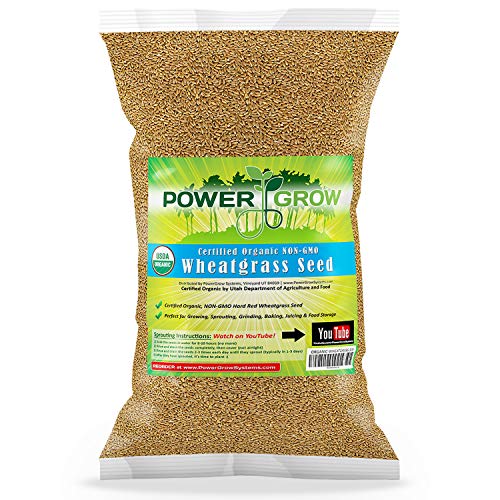
PowerGrow offers a premium organic wheatgrass seed suitable for bulk planting. The seeds are USA grown and certified organic, designed for thriving wheatgrass lawns, microgreens, and juicing. This option is ideal for growers focusing on nutrient-dense greens and wheatgrass as a fresh, healthy crop. The 5-pound bulk bag supports larger indoor setups or small farm operations, with expectations of consistent germination when planted in appropriate trays or soil beds.
Grain, Wheat – Hard White – 1 Oz

This hard white wheat is an open-pollinated, non-GMO option that yields usable grain for flour and baking. The small 1-ounce seed sample is useful for gardeners testing new varieties, while still being part of a broader storage and planting strategy. The high germination rate and suitability for cover crops add to its versatility for farm and home gardens alike.
Unhulled Organic Einkorn Grain Seeds

Ancient Einkorn represents one of the oldest cultivated wheats, offering a heritage option for planting and harvesting. These unhulled seeds come with the protective hull, aiding vigorous germination and full maturity. Certified organic and non-GMO, the seeds are praised for their storability and suitability for gardens or small fields seeking traditional grain crops with historic value.
Plant Good Seed Organic Hard Red Spring Wheat Seeds for Planting

This hard red spring wheat is a running favorite for bread flour with high protein content. It’s organic, non-GMO, heirloom, untreated, and open-pollinated, ensuring broad compatibility with traditional bread recipes. The seeds are germination tested for viability, and the packet typically contains around 200 seeds. The variety is well-suited for cool-season production and can function as a cover crop in some setups, expanding its utility in mixed farming operations.
Buying Guide: Wheat Berry Seed Choices And How To Pick
When selecting wheat berry seeds for planting, consider several practical angles to maximize outcomes. First, assess climate compatibility. Hard red spring wheats generally perform best in cooler spring-to-summer windows with adequate moisture, while hard white wheats can adapt to a wider range of conditions and are often favored for baking due to lighter flour color and milder flavor. Heritage varieties like einkorn offer historical flavor profiles and biodiversity benefits, though they may have different maturation timelines and yield patterns.
Second, determine your end use. If you plan to bake bread with higher protein dough strength, prioritize high-protein hard red spring wheats. For fresh greens or juicing, wheatgrass seeds (though not a traditional grain) provide rapid growth and dense chlorophyll, and may be a lifestyle choice for microgreen enthusiasts. If you’re aiming for grain storage or flour production, varieties with robust germination and open-pollination can simplify seed saving and adaptation over time.
Third, check seed integrity. Organic, non-GMO, and open-pollinated tags can indicate stable performance and ethical sourcing, but germination viability testing provides an objective signal of quality. Packaging size matters: smaller packets suit trial runs, whereas bulk bags support larger home or farm-scale projects. Consider whether you need hulls unbroken (as with einkorn) for certain soil-to-crop workflows or hull-less options for faster processing.
Fourth, plan your crop rotation and cover-crop strategy. Some seeds function well as dual-purpose options—soil improvement during fallow periods and grain production in the spring or summer. If pollinators are part of the garden plan, look for varieties described as pollinator-friendly, as some wheats are associated with beneficial insect activity in flowering phases.
Fifth, market and storage considerations matter for small farms. Some wheats store well for long periods, while others are best used fresh or ground soon after harvest. For gardeners primarily focused on fresh greens and microgreens, wheatgrass seeds provide a quick yield with nutritional appeal, while traditional bread wheats cater to longer-term grain and flour needs.
Finally, compare accessibility and support. Reputable seed providers often include germination guarantees and organic certification details. For edible-bake-focused projects, verify protein content and milling suitability where available, and look for seeds that fit your local growing season lengths and water availability.
In summary, balanced selection across hard red spring wheats, hard white wheats, and heritage grains like einkorn gives you a robust seed strategy for diverse uses—bread, flour, cover cropping, or microgreens. Use this guide to align varieties with your climate, kitchen goals, and garden plan, while leveraging trusted suppliers for quality stock and reliable germination.