Looking for a striking ornamental tree that delivers cascading pink or white blossoms each spring? This guide highlights top weeping Higan cherry options ideal for American gardens. The selections below range from dwarf candidates to larger landscape specimens, showing who they’re best for, why they stand out, and any notable limitations. Use the quick summary table to compare core traits at a glance.
Buyer type guide at a glance:
– Homeowners adding a focal point to front yards or patios: elegant, cascading forms.
– Gardeners with medium to large landscapes: taller, multi-year impact trees.
– Small-space planters: dwarf or smaller container-friendly options.
– California and similar regions: some selections ship bare root; consider transplant timing and local regulations.
| Product | Best For | Size/Format | |
|---|---|---|---|
| Higan Japanese Pink Weeping Cherry Tree (DAS Farms) | Medium yards; early spring drama | 1–2 ft tall live plant | Bare-root in some regions; transplant timing is winter. |
| Weeping Higan Cherry Tree – Pixies Gardens | Front yards and borders; soft pink cascades | 1 gallon/Single | Classic cascading blooms; versatile landscape use. |
| Shidare Yoshino Japanese Weeping Cherry Tree (DAS Farms) | Garden focal point; white blossoms | 1–2 ft tall live plant | Bare-root options for California; winter transplant window. |
| 10 Weeping Higan Cherry Tree Seeds (Seedville) | Large landscapes; naturalized beauty | Seeds for growing; not a finished plant | Grows tall; requires growing season and care. |
| Weeping Cherry Tree (6–12″ tall) Seedling | Small-space or starter project | 6–12″ tall in 3″ pot | Compact form; early spring blossoms. |
Higan Japanese Pink Weeping Cherry Tree
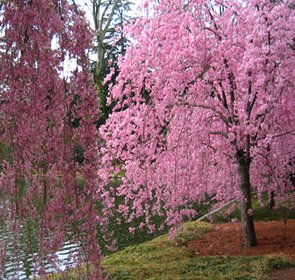
Product overview: A live plant from DAS Farms, sold as a 1 to 2 feet tall specimen. This tree is noted as dormant with no leaves during winter, which makes it easier to transplant into the ground. The data indicates California shipments may be bare root to comply with state regulations. It thrives in zones 4 through 8 with full to partial sun. Best for gardeners who want a bold spring display and can work with bare-root timing in colder regions.
Who it’s best for: Great for homeowners seeking a compact, dramatic pink cascade in early spring, especially in smaller yards or garden beds. Choose this if you want a reliable pink flowering focus and can plant when dormant. Avoid this if you require immediate leafy growth or container-friendly configuration at delivery.
Key considerations:
– Dormant planting may require careful handling to minimize root disturbance.
– Bare-root shipping in California requires validation of regulations at delivery.
– Good performance in sun to partial sun conditions.
Data-driven takeaway: This option targets buyers who prioritize a seasonal pink spectacle and can accommodate a winter transplant window within suitable climate zones.
Weeping Higan Cherry Tree – Pixies Gardens

Product overview: This is a live ornamental flowering tree sold as a 1 gallon/Single plant. It features cascading branches draped with soft pink blossoms in spring. The tree is described as an elegant focal point suitable for front yards, driveways, patios, or garden borders, with a versatile landscape profile that can suit both formal and naturalistic designs.
Who it’s best for: Ideal for homeowners who want a graceful, easy-to-place centerpiece that brightens borders or entryways each spring. It’s a strong pick for first-time tree planters who want a straightforward crown-and-branch silhouette with standout bloom clusters. Choose this if you value a classic pink cascade and flexible placement.
Limitations: As a single-gallon plant, it will require time to grow into a larger landscape presence. Early-season care should focus on irrigation and sun exposure to support bloom development.
Shidare Yoshino Japanese Weeping Cherry Tree

Product overview: A live Shidare Yoshino weeping cherry from DAS Farms, listed as 1–2 feet tall. The tree ships dormant with no leaves, with bare-root options for California shipments in line with state regulations. It tolerates zones 4–8 and prefers full to part sun. The white blossoms open in early spring, producing a striking contrast against dark branches.
Who it’s best for: Best for gardeners seeking a white-flowering weeping form with a refined silhouette. Choose this if you want a lighter floral palette that pairs well with evergreens or spring bulbs. Better for: owners who can work with bare-root timing and want a defined white cascade as a focal point.
Limitations: Dormant shipping means you’ll plant in the ground rather than a container until roots establish. Ensure proper winter care in colder locales to protect new growth.
10 Weeping Higan Cherry Tree Seeds

Product overview: A seed-based option from Seedville, marketed as 10 seeds for growing a Weeping Higan Cherry. Seeds are suitable for gardeners who prefer planting from seed and managing the growth from early stages. It grows to a mature height of 15–25 feet with a similar spread, suited for medium to large landscapes in zones 5–8.
Who it’s best for: Best for experienced planters who want to create a multi-year project from seed and have space for a large mature tree. Choose this if you enjoy hands-on propagation and long-term landscape planning. Limitations: You should expect a longer time to bloom and a longer establishment period compared to buying a young rooted tree.
Weeping Cherry Tree Seedling (6–12″ Tall)

Product overview: A small live plant, approximately 6–12 inches tall, shipped in a 3″ pot. Features a cascading, weeping branch form with a profusion of spring blossoms in pink or white depending on stock. Ideal for beginners or small-space gardeners seeking a starter plant that can mature into a larger specimen over time.
Who it’s best for: Best for beginners and hobbyists starting a weeping cherry collection in containers or small beds. Choose this if you want a compact plant that can be moved or repotted as it grows. Limitation: The small size means a longer wait before reaching full flowering potential.
Buying Guide
Key purchase considerations for weeping Higan cherry trees include size expectations, climate compatibility, and transplant logistics. The following questions help refine choices.
- What climate zone do you live in, and does the variety tolerate your winters and summers?
- Are you planting in the ground or in containers, and how much space is available?
- Is bare-root shipping acceptable in your state, and can you plant promptly after delivery?
- Do you prefer pink or white blossoms, and how will the tree fit with nearby plants and hardscaping?
- How quickly do you want the tree to bloom, considering maturity time from seed versus juvenile stock?
Size and Growth Considerations
Weeping Higan cherries range from compact, container-friendly forms to larger landscape trees. If space is limited, start with a dwarf or 1–2 foot plant and plan for gradual growth over several years. In larger landscapes, a 6–12 inch seedling or a 1 gallon/1–2 foot plant can establish into a dramatic spring feature with time and proper care.
Planting and Care Best Practices
Most varieties prefer full sun to light shade and well-drained soil. Water consistently during establishment, and monitor for drought stress. For dormant-stock plants, transplant during the winter or early spring before bud break to minimize stress. In some regions, bare-root shipments require careful handling and immediate planting to maximize root survival.
Selection by Use Case
- Front yard focal point: choose a cascading form with abundant spring blooms and a balanced canopy.
- Borders and driveways: look for a tree with a narrow to mid-width profile and high flower display.
- Starter landscape: a small seedling or 1–2 ft plant can yield long-term bloom potential with patience.
Maintenance and Longevity
Regular pruning after flowering helps maintain shape and encourage healthy growth. Mulching and consistent irrigation support root health, particularly in climates with hot summers or variable rainfall. With proper care, weeping cherry trees can provide several decades of ornamental value in residential landscapes.
FAQ
- When is the best time to plant a weeping Higan cherry? Plant during dormancy in late winter to early spring for best establishment, especially for bare-root stock.
- Do these trees tolerate full sun? Yes, most varieties prefer full sun to partial sun for optimal bloom and growth.
- Are there risks with shipping bare root in certain states? Yes, some shipments to California and other states follow bare-root regulations; verify local requirements before ordering.
- How large do these trees get over time? Mature sizes vary by cultivar, from compact 6–12 feet to larger specimens reaching 15–25 feet in height and spread.
- Can I plant from seeds? Seed-grown plants require longer time to establish and bloom compared with nursery-bought live plants.
- What maintenance is needed after flowering? Prune lightly after bloom to maintain shape, and monitor soil moisture and pests as needed.