Wild violets can be a persistent nuisance in lawns, often thriving where other weeds struggle. Choosing the right weed killer requires understanding how and when to apply, what weeds are targeted, and how safe the product is for your grass. This guide highlights reliable options from reputable brands, with a focus on products that address wild violet specifically or effectively with broadleaf weed control. Below is a quick summary table, followed by in-depth product insights to help you decide which solution fits your lawn care routine.
| Product | Kills Wild Violet | Active Use | |
|---|---|---|---|
| Ortho Weed B Gon Chickweed, Clover & Oxalis Killer for Lawns (16 oz) | Yes | Lawn weeds, active growth, cool to moderate temps | Concentrate |
| Ortho Weed B Gon Chickweed, Clover & Oxalis Killer for Lawns (32 oz Pack of 2) | Yes | Lawn weeds, roots, safe for lawn | Concentrate/Pack |
| Bonide Chickweed, Clover & Oxalis Killer (128 oz Ready-to-Use) | Yes | Broadleaf weeds including wild violet, easy spray | Ready-to-Use |
| Southern Ag Amine 2,4-D Weed Killer (32 oz) | Yes | Broadleaf weeds in turf and margins | Liquid concentrate |
| Bonide Chickweed, Clover and Oxalis Killer (16 oz Concentrate) | Yes | Weed and root control for lawns | Concentrate |
Note: All products should be used exactly as directed on the label. Conditions such as temperature, active weed growth, and mowing or irrigation schedules can influence effectiveness. This guide compares products that are commonly recommended for broadleaf weeds and wild violet control in home lawns.
Ortho Weed B Gon Chickweed, Clover & Oxalis Killer for Lawns Concentrate
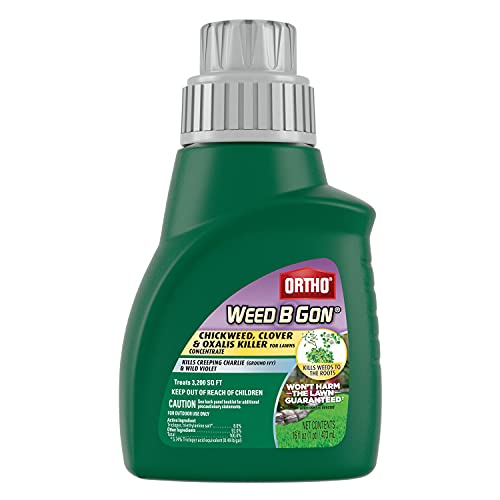
This Ortho Weed B Gon concentrate is designed to tackle tough lawn weeds, including chickweed, clover, oxalis, ground ivy, speedwell, and wild violet when used as directed. The formulation targets broadleaf weeds without harming most cool-season grasses. It’s labeled as rainproof in about six hours, so weather windows are manageable for many homeowners. Apply when weeds are actively growing and temperatures are below 90°F to maximize uptake and translocation. For untreated areas with dense or widespread violet infestations, multiple applications may be required according to the label.
Key considerations for use include:
– Active growth period: Apply while weeds are actively growing for best results.
– Temperature window: Effective when temperatures stay under 90°F.
– Coverage: Treats up to 3,200 square feet per bottle, convenient for mid-sized lawns.
– Safety: Read and follow safety instructions, particularly around pets and children after application.
Ortho Weed B Gon Chickweed, Clover & Oxalis Killer for Lawns, 32 Oz. (Pack of 2)

This product offers a ready-to-use approach with a pack of two 32-ounce bottles, designed to kill chickweed, clover, and oxalis, while effectively targeting the roots. The formulation is designed to kill weeds to the roots and claim to won’t harm the lawn when used as directed. It’s a convenient option for homeowners who prefer pre-measured units and quick, bag-free deployment. For best results, apply during active weed growth and ensure the lawn is not stressed by heat or drought at the time of application.
Bonide Chickweed, Clover & Oxalis Killer (128 oz Ready-to-Use)
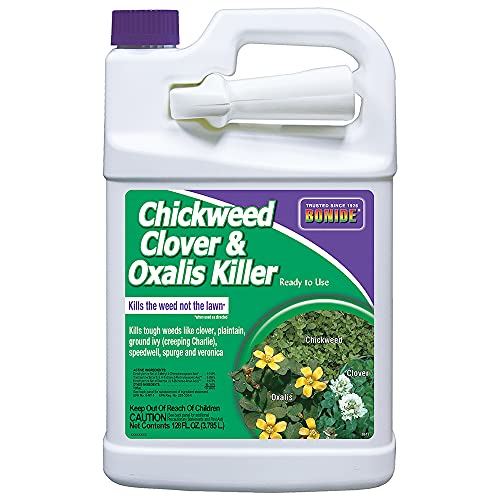
The Bonide 128 oz Ready-to-Use product is a broad-spectrum weed killer that addresses chickweed, clover, oxalis, wild violet, and more. It’s designed for lawns and not grasses, focusing on eliminating weeds at the root with each application. The ready-to-use format makes it simple to apply without mixing. The label provides a comprehensive weed list, which is helpful for planning future lawn care. Homeowners should avoid application on stressed lawns and ensure even coverage for consistent results.
Southern Ag Amine 2,4-D Weed Killer (32 oz)
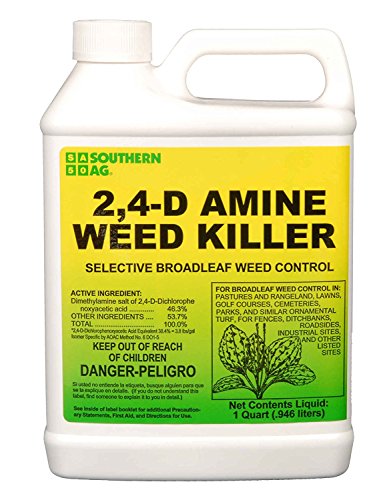
The Southern Ag 2,4-D Weed Killer uses the widely used 2,4-D active ingredient to control many broadleaf weeds, including those common in turf. It’s a liquid concentrate suitable for turf, pastures, and other settings, offering a low-cost option with flexible application. This product can address wild violet as part of a broader broadleaf weed management strategy. Users should follow dilution guidelines closely and consider the impact on desirable grasses, especially in intensively manicured lawns.
Bonide Chickweed, Clover and Oxalis Killer (16 oz Concentrate)

This Bonide 16 oz concentrate provides a concentrated approach to weed control, designed to kill chickweed, clover, oxalis, wild violet, and more. It requires mixing before application, which gives more control over dilution and coverage. The product targets weeds and their roots, aiming to prevent regrowth if applied according to the label. It’s suitable for homeowners who want to tailor the solution to specific lawn conditions and weed pressure, though it requires a bit more preparation time than ready-to-use formats.
Hi-Yield 2,4-D Selective Weed Killer (1 gal)
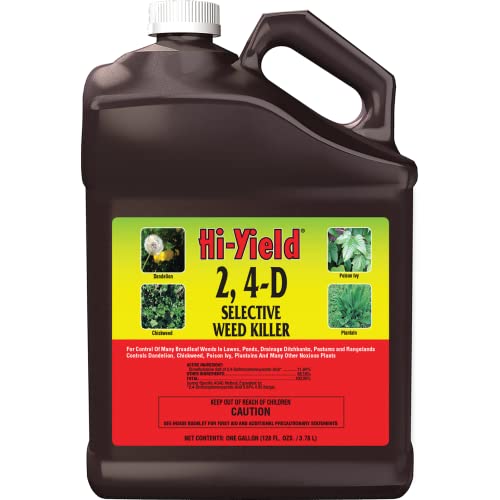
The Hi-Yield 2,4-D product is a selective weed killer that treats broadleaf weeds, including dandelions and oxalis, with compatibility for turf. It’s commonly used with a spreader sticker to improve adhesion and coverage on turf surfaces. This option may be useful for lawns with mixed weed populations where broadleaf species, including wild violet, are present. Always check the label for specific grass types and tank-mix compatibility with other lawn products.
Quali-Pro 2-D Herbicide

The Quali-Pro 2-D Herbicide focuses on annual and perennial broadleaf weeds in established turf. It targets chickweed, clover, dandelion, oxalis, and wild violet among others, making it a strong option when wild violet is part of a broader weed spectrum. The product is effective in turf and select non-crop areas, including golf fairways in some labels. When applying, follow label directions about re-entry intervals, water use restrictions, and compatibility with irrigation practices.
Buying Guide: How to Choose the Right Weed Killer for Wild Violet
Wild violet control hinges on selecting a product that both targets its physiology and fits your lawn’s conditions. Consider the following factors to optimize results and minimize lawn stress.
- Weed spectrum: If wild violet is your primary target, choose a product proven to affect broadleaf weeds, including violet. Many multi-weed formulas also address chickweed, clover, oxalis, and dandelion, which can simplify lawn care routines.
- Formulation: Ready-to-use bottles offer convenience, while concentrates require mixing but can be more economical per area. Consider your time, space, and preferred application method.
- Application window: Most products work best when weeds are actively growing and temperatures are comfortable for the grass. Hot weather can reduce effectiveness or harm sensitive grasses. Always follow label guidance for timing.
- Coverage area: Check square footage coverage to ensure you purchase enough product for your lawn size. Larger yards may benefit from concentrated options that reduce cost per square foot.
- Grass safety: Some formulas are designed to kill broadleaf weeds without harming grasses, while others may require careful application to avoid foliage damage. Read the label for compatible grass species and mowing schedules.
- Environmental and pet safety: Follow re-entry times and keep children and pets away from treated areas until the product dries. Choose products with favorable environmental profiles when possible.
- Ease of use: Consider nozzle design, spray pattern, and whether you need to mix or measure. Ready-to-use options can reduce setup time, while concentrates may offer more control over dilution and concentration.
- Long-term strategy: For persistent violet patches, consider combining chemical control with cultural practices—such as proper mowing height, aeration, and overseeding with desired grasses—to reduce weed-ding pressure over time.
When integrating weed killers into your lawn care routine, always follow product labels and safety data sheets. If you have a mixed lawn with ornamental plants or a pet-friendly yard, consider spot-treat strategies or non-chemical approaches (like manual removal) for areas near garden beds or wildlife habitats. Regular lawn maintenance, including proper mowing height and timely fertilization, can also reduce weed invasions by promoting healthy grass growth that outcompetes broadleaf weeds like wild violet.
Important note: Information about product availability and labeling may change. Always verify current instructions on the product page or label before use.