Pasture maintenance requires effective, selective weed control that protects grasses while targeting nuisance broadleaf species and brush. The following selections are popular options from reputable brands, designed for use in pasture, rangeland, and fence lines. Each product targets common pasture weeds and offers guidance on application, dilution, and safety. This guide presents five focused choices with key features to help you compare options and make informed decisions for your field management needs.
| Product | Brand | Type | Key Use |
|---|---|---|---|
| Southern Ag Amine 2,4-D WEED KILLER | Southern Ag | 2,4-D Amine Herbicide | Broadleaf weed control in pastures and turf |
| Hi-Yield 21416 2,4-D Selective | Hi-Yield | Selective 2,4-D | Kills broadleaf weeds, best with spreader sticker |
| Remedy Ultra | Remedy Ultra | Triclopyr-based | Brush and broadleaf control in rangeland and fences |
| Monterey Thistledown | Monterey | Clopyralid-based | Thistle and broadleaf weed control in pastures |
| Southern AG 01113 Brush Killer | Southern Ag | Brush and vines control | Vine and brush control along fences and borders |
Southern Ag Amine 2,4-D Weed Killer for Pastures
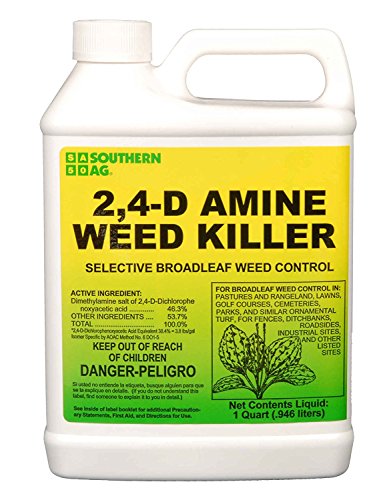
Product overview: This low-cost 2,4-D amine formulation is designed for efficient use in pastures, turf, and rangeland. It targets a broad spectrum of broadleaf weeds and woody plants, helping reestablish turf density where brush encroachment is an issue. The label emphasizes an economical use rate of 1 to 4 pints per acre, enabling effective control with minimal product per acre. Suitable for turf, pastures, and ditch banks, this option is commonly used for seasonal weed management and pasture restoration.
Key considerations: Review local regulations and grazing restrictions from the label. Ensure compatibility with nearby crops or ornamentals and avoid drift onto non-target vegetation. Proper mixing with water and adherence to recommended application timing improve outcomes. This product is often paired with mowing or mechanical control for enhanced results in dense weed patches.
Hi-Yield 2,4-D Selective Weed Killer
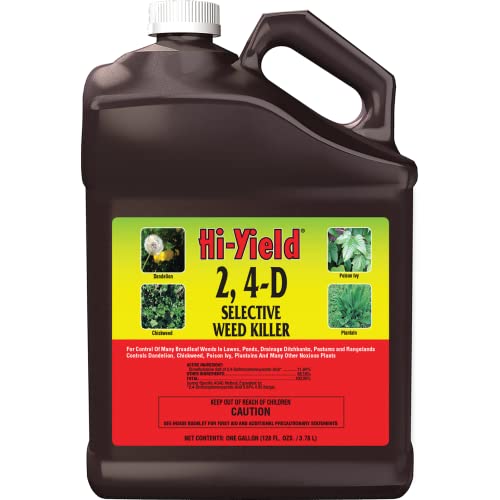
Product overview: This selective weed killer focuses on broadleaf species and plants susceptible to 2,4-D. It is designed to attack weeds such as dandelion and related broadleaf invaders while preserving grasses. The product notes strong compatibility with pasture grasses when used as directed, and it is often used in rotation with other herbicides for broader control. A typical recommendation is to pair with a sticker/spreader for improved adherence and coverage on dense weed patches.
Key considerations: Always check the label for a list of controlled species and any grazing restrictions after application. Consider tank-mixing with compatible products for enhanced broad-spectrum control, and avoid applying during heat stress or drought conditions to minimize crop sensitivity.
Remedy Ultra Specialty Herbicide
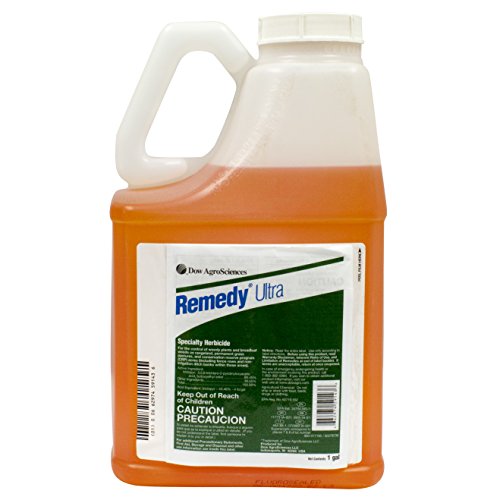
Product overview: Remedy Ultra is a triclopyr-based herbicide formulated for brush and broadleaf weed control in pastures, rangeland, and fence lines. It ships as a flexible option for treating encroaching brush, with low odor characteristics and effective systemic action that targets both roots and above-ground growth. This product is well-suited for pasture restoration where woody encroachment reduces forage quality and palatability.
Key considerations: Use in accordance with label directions regarding spray volume, mixing partners, and reentry intervals. Tank-mixing with grass-safe materials or soil-active herbicides may improve long-term brush suppression. Avoid non-target species and follow proper application timing to maximize pasture health and biodiversity.
Monterey Thistledown Bundled with Measuring Spoon
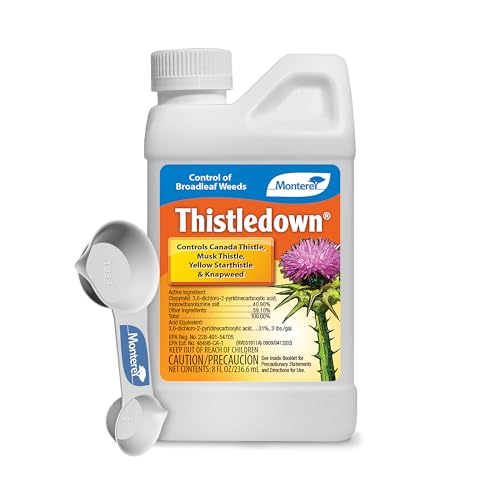
Product overview: Thistledown is a full-strength clopyralid-based herbicide designed to control actively growing broadleaf weeds and thistles in range and pasture settings. It is effective on common pasture weeds such as Canada thistle and musk thistle, with additional utility against other broadleaf species. Use is site-specific to non-crop areas, avoiding ornamentals and vegetables to limit unintended damage.
Key considerations: The label advises caution around irrigation water and ornamentals. Thistledown is often used for selective long-term control, helping manage persistent thistle populations that undermine forage quality. As with all clopyralid-based products, follow rate recommendations and consider nearby crop plans when scheduling treatment.
Southern AG Brush Killer for Pastures

Product overview: This brush and vine control herbicide is designed for use along fences and brush lines in pasture settings. It kills vines and many hard-to-control plants, and it helps prevent sprouting on recently cut stumps. The formulation aims to reduce brush encroachment and maintain open pasture space for grazing.
Key considerations: Apply to actively growing brush while avoiding non-target vegetation. Reapply as directed if regrowth appears, and align treatments with grazing plans to minimize disruption. Always follow the label for application rates and safety guidelines to protect wildlife and water sources.
Buying Guide — Key Purchase Considerations for Pasture Weed Control
When choosing a pasture weed killer, consider weed spectrum, target plants, pasture resilience, compatibility with grasses, and environmental safety. Each product below emphasizes selective control to preserve desirable grasses while reducing woody plants, brush, and invasive broadleaf weeds.
Identify the dominant weed species in your pasture. Broadleaf weeds often respond well to 2,4-D formulations, while brush species may require triclopyr or clopyralid-based products. Some mixtures are designed for sequential use to tackle multiple weed groups over a growing season. - Pasture Type and Stage: Consider growth stage of grasses and weeds. Young weeds absorb herbicides faster, while mature brush may need higher rates or longer intervals between applications. Avoid applying during extreme heat or drought to minimize crop stress and drift risk.
- Environmental and Grazing Considerations: Check grazing restrictions and reentry intervals on the label. Some formulations require withholding livestock from treated pastures for a specified period. Consider spray drift potential near water sources, ornamental plantings, or neighboring crops.
- Formulation and Application: Liquid concentrates are common for field spraying. Ensure appropriate spray equipment, water volume, and adjuvants (such as spreader stickers) to improve coverage and adherence to leaf surfaces. Follow label directions for dilution and mixing.
- Safety and Storage: Store away from children and pets, and protect from frost. Use personal protective equipment as recommended, including gloves and eye protection during mixing and application.
- Long-Term Management: For brush control, consider integrated approaches that include mowing, prescribed grazing, or mechanical removal to reduce regrowth and soil seed banks. Rotate products to reduce weed resistance risk and enhance pasture health.
- Label Reading: Always read the product label before purchase and application. The label contains critical information on target species, rates, safety precautions, and legal use restrictions.
With these options, pasture managers can tailor weed control to their specific landscape and weed populations. Always verify current product availability and regional label instructions, as formulations and approved uses may vary by location. The goal is to achieve effective weed suppression while preserving forage quality and soil health for sustainable pasture management.