Horses need reliable access to unfrozen water even in freezing weather. The following water trough heaters and de-icers are designed to prevent ice buildup, reduce electricity usage, and fit a range of tank sizes. This guide profiles five top options, comparing features, power, and safety considerations to help you choose the right heater for your stable.
| Product | Brand | Tank Size / Use | Power | Key Benefit |
|---|---|---|---|---|
| Farm Innovators 2 Pack Submergible Tank De-Icer | Farm Innovators Store | Various livestock tanks | 1000W | Thermostatic control with bottom-of-tank placement |
| 1000W Utility De-Icer Submergible | — | 5-50 gallon containers | 1000W | Auto temp control; non-conductive/anti-rust |
| Miller Floating 1500 Watt | API Store | 100-300 gallon stock tanks | 1500W | Floating design with rugged float |
| 500W Pond Heater Submergible De-Icer | — | Stock tanks; ponds | 500W | Aluminum with anti-rust coating; thermostatic control |
| 1000W Utility De-Icer (Cast Aluminum) | — | 5-50 gallon containers | 1000W | Cast aluminum; automatic thermostat |
Now, explore each option in detail to determine which best fits your stable, tank size, and maintenance preferences.
Farm Innovators 2 Pack Submergible Tank De-Icer

This 1000-watt de-icer is designed to sit at the bottom of livestock tanks, preventing complete icing while remaining undisturbed by animals. Its thermostatic control ensures operation only when needed, offering energy efficiency. The dual-pack provides coverage for multiple troughs, a practical option for farms with several water sources. The unit’s bottom-resting design reduces interference with animals and minimizes mineral buildup inside the tank.
1000W Utility De-Icer for Livestock and Birds
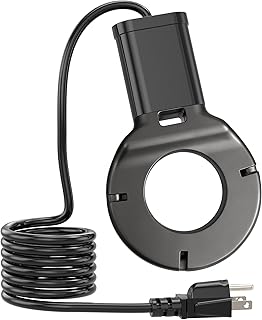
This versatile 1000-watt submergible unit is suitable for 5- to 50-gallon containers, including bird baths and small livestock waterers. It features auto temperature control, turning on below 35°F and off at 77°F to balance water access and electricity use. The non-conductive, anti-rust aluminum construction protects containers from damage and extends the device’s lifespan. The design supports safe operation with multiple container materials.
Miller Floating 1500 Watt Livestock Heater
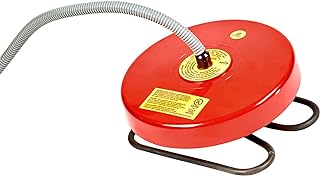
Designed to float on the water surface, this 1500-watt de-icer uses a rugged float mechanism to stay buoyant even in stronger water depths. It is aimed at larger stock tanks (100–300 gallons) and includes a protective heating element design. The unit maintains water availability during freezing conditions, supporting long-term reliability for farm operations that require steady hydration for larger herds.
500W Submergible De-Icer (Cast Aluminum)

The 500-watt de-icer is crafted from cast aluminum with an anti-rust coating, promoting durability in cold, wet environments. It enlarges heating efficiency with an expanded grid design and is designed to be non-conductive to reduce safety risks. Thermostatic control activates the unit only as water approaches freezing, helping to balance energy use with reliable water access in smaller troughs or bird baths.
1000W Utility De-Icer with Cast Aluminum Body

This 1000-watt model is built from cast aluminum with an anti-rust coating, combining strength with safety for drinking water. It is suitable for various cold environments and supports use in ponds, livestock tanks, and troughs. The thermostat-controlled operation aligns with energy efficiency goals, turning on when temperatures drop and auto-disconnecting as conditions improve.
Buying Guide: Key Purchase Considerations
Choosing the right water trough heater involves balancing tank size, operating temperature, safety, and energy use. Consider these perspectives:
- Tank compatibility: Match wattage and design (submerged vs. floating) to your trough size. Larger tanks typically benefit from higher wattage and floating designs to justify circulation and coverage.
- Thermostat features: Auto-on/off thermostats save electricity by only heating when necessary. Look for controls that turn off at safe, drinking-water temperatures to prevent overheating.
- Material and safety: Aluminum bodies with anti-rust coatings resist corrosion in humid, cold environments. Non-conductive housings reduce shock risk for animals and handlers.
- Durability and installation: Submerged units require sturdy cords and strain relief to withstand handling and animal activity. Floating units should have reliable floats and housings to avoid sinking.
- Energy efficiency vs. reliability: Higher wattage can offer faster ice melt but increases energy use. Evaluate average ice days and continuous operation needs for your farm.
- Maintenance considerations: Simplicity of cleaning, lime buildup resistance, and accessibility for routine inspection influence long-term performance.
- Container compatibility: Ensure the de-icer material won’t damage tanks, buckets, or linings. Non-conductive materials reduce risk of short circuits in smaller containers.
Bottom line: For horses, prioritize reliable water access with automatic temperature control, sturdy construction, and appropriate sizing for your troughs. If you operate multiple tanks, consider a multi-pack option to ensure all water sources stay ice-free throughout the season.