Answering the question of how to protect rock and natural stone surfaces, these sealers offer water resistance, stain blocking, and long-lasting protection. The best choices depend on surface type, porosity, and whether you want a wet-look finish or a natural look. This guide highlights five stone-friendly sealers, with clear reasons who each is best for and why they were selected. Ideal buyers include homeowners sealing driveways or patios, stone fabricators protecting countertops, and builders waterproofing masonry in outdoor settings.
Summary table of selected products:
| Product | Best For | Finish | |
|---|---|---|---|
| Shabebe Super Wet Look Stone Sealer | Porous stone surfaces needing high gloss | High gloss, wet look | Not for polished stone |
| Rock Doctor Granite Sealer | Granite, marble, stone countertops | Natural or enhanced look | Water-based, long-lasting |
| Rain Guard Water Sealers Stone Sealer Spray | All stone surfaces, indoor/outdoor | Natural, no-gloss finish | Penetrating silane/siloxane |
| ChimneyRx Advanced Water Repellent | Masonry surfaces like brick and stone | Clear, breathable | Polysiloxane formula |
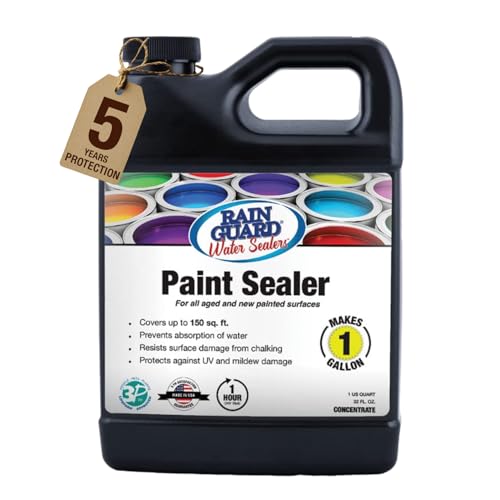
| Rain Guard Paint Sealer Concentrate | Painted stone surfaces | Clear semi-satin | Madeto-mix for larger coverage |
Shabebe Super Wet Look Stone Sealer

Best for surfaces that can deliver a dramatic wet look, this sealer provides a high gloss finish and strong stain resistance. It’s suited to natural stone such as sandstone, concrete, and bricks used in driveways, patios, and garage floors. It may not intensify gloss on very porous substrates as strongly as on darker or less porous stones. The product advertises UV resistance and breathability to prevent yellowing, with a focus on water- and oil-based stain protection. Choose this if you want a visibly glossy, stylish finish on porous stone surfaces that accept a wet look.
Who it’s best for: Homeowners seeking a bold, glossy stone finish, especially on concrete or sandstone entryways. Best avoided on polished stone or tile where a high-gloss effect is not desired.
One limitation: The gloss intensity varies by substrate; test a small area before full application.
Rock Doctor Granite Sealer

This long-acting, water-based sealer provides deep penetration and bonds with natural stone surfaces, offering protection from stains and moisture. It’s well suited for granite, marble, and stone countertops as well as grout, helping to maintain the stone’s natural look. The product is positioned as a regular maintenance option, with a suggested re-seal interval of 6–12 months given typical exposure. Select this if you want durable, low-gloss protection that preserves a natural stone appearance on indoor and outdoor surfaces.
Who it’s best for: Consumers and fabricators needing reliable, long-lasting protection for stone countertops or grout without altering natural color.
One limitation: Coverage can vary; verify can size and surface area to avoid shortfalls.
Rain Guard Stone Sealer Spray
This spray sealer forms a hydrophobic barrier that shields stone surfaces from water, stains, and moisture. It’s designed for both indoor and outdoor use, providing a natural, non-gloss finish that preserves texture. The formula aims to resist freeze-thaw damage and efflorescence, making it suitable for stone walkways, chimneys, and walls. Choose this product if you want strong, penetrating protection with a discreet appearance that works across various stone types without altering color or texture.
Who it’s best for: Property owners seeking a clear, low-gloss shield for outdoor stone walkways or indoor stone textures that should stay true to their natural look.
One limitation: Some users may prefer a more pronounced finish for certain aesthetic goals; this is a natural look sealer.
ChimneyRx Advanced Water Repellent

This clear sealer uses a polysiloxane formula to deeply penetrate masonry, creating a breathable barrier that repels water while letting moisture escape. It’s suitable for brick, stone, and concrete surfaces and works on both older masonry and newly treated surfaces. The emphasis is on long-lasting protection against freeze-thaw cycles and water intrusion. Choose ChimneyRx for a versatile, durable masonry sealant that maintains breathability and prevents water damage.
Who it’s best for: Builders and homeowners sealing masonry surfaces that require a breathable, long-lasting water barrier on stone, brick, or concrete.
One limitation: This product is a penetrative sealant; surface appearance remains largely unchanged, which may be a constraint for those seeking a strong gloss or color change.
Rain Guard Paint Sealer Concentrate
This concentrate is designed for painted stone and outdoor surfaces, offering a clear semi-satin finish that preserves texture while adding water repellence. It’s applied as a mix to cover larger areas and provides a practical option for protecting previously painted stonework against moisture and staining. This choice is best when you want to retain the painted appearance with improved weather resistance.
Who it’s best for: Property owners with painted stone surfaces who want a clear, semi-satin sealant to enhance durability without changing color or texture.
Buying Guide
Key considerations when choosing a water sealer for rocks and stone surfaces include surface type, porosity, desired finish, and exposure. A penetrating sealant is ideal for natural stone and masonry porous surfaces, while a surface-applied coating works for glossy or satin looks. Breathability matters on masonry to allow moisture to escape and prevent internal damage. For outdoor use, consider UV resistance and freeze-thaw durability. Always test a small area to verify color, sheen, and compatibility with existing sealers.
What finish do you want?
Glossy wet-look finishes emphasize color and texture, suitable for decorative stones. Natural or satin finishes preserve the stone’s appearance without much sheen. For indoor stone countertops, a low-gloss or matte finish often works best to maintain a refined look.
Is the stone porous enough to require deep sealing?
Highly porous stones like sandstone and concrete benefit from penetrating sealers that block water and oils. Denser stones such as polished granite may need different products or fewer coats to achieve the desired protection.
Should you use a spray or a brush-on application?
Sprays are quick and convenient for broad surfaces and complex textures, while brushes or rollers provide better control on edges and smaller areas. Always follow product-specific application instructions, including drying times and reapplication intervals.
Maintenance and reapplication
Sealant lifespans vary with climate, traffic, and sun exposure. Plan for re-sealing when water no longer beads on the surface or as recommended by the product. Use compatible products to avoid chemical incompatibilities that could affect performance.
Safety and preparation
Work in a well-ventilated area and wear protective gear as needed. Clean surfaces before applying sealers to remove dust, oils, or previous sealers that could hinder adhesion. Always test a small area first and observe cure times before treating the entire surface.
FAQ
- Q: Do stone sealers change the color of my surfaces?
- A: Some sealers preserve color and texture, while glossier products can deepen color. Test a small area first.
- Q: How often should stone be resealed?
- A: It varies by product and exposure; typical guidance ranges from 6 to 24 months for outdoor surfaces and 1–3 years for indoor stone, depending on wear.
- Q: Can I seal stone and then paint it?
- A: Sealing is usually compatible with painted surfaces, but always verify compatibility with the specific paint and sealer combination.
- Q: Is a water-based sealer better than solvent-based?
- A: Water-based sealers are generally safer and easier to clean up, but performance depends on substrate and exposure; choose based on the job requirements.