Choosing the right walk-behind aerator can dramatically improve soil structure, promote root growth, and help water, air, and nutrients reach grassroots. This guide highlights five top options that balance depth, coverage, and ease of use for American lawns. From spike rollers to tow-behind units, these picks cover different soil types, lawn sizes, and maintenance preferences. Read on to compare features and decide which aerator fits your yard care routine.
| Product | Brand | Key Benefit |
|---|---|---|
| Agri-Fab 45-0299 48″ Tow Behind Lawn Plug Aerator | Agri-Fab | 32 galvanized knives; plugs up to 3″ deep |
| Suchtale 40-Inch Tow Behind Spike Aerator | Suchtale | 10-star steel tines; 2″ depth penetration |
| Seeutek 40 Inch Tow Behind Spike Aerator | Seeutek | 3D star tines; 40″ wide; rugged construction |
| Walensee Rolling Lawn Aerator | Walensee | 42 spikes; 71″ handle; easy manual operation |
| Westinghouse 13-Inch 12 Amp Dethatcher & Scarifier | Westinghouse | 2-in-1 dethatching and aerating; 4 depth settings |
style=”display:none;”>Introduction summary table of product options included in this guide.
Agri-Fab 48″ Tow Behind Aerator
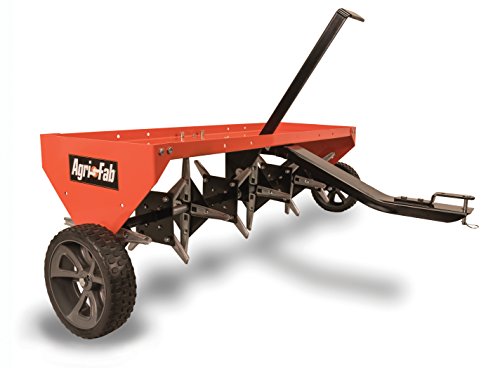
Agri-Fab’s 45-0299 model is designed for lawn care enthusiasts who pull the aerator behind a tractor or riding mower. It features 32 galvanized knives that penetrate the soil to create uniform plugs, with depth reaching up to about 3 inches. Built for durability in American yards, this model emphasizes plug size and penetration depth to improve soil aeration in compacted turf. It’s well-suited for large lawns where a tow-behind design reduces manual effort and speeds up seasonal aeration tasks.
Suchtale 40-Inch Tow Behind Spike Aerator

The Suchtale spike aerator uses a robust 40-inch frame with star-shaped steel tines designed to penetrate compacted soil up to about 2 inches. Its independent tine rotation helps maintain consistent soil penetration through turns, reducing missed spots. The durable all-steel construction, reinforced side plates, and adjustable hitch make it a solid choice for tractors and ATVs, while a weight-tolerant frame supports heavier ballast to enhance penetration depth.
Seeutek 40 Inch Tow Behind Spike Aerator

The Seeutek aerator features ten 3D steel tines arranged in stars, delivering up to 2 inches of soil penetration. The 40″ width enables broader coverage per pass, while each star tine rotates independently to minimize missed areas during turns. The unit includes a heavy-duty tray and a sturdy steel axle, designed to resist rust and bending, making it suitable for frequent use on larger lawns with varying soil conditions.
Walensee Rolling Lawn Aerator

The Walensee rolling aerator uses a simple manual design with 42 spikes mounted on a roller. The roller can be weighted with sand or stones to improve penetration depth, which is helpful on dense or dry soils. The steel construction and 71″ adjustable handle provide leverage for comfortable operation, and the spiral tine arrangement helps promote continuous rolling with fewer jumps, aiding even aeration across the lawn.
Westinghouse 13-Inch 12 Amp Dethatcher & Scarifier

Westinghouse combines dethatching and lawn aeration in one electric walk-behind unit. Powered by a 12-amp motor, it delivers up to 3300 RPM to remove thatch and loosen compacted soil. The tool features four depth settings to tailor dethatching and aeration to your lawn’s needs, along with a sizable collection bag to ease cleanup after use. Its foldable handle aids storage, making it convenient for homeowners with limited shed space.
Buying Guide: Key Considerations for Walk Behind Aerators
- Soil type and compaction: Spike aerators are typically best for light to moderate compaction, while hollow-core/pluggers penetrate more deeply in heavy soils. For dense thatch, dethatcher attachments or 2-in-1 units may be advantageous.
- Size of lawn and coverage: Wider aerator decks cover more ground per pass but require more storage and a larger vehicle for towing. For small to medium yards, a 40″ model often provides a good balance.
- Penetration depth: Depth matters for reaching deeper roots. Look for models with adjustable depth and a depth range that matches your lawn’s needs and soil conditions.
- Fuel versus electric: Gas-powered walk-behinds and tow-behind units offer strong penetration without cords, suitable for larger lawns. Electric dethatchers or scarifiers provide convenient, low-maintenance operation for smaller areas.
- Durability and materials: Galvanized or powder-coated steel resists rust; reinforced side panels and solid axles improve longevity, especially on uneven terrain.
- Portability and hitch compatibility: Ensure the aerator hitch works with your mower or tractor and that the weight and balance won’t strain your towing setup.
- Maintenance needs: Check blade/tine replacement availability, ease of cleaning, and whether the unit allows simple upgrades or swapping attachments.
- Seasonal timing: Aeration is typically most effective during the growing season when the lawn can recover quickly. Avoid extremely dry or frozen periods for best results.
Additional Considerations
- Weight and ballast: Some models perform better with additional weights; ensure you can safely add ballast if needed and that weight distribution remains stable during use.
- Noise and emissions: Electric models offer quieter operation and fewer emissions, which can be preferable for residential neighborhoods.
- Assembly and setup: Read instructions for quick assembly and safe hitching. Some models include detailed manuals and pictorial guides to speed up setup.
- Storage and transport: Folding handles and compact designs improve storage options, especially for homeowners with limited space.