If you want to grow fruits, vegetables, and herbs without a traditional garden, a vertical hydroponic grow tower is a strong choice. These systems save space, recycle water, and can speed up growth with precise nutrient control. The top picks below are suited for urban apartments, kitchens, dorms, and small homes. Use this guide to compare 5 popular towers and decide which fits your needs for capacity, ease of use, and energy efficiency.
A quick buyer summary table helps you compare at a glance:
| Product | Plant Capacity | Best For | |
|---|---|---|---|
| TIRUSS Vertical Hydroponic Grow Tower (9 Layer, 36 Pots) | 36 pots | Families or serious growers in compact spaces | High density, water-saving design |
| VEVOR Hydroponic Growing System (30 Pods, 6 Tiers) | 30 pods | Small apartments and kitchens | Large water tank, energy-efficient pump |
| TIRUSS 15 Layer (45 Pots) | 45 pots | Growing variety in home kitchens and living spaces | Movable water tank for flexible layouts |
| SJZX 5-Layer Tower (30 Holes) | 30 holes | Beginner and educational setups | Smart timer for automated watering |
The following sections summarize five top choices. Each product highlights who it’s best for, why it stands out, and a practical caveat to consider before buying.
Vertical Hydroponic Grow Tower Aeroponic Tower For Fruits And Vegetables

Best for households needing high-density planting in a small footprint. This 9-layer tower provides 36 planting sites, enabling a diverse harvest from herbs to compact fruiting plants. Water efficiency is a core feature, with up to 98% water recycling in hydroponic cycles. The system supports faster growth due to precise nutrient delivery, making it suitable for growers who want quick results. A potential limitation is the larger overall height, which may require ceiling clearance or stable mounting in tight spaces. Best for: multi-plant families and kitchen gardens that want substantial output without yard space.
VEVOR Hydroponic Growing System (30 Pods, 6 Tiers)

Best for compact apartments and kitchens that still want substantial herb and vegetable growth. The six-tier design houses 30 planting pods in a space-efficient footprint. A large 20-liter water tank reduces refills, and a smart socket controls pump and lighting to save energy. The included DC micro-pump provides steady circulation, promoting healthy root systems. Caution: if you’re new to hydroponics, ensure you monitor water levels and timer settings to avoid over- or under-watering. Best for: energy-conscious small-space growers who value easy maintenance.
TIRUSS Vertical Hydroponic Grow Tower (15 Layer, 45 Plants)
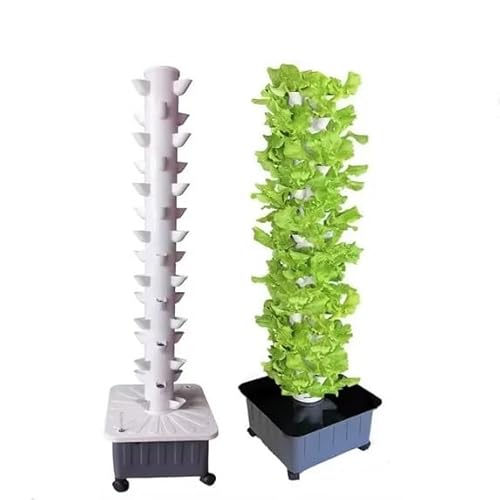
Best for users seeking high capacity and flexible layout options. With 15 layers and 45 planting sites, this tower supports a wide variety of herbs, leafy greens, and compact fruiting plants. It emphasizes water-efficient aeroponic-like circulation and mobility to adapt to different room layouts. A note: the stated mobility is a plus, but ensure the base remains stable on smooth floors. Best for: ambitious indoor growers who want a broad assortment of plants in a single unit.
SJZX Hydroponics Growing System Kit (30 Planting Holes)

Best for learners and families exploring year-round harvests. This five-layer system houses 30 planting holes and includes smart timer features for automated watering. The compact footprint makes it a strong educational tool for children and beginner gardeners, illustrating hydroponics basics while delivering fresh herbs and vegetables. Limitation: instruction clarity and assembly complexity can vary; plan for setup time. Best for: classrooms, young growers, and individuals prioritizing automation and learning by doing.
DPROOTS Hydroponics Tower (45 Pods, 360° Lighting)

Best for multi-plant versatility in a compact footprint. This 45-pod tower fits several leafy greens, herbs, and compact fruits indoors, supported by full-spectrum LEDs and a 360° lighting approach. A 59-inch head pump and reservoir system promote consistent water circulation, aiding growth. Caution: LED lighting and components should be managed to avoid overheating in small spaces. Best for: seasoned indoor gardeners who want high output and dense planting in a single structure.
VEVOR Hydroponic Growing System (6 Tiers, 30 Pods) With Grow Light

Best for year-round indoor gardening in dim spaces. The six-tier design houses 30 planting pods and includes a 16W LED grow light for plants in low light conditions. The system integrates a 20L water tank, allowing monthly refills, and a quiet 7W micro-pump for steady circulation. Caution: ensure the light cycle aligns with plant needs; too long or too short can affect growth. Best for: apartment dwellers seeking stable lighting and reliable water management.
Buying Guide
What should you consider before buying a vertical hydroponic grow tower?
Capacity vs. footprint: Decide how many plants you want to grow and how much space you can dedicate. Higher pod counts mean more harvest opportunities but require sturdier placement and more light and water management.
Water and nutrient management
Look for systems with recirculating pumps, clear water tanks, and timers. Consistent water flow and oxygen delivery to roots are essential for fast, healthy growth. Tanks between 20–30 liters are common for mid-sized towers, reducing refills without overwhelming smaller spaces.
Lighting and energy use
Integrated grow lights help with year-round cultivation, especially in rooms without strong natural light. Check the light output and color temperature. Energy-efficient circulators and timers can save power and extend system life.
Mobility and placement
Some towers offer movable water tanks and lightweight frames for arranging layouts in kitchens or living rooms. Stable bases and caster wheels improve maneuverability but ensure the structure remains secure on busy floors.
Maintenance and ease of use
Consider how easy it is to refill water, replace nutrients, and clean components. Systems with clear reservoirs and modular pods simplify ongoing care. Timers and digital controls add automation but require initial setup and occasional calibration.
Target user perspectives
Beginners benefit from simpler timers and guided assembly, while experienced growers may prefer high-capacity towers with advanced lighting and robust circulation. Families and roommates often prioritize compact footprint and low maintenance to maintain daily routines.
Summary of key differences
- Best for high density: 45-pod towers offer the most planting sites in a compact footprint.
- Best for small spaces: 30-pod or 6-tier towers fit easily on counters or balconies.
- Best for automation: Systems with smart timers and LED lighting reduce manual work.
- Best for education: Lower-tier, 30-hole units are straightforward for learners and kids.
FAQ
- Q: Do vertical hydroponic towers use less water than soil gardens?
- A: Yes. Hydroponic towers recycle water, often achieving high efficiency and reducing waste compared with traditional soil farming.
- Q: Are these systems easy to set up for beginners?
- A: Some models emphasize easy assembly and automated features, while others may require more setup time. Look for towers with clear instructions and timers if you’re new to hydroponics.
- Q: Can I grow fruits in vertical towers?
- A: Yes, many towers support leafy greens, herbs, and compact fruiting plants, though capacity and lighting may influence what you choose to grow.
- Q: How often should I refill the water tank?
- A: Tank size and plant load determine refill frequency. Larger tanks reduce refills, but you should routinely check water levels and nutrient concentration.
- Q: Is there a maintenance routine I should follow?
- A: Regularly inspect pumps, tubing, and lights; clean reservoirs to prevent algae growth; and replace nutrient solutions as directed by the system’s guidelines.