Introducing a hands-on approach to outdoor learning, these kid-friendly vegetable garden kits blend science, responsibility, and play. From observing root growth to planting tasty veggies, these products help children understand biology, ecology, and healthy eating in a colorfully engaging way. Below, you’ll find five top picks that balance education, simplicity, and lasting engagement for budding young gardeners.
| Product | Brand | Key Benefit |
|---|---|---|
| Discovery™ Edible Veggie Garden Watch-It-Grow Kit | Discovery Kids | Transparent container reveals root growth |
| Gardening Root Viewer for Kids | HopeTiger | Dual growing methods: soil and hydroponic |
| Root Viewer Kit for Kids | Geynaw | King-size observation window for underground view |
| HERSITY Carrot Harvest Game | HERSITY | Imaginative pretend gardening play |
| My Little Garden – Wooden Playset | Imagination Generation | Realistic grow-and-harvest experience |
The selections below emphasize safe, age-appropriate activities that teach sequencing, measurement, and care for living things while keeping kids engaged through interactive play. Each section provides a concise overview, what makes it a strong educational tool, and practical ideas for use at home, in classrooms, or as thoughtful gifts for young makers.
Discovery Edible Veggie Garden Kit

The Discovery Kids kit is a compact, all-in-one STEM activity designed to introduce children to vegetable gardening through an accessible, hands-on format. It includes a clear garden container, a drainage tray, seed packets, potting mix, a root ruler, and seed ID flags—everything needed to start a small crop of carrots, radishes, and spring onions. A standout feature is the see-through garden that makes the growth process visible—from seed to root to shoot—providing a concrete, visual lesson in plant biology. Children can observe how roots expand and how stems emerge, turning abstract concepts into something tangible.
Educational value centers on biology, botany, and agricultural science, with a gentle emphasis on responsibility and project planning. The kit is well-suited for at-home learning or small-group classroom activities, offering structure without sacrificing curiosity. Parents and educators can extend learning by tracking plant growth over weeks, measuring root length, and comparing growth under different care scenarios (e.g., varying water amounts or potting mix moisture). The modular setup also introduces basic troubleshooting, such as addressing overwatering or seed germination challenges.
Recommended activities: keep a simple garden log, chart weekly growth, compare growth rates of different vegetables, and discuss the purpose of each component (container, seed packets, and root ruler). The kit’s inclusivity—seed packets, soil, and tools—minimizes extra purchases, making it an especially practical entry point into beginner gardening for kids aged 6 and up.
Gardening Root Viewer for Kids

The HopeTiger Root Viewer introduces a dynamic, dual-growing approach. Kids can experiment with soil-based gardening for a traditional growth experience or switch to hydroponics for a cleaner, faster method that showcases root and shoot development more dramatically. This flexibility supports varying learning preferences and classroom setups, making it adaptable for both independent play and guided lessons.
All-inclusive by design, the kit includes a transparent root viewer, hydroponic basket, soil pods, aquatic pod, spray bottle, water-absorbing cords, tools, plant labels, and seed kits featuring green onions, peas, wheatgrass, and more. This broad seed selection invites kids to observe different germination timelines and root structures, reinforcing the scientific method through repeated observation, hypothesis testing, and data recording. The hands-on nature of root observation helps cultivate patience, careful measurement, and curiosity about plant physiology.
Educational value expands to systems thinking—students see how water, nutrients, light, and growing medium interact to influence growth. It’s ideal for home science corners or weekend family projects that blend play with inquiry. Practical tips include keeping a simple science journal, sketching root outlines, and comparing hydroponic versus soil results over several weeks to build inference skills.
Root Viewer Kit for Kids

The Root Viewer Kit from Geynaw emphasizes a king-size, see-through observation window that reveals the underground world of roots. This design choice makes root systems visually accessible, turning an invisible process into a tangible learning moment. The kit includes a 15-piece set that covers the essentials for starting a kid-friendly garden project: the large root-view container, a water storage component, a small set of garden tools, plant labels, and a guidebook with practical activities.
What makes this option compelling for schools and families is its focus on creativity and responsibility. Children decorate and personalize their root-view container, turning gardening into an art project as well as a science project. By watching roots grow and then comparing different plant types, children develop observational skills and a growing sense of cause and effect in living systems. This kit supports early STEM education while offering room for imaginative play and storytelling around a pretend farming journey.
Suggestions for use include weekly root-size measurements, documenting color changes in foliage, and discussing how root health reflects overall plant health. The kit’s transparent design naturally invites questions about nutrition, oxygen, and soil biology—great prompts for guided discussions and structured science journals.
My Little Garden Wooden Playset
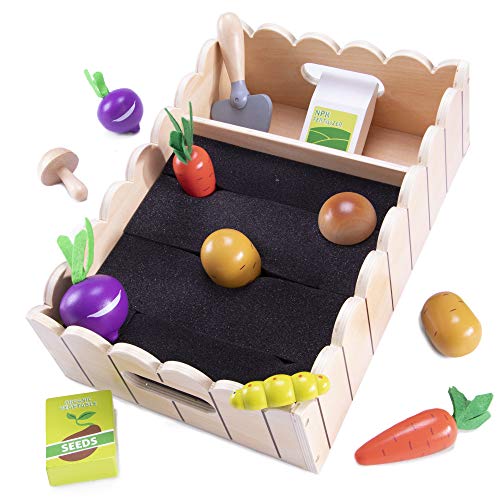
Imagination Generation’s My Little Garden wooden playset blends play with a hands-on planting theme. The set includes essential garden items and seed props to simulate planting, growing, and harvesting. It emphasizes the “grow-your-own” narrative through realistic tools and a Grower’s Guide, which helps children learn fundamental gardening steps while engaging with tactile materials. The wooden design adds a tactile, durable element suitable for ongoing play, making it a long-lasting addition to any kid’s learning corner.
Educational value centers on route-by-route skill-building: following a sequence to plant seeds, caring for plants, and understanding harvest timing. The included pretend tools and seed packets invite role-play that reinforces language development, cooperation, and planning. For families, this kit can pair with simple science activities—keeping a harvest diary, sketching plant parts, or comparing pretend planting with real planting in a windowsill garden.
Practical classroom extensions include setting up a small “garden station” where children rotate through tasks (planting, watering, labeling, and recording). For home use, pair this kit with a simple plant care chart and a weekly discussion about plant needs and seasonal changes to build scientific literacy in a fun context.
Buying Guide: Key Purchase Considerations For Kid-Friendly Vegetable Gardens
- Age-appropriateness: Look for kits designed for children in the target age range (often 5–12). Simple observational tasks suit younger kids, while older children can handle more complex experiments and data recording.
- Learning goals: Consider whether the kit prioritizes root observation, hydroponics, seed germination, or pretend play, and align with your educational objectives.
- Materials and safety: Favor non-toxic materials, kid-friendly tools, and sturdy containers that can withstand frequent handling and cleaning.
- Observation and data collection: Kits with measurement aids (rulers, seed IDs, growth logs) help develop data literacy and scientific thinking.
- Durability and reuse: Durable boxes and components enable ongoing use across seasons, classrooms, and family activities, maximizing learning value.
- Flexibility: Dual-method kits (soil and hydroponic) or expandable seed sets provide varied experiences and adaptability for different spaces (indoors vs. outdoors).
- Educational support: Look for accompanying guides, activity sheets, and growth trackers that structure learning while allowing creativity.
- Space considerations: Choose compact kits for apartments or desks, or larger setups for backyards and classrooms.
- Cost and value: Compare included components (seeds, soil, containers, tools) to determine overall value and long-term use.
In selecting a vegetable garden kit for kids, balancing educational depth with engaging play is key. The best options provide clear observation opportunities, room for experimentation, and materials that inspire curiosity without overwhelming young learners. Whether a classroom project or family weekend activity, these kits help foster a lifelong interest in science, nature, and healthy eating.