Answer: Use a raised-bed ready compost mix that enhances moisture, drainage, and nutrient availability. This guide reviews five top options designed to improve soil structure for vegetables in raised beds, helping urban and suburban gardeners choose the right blend. Each product suits specific needs, from moisture retention to lightweight, peat-free formulas. Whether you’re growing tomatoes, peppers, or leafy greens, selecting the right compost mix supports steady yields and healthier roots in compact spaces.
| Product | Best For | Key Benefit |
|---|---|---|
| Vermont Compost Company Raised Bed Mix | Vegetables, herbs, long-season beds | Moisture retention with good drainage; less compaction |
| Espoma Organic Raised Bed Mix | All organic gardeners | Earthworm castings and mycorrhizae for root health |
| Purple Cow Organics All Purpose Veggie Mix | Containers and raised beds | Organic, ready-to-use blend suitable for tight spaces |
| Michigan Peat BACCTO Raised Bed Soil | All plant types in raised beds | Ready-to-use mix with compost, manure, and earthworm castings |
| Organic Mechanics Planting Mix | Soil revitalization and raised beds | Peat-free, coconut coir, worm castings for aeration and moisture |
Vermont Compost Company Raised Bed Mix
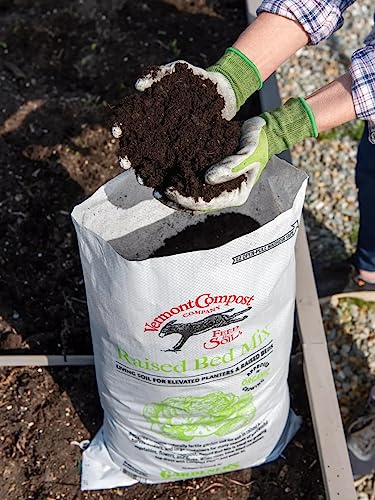
Best for: vegetable beds that benefit from a soil-like texture and natural fertility. This mix mimics garden soil, promoting long-term root exploration while reducing compaction. It holds moisture without waterlogging, which helps with succession plantings and extended harvest windows.
Why selected: It offers a balanced blend designed to support vegetables, flowers, and herbs in raised beds and large containers over multiple seasons. The focus on natural fertility supports sustained growth with fewer amendments.
Caution: The blend may appear lighter in some batches; monitor irrigation to avoid drying out in hot climates.
Espoma Organic Raised Bed Mix

Best for: organic gardeners seeking a soil that supports diverse vegetables and herbs with built-in nutritional complexity. The mix blends natural ingredients with beneficial microbes for robust root systems.
Why selected: It includes earthworm castings, alfalfa meal, kelp meal, and feather meal, plus MYCO-TONE mycorrhizae to encourage nutrient uptake and water efficiency. This makes it a solid all-purpose raised bed option with organic credentials.
Caution: Rich organic matter may temporarily alter soil pH; adjust planting plans if pH sensitivity is a concern.
Purple Cow Organics All Purpose Veggie Mix
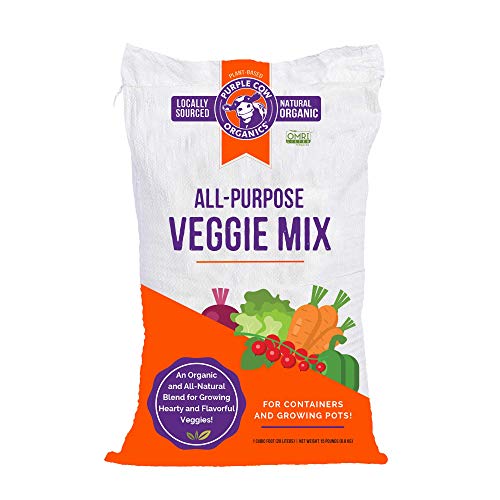
Best for: gardeners with limited space who need a ready-to-use, organic compost blend for raised beds and containers. It’s designed for vegetables, herbs, and small-space gardens alike.
Why selected: The mix is OMRI-listed and focuses on compost-based nutrients plus organic matter. This makes it attractive for organic producers and hobbyists seeking natural inputs in compact plots.
Caution: Being compost-based, results depend on consistent moisture; irregular watering can limit nutrient availability.
Michigan Peat BACCTO Raised Bed Soil

Best for: all-round raised bed gardeners who want a ready-to-use soil blend with organic matter and microbial support. Suitable for vegetables, herbs, and flowering plants.
Why selected: It combines compost, manure, and earthworm castings to deliver slow-release nutrients while improving soil structure and moisture management. This makes it a versatile option for varied planting schemes.
Caution: Heavier texture may require more frequent watering in very hot environments; plan irrigation accordingly.
Mushroom Soil Compost Pail

Best for: small-scale raised beds and container gardens where you want quick improvements in soil structure and fertility. Works well for tomatoes, peppers, herbs, and ornamentals.
Why selected: It provides nutrient-rich organic compost that improves soil structure and drainage, helping plant roots explore more deeply in raised beds.
Caution: Smaller bag size may require more frequent replenishment in larger beds; monitor nutrient balance over an entire season.
Buying Guide
What should I consider when choosing raised-bed compost?
Think about plant types, bed size, and irrigation. Choose a mix formulated for raised beds that balances moisture retention with drainage. If you’re organic, prefer blends with earthworm castings and mycorrhizae. For containers, consider lighter, ready-to-use blends that won’t compact quickly.
How does compost composition affect vegetables?
Organic matter improves soil structure, aiding root growth and water holding capacity. Nutrients like nitrogen, phosphorus, and potassium support vegetative growth and yields. Mycorrhizae enhance nutrient uptake, especially in poor soils. Peat-free options boost sustainability and root aeration.
Which option works best for urban or small-space gardening?
Look for ready-to-use mixes that are lighter in texture and formulated for containers or raised beds. Organic blends with built-in microbes help plant health in limited space where soil quality is often poorer than in-ground beds.
What are common drawbacks to watch for?
Overly rich mixes can lead to rapid growth followed by nutrient flushes; monitor watering to prevent soggy roots. Some blends may alter pH, requiring occasional adjustments. Heavier soils may compact in extreme heat without proper irrigation.
How should I plan irrigation with these products?
Raised beds typically need deeper, slower watering to reach root zones. Use drip irrigation or soaker hoses, and mulch to maintain even moisture. If blends are very sandy or very rich in organic matter, adjust water frequency accordingly.
How to compare products quickly?
Ask: Is it peat-free? Does it include beneficial microbes? Is it designed for raised beds or containers? Does it require less overall amendment? Does it retain moisture without causing waterlogging? These factors help identify the best fit for your garden style.
Frequently Asked Questions
- What is the best compost for raised beds? A balanced mix designed for raised beds with moisture retention, good drainage, and organic nutrients is ideal. Look for products that include compost, manure, worm castings, and mycorrhizae.
- Are organic blends better for vegetables? Organic blends support soil biology and reduce chemical inputs, which is favorable for edibles and long-term soil health.
- Can I use compost in containers? Yes, but choose a ready-to-use mix formulated for containers to prevent compaction and ensure proper drainage.
- How often should raised beds be amended? Many blends support season-long nourishment with periodic applications every 1–2 months during the growing season, depending on plant needs.
- Do these products require extra fertilizers? Some blends provide substantial nutrients, while others are lighter in immediate nutrient content. Follow planting calendars and monitor plant performance to decide if additional feeding is necessary.
- Is peat-free important? Peat-free options are more sustainable and can improve drainage and aeration, especially in raised beds with frequent irrigation.