Cedar remains a popular choice for raised beds thanks to natural rot resistance, pleasant aroma, and minimal maintenance. This guide highlights untreated cedar options that keep soil contact chemical-free while delivering sturdy, long-lasting garden foundations. Below, five top picks emphasize size, depth, and ease of assembly to help American gardeners choose confidently for herbs, vegetables, and flowers alike.
The table below summarizes five strong cedar options, focusing on untreated wood, construction quality, and practical features for raised-bed gardening.
| Product | Brand | Approx. Size / Capacity | Notable Features | Link |
|---|---|---|---|---|
| Maple99 Raised Garden Bed with Legs | Maple99 | 48x24x30 inches; 200 lb capacity | Premier cedar, elevated legs for back-friendly gardening, paintable finish | View |
| Infinite Cedar Deep Root Bed Kit | Infinite Cedar | 16.5″ depth | Deep-root design; easy assembly; durable 1″ boards | View |
| Infinite Cedar Select Cedar Raised Bed | Infinite Cedar | 2′ x 8′ x 14″ H | 100% natural Western red cedar; dovetail corners; easy assembly | View |
| Cedar Raised Garden Bed, 4ft x 4ft | Generic | 4′ x 4′ x 12″ | Spacious, weather-resistant cedar; ergonomic height | View |
| EARTH ELEVATED 100% Canadian Cedar Bed | EARTH ELEVATED | 18″ x 36″ x 30″ | Ergonomic elevated design; built-in drainage; compact footprint | View |
Product Sections
Maple99 Raised Garden Bed With Legs

The Maple99 raised bed emphasizes elevation and practical ergonomics. Measuring 48x24x30 inches, it provides a wide planting area while keeping soil materials easily accessible with a comfortable standing position. Its cedar construction is valued for natural insect-repelling properties, helping maintain plant health without synthetic treatments. The bed is designed to be paintable, enabling users to customize color or match outdoor décor. With a 200-pound soil-and-plant capacity, it balances space with stability for diverse plantings, from leafy greens to compact flowering varieties. Assembly is described as straightforward, offering a satisfying DIY experience for weekend gardeners.
Key considerations include the balance between height and soil depth for root development and the ease of maintenance afforded by elevated framing. Cedar’s natural resilience supports longevity in outdoor conditions, though prolonged exposure to moisture still benefits from proper drainage and occasional maintenance checks. This option is well-suited for back-friendly gardening and for gardeners who prefer a ready-to-assemble cedar bed without hardware-intensive construction.
Infinite Cedar Deep Root Cedar Raised Bed Garden Kit

The Infinite Cedar Deep Root Bed focuses on root-zone depth, offering 16.5 inches of soil depth to accommodate larger or deeper-rooted plants. The kit uses 1-inch-thick premium boards and a robust joint design intended to resist bowing under heavy moisture. It is constructed to assemble quickly, and all hardware is included, simplifying the setup process for users who want a sturdy cedar frame without complex tools. The deep root design supports vegetables like carrots, potatoes, and beet varieties, as well as larger herbs and perennials, making it a versatile option for expanding garden variety while maintaining durability in a cedar framework.
Practical considerations include the benefits of deeper beds for certain crops and the durability of cedar under varying climates. While deep beds improve root growth, they also require careful irrigation planning to avoid waterlogging. The included hardware and modular design offer flexibility for future expansion or reconfiguration as garden needs evolve.
Infinite Cedar Select Cedar Raised Garden Bed
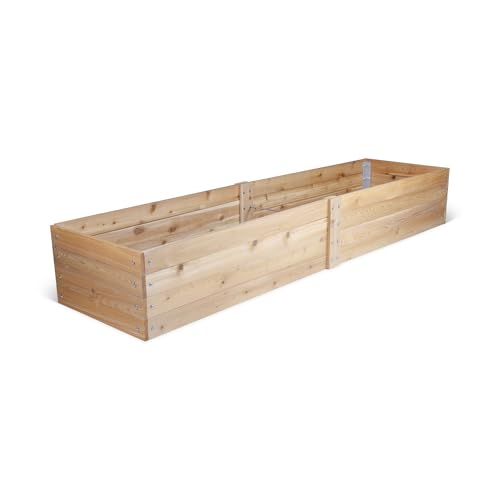
The Infinite Cedar Select bed showcases 100% natural Western Red Cedar from North America, known for weather resistance and durability. The 2′ x 8′ footprint provides a long, narrow planting area suitable for rows of vegetables, herbs, or flowering plants. Notably, this bed uses durable dovetail corners engineered to endure the stress of wet soil without tearing away. Pre-cut and pre-drilled boards make assembly straightforward, with the option to leave the bed unfinished to age naturally or to paint or stain to suit an aesthetic preference. The wood’s natural properties help minimize the need for synthetic sealants or finishes in the short term.
Considerations for this option include its elongated shape, which is great for narrow spaces or raised-row gardens, and the decision between leaving cedar to age gracefully or applying a protective finish. For homeowners seeking a long, low-maintenance cedar bed, this model delivers a solid balance of natural beauty and practical build quality.
Cedar Raised Garden Bed, 4ft x 4ft

This Cedar Raised Garden Bed offers a spacious 16 cubic feet growing area within a 4′ x 4′ footprint and 12-inch height. Constructed from weather-resistant cedar, it aims to deliver long-term durability in varied climates. Its ergonomic height reduces bending and kneeling strain, supporting comfortable gardening sessions. The open-top design with cedar framing provides straightforward assembly and a flexible planting layout. For gardeners prioritizing space efficiency and a classic cedar aesthetic, this option aligns with many standard raised-bed configurations used in home gardens and patio spaces.
Important considerations include the balance between bed height, soil depth, and the region’s rainfall patterns. Cedar’s natural resistance helps enhance longevity, though occasional sealing or protective maintenance can extend life in harsh environments. This design suits hobbyists and small-space gardeners seeking a traditional cedar bed with a simple, robust frame.
EARTH ELEVATED 100% Canadian Cedar Bed

The EARTH ELEVATED cedar bed emphasizes ergonomic benefits and compact design for patios, balconies, and decks. Measuring 18″ x 36″ x 30″, it aims to maximize vertical gardening potential while keeping soil contact wood free from chemical treatments. The elevated frame reduces the need to bend deeply, aiding gardeners with back or joint discomfort. Its Canadian cedar construction adds a regional authenticity and a reputation for sturdy, long-lasting outdoor furniture-grade wood. This model supports a range of herbs, vegetables, and flowers in a small footprint, making it an attractive option for urban or balcony gardening where space is at a premium.
Key purchase considerations include the height-to-footprint ratio, drainage management within elevated designs, and the wood’s natural aging characteristics. For those prioritizing a chemical-free approach and a refined aesthetic, this option provides a balanced combination of form and function, with a focus on comfortable use and reliable cedar performance.
Buying Guide: Key Considerations For Untreated Cedar Raised Beds
Wood Quality And Source
Choose cedar labeled as untreated and sourced from reputable regions. Western Red Cedar is common in North America and known for natural rot resistance without chemical treatments. Look for boards with consistent thickness and smooth edges, and confirm there are no hidden finishes that could affect soil contact.
Depth, Height, And Plant Needs
Bed depth affects root growth—deeper beds support root vegetables and perennials, while shallower beds suit greens and herbs. Consider ergonomic height options to minimize bending. Elevated beds can reduce back strain and simplify maintenance, but ensure adequate drainage to prevent soggy roots.
Construction And Durability
Common joints include dovetail or straightforward panel connections. Solid joints prevent wobble and resist moisture-related degradation. Check for hardware quality and ease of assembly, since DIY setups vary in complexity. A stable frame with proper corner support contributes to longevity in outdoor conditions.
Maintenance And Aging
Untreated cedar ages gracefully, developing a silvery-gray patina over time. You can leave wood unfinished for natural aging or apply non-toxic finishes if you want color or extra protection. Ensure you monitor for warping or splitting after several seasons, especially in climates with heavy rainfall or freeze-thaw cycles.
Size And Garden Planning
Measure your space to ensure a bed fits without crowding pathways or nearby structures. Think about planting plans and accessibility—beds with wider paths around them facilitate easier care and harvesting. For long narrow spaces, consider cedar beds with extended lengths that fit along fences or patios.
Environmental And Aesthetic Considerations
Cedar’s natural aroma and color contribute to garden aesthetics while offering eco-friendly benefits. An untreated cedar bed aligns with sustainable gardening principles by avoiding synthetic coatings that could leach into soil. The visual appeal of cedar also complements a wide range of outdoor decors, from traditional to contemporary settings.