Answer: These tropical fruit bearing trees are ideal for outdoor spaces in warm climates and for container gardening in cooler regions. They offer edible fruit, lush foliage, and ornamental value. This guide highlights five well-suited options, explains who each is best for, and identifies key considerations like sun, soil, and water needs. Use the quick reference table below to compare top picks at a glance.
| Product | Best for | Ideal Growing Zone |
|---|---|---|
| 3 Pineapple Guava (Feijoa) Trees | Compact homes and small spaces | Zones 8–11 |
| Honey Kiss Mango Tree | Warm climates, patio containers | Zones 9–11 |
| Banana Tree Seeds | Indoor displays or large containers | Zones 8–11 (trostable indoors in cooler areas) |
| Illinois Everbearing Mulberry Tree | Showpiece fruiting shade tree | Zones 4–9 |
| Dwarf Red Pomegranate Tree | Sunny patios and small yards | Zones 7–11 |
Below you’ll find practical, buyer-focused profiles for five tropical fruit bearing options. Each section explains who benefits most, why the option was selected, potential drawbacks, and how to care for it in typical home settings.
3 Pineapple Guava (Feijoa) Trees

Best for: Small spaces and low-maintenance fruiting. These Pineapple Guava saplings arrive in 2.5-inch nursery cubes and are described as drought-tolerant and self-sufficient. They’re evergreen, with the potential to function as a hedge or a compact tree. Suitable for USDA Zones 8–11 with care tips noted in the product description.
Why selected: Feijoa Sellowiana offers year-round visual appeal and edible fruit with relatively modest space requirements. The 2.5-inch cube size makes transplanting straightforward for containers or garden beds. The plant’s drought tolerance supports water-wise landscapes.
Limitations: Growth habit ranges from a pruned shrub to a 15-foot tree, so space planning is important. Check local frost protection needs if you’re near Zone 8 boundary. Planting in well-drained soil helps avoid root stress.
6 Pineapple Guava (Feijoa) Trees
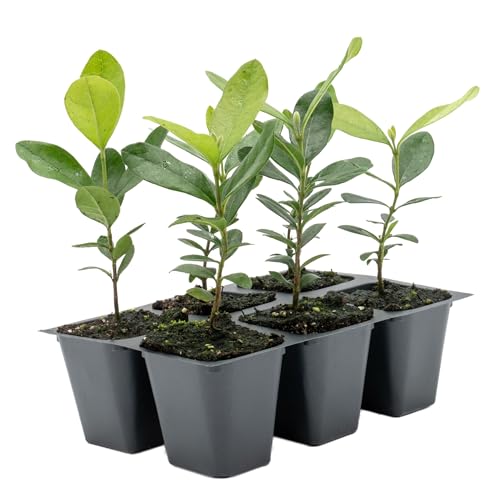
Best for: Generous groves or larger container setups. These six saplings come in 2.5-inch nursery cubes and share the same drought-tolerant trait and year-round evergreen appeal as the smaller set.
Why selected: A larger batch offers faster landscape impact and fruiting potential in a single space. The plant’s resilience supports low-maintenance care while providing ornamental texture and edible harvests.
Limitations: As with any feijoa plant, monitor soil drainage and avoid overwatering. Plan for eventual size when choosing planting location to minimize pruning needs.
Honey Kiss Mango Tree
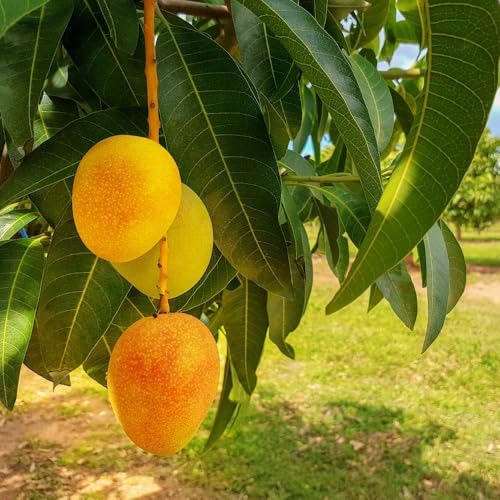
Best for: Warm climates and container-friendly gardens. This dwarf tropical mango is seed-grown and reaches 8–12 inches as a starter, ideal for pots or small spaces. Suitable in Zones 9–11 with full sun and well-draining soil.
Why selected: The Honey Kiss variety emphasizes a compact form with honey-like, fiberless flesh, making it attractive for edible landscaping where space is limited. It is relatively easy to establish in warm environments.
Limitations: Mango trees require consistent sun and heat to fruit reliably. In cooler nights or cloudy seasons, fruit set may be delayed or reduced. Provide adequate drainage to prevent root issues in pots.
Banana Tree Seeds
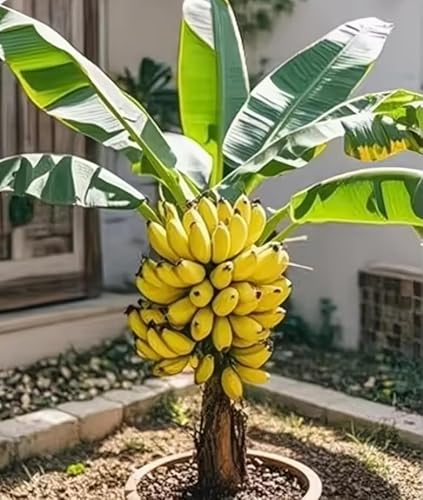
Best for: Indoor displays, patios, or bonsai-style setups. These seeds enable growing a tropical banana plant from seed, with mature plants reaching 6–15 feet in height depending on variety in warm conditions.
Why selected: For gardeners seeking dramatic tropical foliage and a potential fruit source in warm zones, seed-grown bananas offer a direct route to a sizable, container-friendly plant. Easy-to-propagate seeds support beginner-friendly growth.
Limitations: Bananas require a long warm growing season and consistent moisture. In cooler regions, grow indoors or in a bright, heated space to mimic tropical conditions.
Illinois Everbearing Mulberry Tree

Best for: A striking fruiting tree that combines ornamental beauty with edible Harvests. Mulberries add visual appeal and seasonal fruit in the same plant.
Why selected: Mulberries are resilient and adaptable, often thriving in varied soils and light conditions. They make a strong focal point in gardens while delivering fruit over multiple seasons.
Limitations: Mulberry trees can spread vigorously in favorable conditions. Pruning may be necessary to maintain shape and prevent overgrowth in small spaces.
Dwarf Red Pomegranate Tree

Best for: Sunny patios and compact gardens where bright blossoms and fruit are both desired. The Dwarf Red Pomegranate features glossy foliage and ornamental flowers that lead to edible fruit Grown in containers or small landscapes.
Why selected: The dwarf form makes pomegranates accessible for home growers with limited space. The plant’s attractive flowers and fruit contribute to both aesthetics and harvest potential.
Limitations: Requires full sun for best flowering and fruit set. Watering should be deep but infrequent once established to avoid root rot in container settings.
Buying Guide: Key Purchase Considerations
- Space and growth habit: Choose compact forms for containers and small yards; larger trees for open spaces.
- Climate compatibility: Match the plant’s hardiness zone to your local climate and plan for frost protection where needed.
- Sun and soil needs: Most tropical fruit trees prefer full sun and well-draining soil; amend soil where necessary and ensure good drainage in pots.
- Watering regime: Drought-tolerant varieties may require less frequent watering, but established trees still need consistent moisture during fruiting and root development.
- Fruit timing and maintenance: Some trees fruit annually, others intermittently. Pruning requirements vary by species to maintain size and encourage fruiting wood.
- Container vs. in-ground: Containers offer portability and climate control but may require more frequent watering and fertilization; in-ground plants may grow larger and fruit earlier with established root systems.
FAQ
- Are these tropical fruit trees suitable for indoor growing?
Many can be grown in containers indoors with bright light, but fruit production is more reliable outdoors in warm climates.
- Do these trees require special care beyond basic watering?
General care includes full sun, well-drained soil, and regular pruning for size control and fruiting. Some species benefit from seasonal fertilization.
- Which trees are best for small spaces?
Feijoa (pineapple guava) varieties in compact cube form and the dwarf pomegranate are well-suited for limited space while still offering fruit and visual appeal.
- Can I grow these in zones outside their native ranges?
Certain tropical fruit trees tolerate warmer microclimates or indoor growing, but regional climate constraints may limit fruiting and long-term survival.
- What is the expected fruiting window for these trees?
Fruit timing varies by species and climate; some fruit annually while others have extended or irregular harvests depending on weather and pruning.