Plan your shade strategy with trees that thrive in Zone 7’s mix of warm summers and cool temperate seasons. This guide highlights five top options, suitable for creating cooling canopies, improving curb appeal, and supporting local wildlife. Each pick trades off growth speed, size, and soil preferences, so you can choose the best fit for your yard, budget, and climate. The buyers below target homeowners seeking fast shade, drought-tolerant landscapes, or privacy screens without sacrificing long-term health.
Buyer types these selections best serve:
– Faster shade seekers: trees that establish quickly to provide dense canopy within a few seasons.
– Water-conscious gardeners: adaptable soil tolerances and moisture-friendly species.
– Privacy planners: tall, spreading forms that block neighbors and wind.
– Native-friendly landscapers: options offering ecological benefits and wildlife support.
Comparison At A Glance
| Tree | Size at Maturity | Soil Preference | Zone Compatibility | Best For |
|---|---|---|---|---|
| Weeping Willow (2-3 ft) | Moderate canopy, fast-growing | Moist, well-drained | Zone 4-9 | Speedy shade near water features or wet sites |
| Hybrid Poplar (10 Cuttings) | Very fast-growing, privacy | Well-drained, adaptable | Zone 3-9 | Screening and large shade quickly |
| Austree Willow (10 trees) | 10-15 ft/year growth | Moist to well-drained | Zone 6-9 | Fast privacy and windbreak |
| American Sycamore (5 pack) | Large shade tree, broad canopy | Moist, fertile soil | Zone 4-9 | Cast extensive shade and dramatic fall color |
| Southern Live Oak (1 gal) | 60-90 ft tall, wide crown | Well-drained, tolerates some drought | Zone 7-10 | Majestic, long-lived shade with strong structure |
Weeping Willow, Deciduous, Fast-Growing Shade Tree

Best for quick canopy creation in moist, well-drained soils, especially near water features. The Weeping Willow is a graceful, cascading option that adds a distinctive silhouette to lawns and ponds. Zone suitability generally covers Zone 7 and nearby regions, though note shipping restrictions apply in some states. The plant prefers loamy or sandy soils and consistent moisture to establish strong roots and branch structure.
Who it’s best for: homeowners seeking a striking centerpiece with rapid shade, particularly near moisture-rich sites.
Selection rationale: Its rapid growth and dramatic form make it trade well for speed over ultra-small yard constraints. If you need a dramatic screen and aren’t restricted by the shipping limitations listed, this tree offers immediate visual impact.
Limitations / caution: This species is a vigorous grower and can require considerable space; aggressive root and branch growth may demand regular maintenance to manage size and avoid conflicts with structures or utilities.
10 Fast Growing Hybrid Poplar Trees
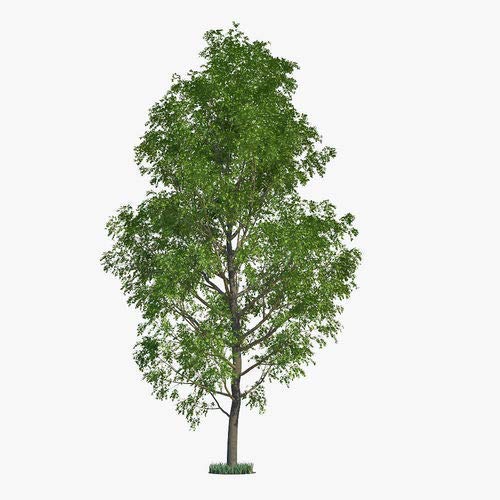
Best for immediate privacy and broad shade that quickly fills large spaces. These hybrid poplars are popular for their rapid growth and low-seed or cotton production, which reduces mess in some areas. Zone compatibility extends into Zone 7 and beyond, and the trees are noted for environmental benefits, including oxygen production and air filtration. Easy-to-grow claims are supported by the accompanying growing tips and basic care guidelines.
Who it’s best for: property owners needing quick screening or substantial shade without waiting decades for maturity.
Selection rationale: Choose this if your priority is fast screen development and straightforward maintenance. It’s particularly suitable for large yards and border lines where rapid privacy is desired.
Limitations / caution: Very rapid growth can require more frequent pruning and space planning to avoid conflicts with structures or power lines if planted too close to foundations or lines.
Austree Hybrid Willow Trees (10 Live Trees)

Best for fast-growing shade and privacy with a graceful silhouette. The Austree willows are designed for speed, generating height and dense foliage early in the landscape. Zone compatibility commonly includes Zone 6 through 9. They produce abundant oxygen and help filter the air, providing a strong visual impact in the landscape. The trees are advertised as easy to grow with low maintenance in many settings.
Who it’s best for: homeowners who want a reliable, fast-growing privacy screen or windbreak in open, sunny yards.
Selection rationale: Opt for this when the priority is rapid branch development and a lush canopy. It’s well-suited for larger properties where space isn’t a critical constraint.
Limitations / caution: As with other fast growers, ongoing pruning may be necessary to maintain shape and prevent overgrowth in constrained spaces.
Perfect Plants Southern Live Oak in 1 Gallon Pot

Best for a long-term, majestic canopy that matures into a towering shade tree with a broad crown. The Southern Live Oak thrives in Zone 7 and up, offering substantial shade and a durable structure that supports vast leaf canopies. It’s a slower-maturing option compared to poplars and willows but provides a classic, stately presence that can endure for centuries with proper care. Note: shipping restrictions may apply to certain states, particularly California and Arizona.
Who it’s best for: buyers seeking a durable, enduring shade tree with a stately growth habit and a broad crown for large yards.
Selection rationale: This is the pick for homeowners who want a landscape-defining tree with longevity and a classic look, capable of supporting substantial shade across generations.
Limitations / caution: Growth is slower than fast-growing willows or poplars, so initial shade development takes longer. Ensure you have space for its eventual width.
American Sycamore Seedlings (5 Pack)
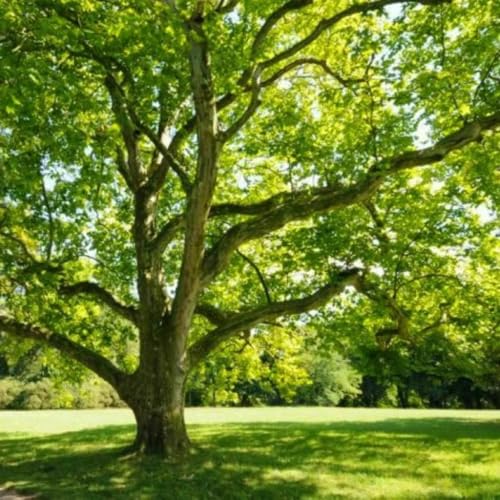
Best for broad, generous shade with a dramatic fall color display. Sycamores tolerate moist, fertile soils and grow into large, spreading trees that deliver extensive canopy. Zone compatibility includes Zone 7, making it a solid choice for substantial shade in Zone 7 landscapes. The 5-pack format supports multiple planting sites or a staggered canopy over time.
Who it’s best for: homeowners wanting immediate, broad shade across large lawns or park-like settings.
Selection rationale: Pick this option when you want a classic, large-canopy shade tree and can allocate space for a wide, multi-trunkable crown.
Limitations / caution: Sycamores can be large and have substantial root systems; plan placement away from underground utilities and pavement where roots may cause issues over time.
Buying Guide: Shade Trees for Zone 7
Key considerations when selecting Zone 7 shade trees include growth rate, mature size, soil and moisture tolerance, long-term maintenance, and how the tree will interact with existing structures and utilities. The following questions help refine choices:
- What is my yard size and how quickly do I want shade coverage?
- Is the site naturally moist or does it require supplemental irrigation?
- Am I seeking a formal, stately canopy or a more natural, layered look?
- Are there local restrictions or shipping limitations for certain species?
- How will the tree’s root system interact with sidewalks, foundations, or underground utilities?
Practical recommendations:
– For rapid mass shade, consider hybrid poplars or Austree willows, but plan for regular maintenance and space to manage their wide canopies.
– For long-term grandeur, southern live oak or American sycamore offer iconic shade and a strong landscape statement, with slower early growth but substantial canopy later.
– When soils are consistently moist or near water, willow-based selections perform well, but they may require more extensive pruning to manage size and form.
– If you want to avoid shipping restrictions, verify local availability and state-specific limitations before ordering.
Frequently Asked Questions
- What zone is best for weeping willows and willows in general?
- Do hybrid poplars require a lot of water?
- Are live oaks suitable for small yards?
- Which tree offers the best fall color among these options?
- What should I consider regarding shipping restrictions?
Most willow species perform well in Zones 4 through 9, with Zone 7 being a common and suitable region for many willow varieties. Ensure you have ample moisture and space for rapid growth.
Hybrid poplars are adaptable and generally tolerate a range of moisture levels, but they perform best with regular irrigation in hot, dry spells to maintain fast growth and canopy development.
Live oaks can become very large over time, with broad canopies. They are better suited to larger yards or landscapes where space and root coverage won’t conflict with structures and utilities.
American sycamore displays vibrant fall foliage, while some oaks and willows provide seasonal interest through foliage and bark texture, depending on the cultivar and local climate.
Several trees in this list have state-specific shipping restrictions, particularly for California and Arizona. Always verify current shipping eligibility and policy with the seller before placing an order.
Buying shade trees for Zone 7 involves balancing growth speed, mature size, and site conditions. Use this guide to compare candidates side by side and choose the option that best matches your landscape goals, available space, and local climate realities.