Creating a windbreak with the right trees can protect your home, garden, and outdoor spaces while adding year-round appeal. The following selections are known for dense growth, hardiness, and performance in typical American landscapes. Each option offers varying heights, maintenance needs, and locations—from wind-prone country lots to expansive rural estates—helping you balance shelter with aesthetics.
| Product | Type | Best For | Size/Format |
|---|---|---|---|
| 3 Giant Sequoia Trees in 2.5” Nursery Cubes | Evergreen Conifer | Large-scale windbreaks and landscape focal points | 3 live starter saplings in 2.5″ cubes |
| Brighter Blooms Austrian Pine Tree | Austrian Pine (Pinus nigra) | Durable windbreak with dense branches | 2-3 ft starter tree |
| Leyland Cypress (Multiple Sizes) | Leyland Cypress | Fast-growing privacy hedges and windbreaks | Various pots/sizes |
| Honey Locust Live Trees | Gleditsia triacanthos | Windbreaks, erosion control, wildlife habitat | Live trees with varied maturity |
| Compact Leyland Cypress (2gal / 3-4ft) | Leyland Cypress | Smaller space privacy hedges and windbreaks | 2 gal pot, 3-4 ft |
Giant Sequoia Windbreak Saplings

These ready-to-plant Giant Sequoia saplings provide a commanding presence for large landscapes and windbreaks. The set includes three rooted trees in 2.5-inch nursery cubes, suitable for long-term growth. Sequoias, also called Sierra Redwood, thrive in full sun and well-draining soil and are cold-hardy in USDA zones 6–8. In cultivation, many reach a modest height compared with the wild, offering a dramatic focal point while forming a dense canopy over time. They are ideal for estates, parks, and open properties seeking a monumental, evergreen screen.
Key considerations: long-term growth potential, space requirements, and eventual height. Plant in a location with ample clearance from power lines and underground utilities. The bark is thick and reddish-brown, contributing to winter interest along with evergreen foliage. For best results, ensure well-draining soil and gradual irrigation to establish strong roots.
Austrian Pine For Windbreaks

The Austrian Pine is a sturdy, dense evergreen that excels as a windbreak tree. It remains resilient against strong winds and offers a robust canopy with durable, compact branches. Known as European Black Pine, it provides year-round privacy and visual structure in landscapes. This selection is suitable for gardeners starting out or those seeking a reliable, low-maintenance evergreen with strong wind resistance. It complements larger trees or can anchor a windbreak line along the property edge, especially in areas facing persistent gusts.
Growth and care notes: plant in full sun and well-drained soil; establish with initial watering, then reduce frequency as roots establish. It tolerates colder climates and provides reliable screening as it matures. Pruning should focus on maintaining a strong central leader while avoiding excessive shaping that could reduce wind resistance.
Leyland Cypress Fast Windbreaks

Leyland Cypress is a classic pick for rapid windbreaks and privacy hedges. The Eureka Farms variants shown come in multiple sizes, with dense, dark green foliage that maintains year-round coverage. Growth can be impressive, often reaching several feet annually under good conditions, making it suitable for quickly establishing shelter along property borders. These trees are noted for their farm-grown quality and striking form, providing a strong vertical screen while remaining adaptable to a range of soil types and climates.
Planting guidance: select well-drained soil and plant with adequate spacing to avoid overcrowding as the grove thickens. Regular watering during establishment supports root development. Pruning can help emphasize the natural pyramid shape and promote uniform density along the windward edge.
Leyland Cypress, 5 Gal Size Windbreak
This Leyland Cypress offering focuses on rapid height gain to establish privacy quickly. It features dense, dark green foliage that provides year-round screening and an elegant stance in landscape borders. With a growth rate of up to five feet per year, it is among the fastest options for windbreaks and privacy hedges. Suitable for large or medium-sized landscapes, it complements other evergreens and can anchor a long hedge line with consistent density.
Care pointers: provide ample space between trees for air movement and root expansion. Water during dry spells until established, then rely on natural rainfall. Combine with slower-growing evergreens to create a layered windbreak that remains effective at different heights.
Honey Locust Windbreak Trees
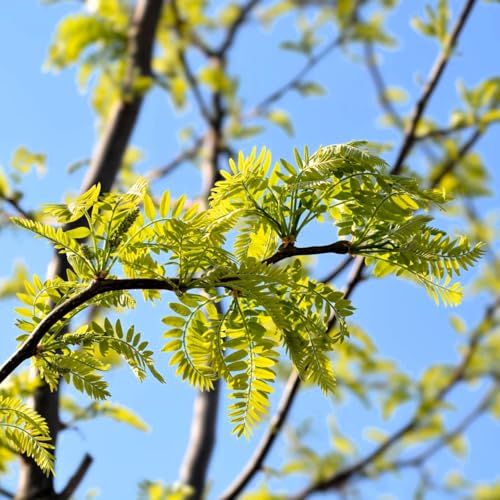
Honey Locust offers a versatile, hardy option for windbreaks and erosion control. This deciduous tree can reach tall heights and develops an open, airy crown that still provides seasonal shelter. It tolerates a wide range of soils, resists drought, and can withstand pollution and salt. While prized for wildlife habitat and resilience, potential buyers should note that sharp thorns may be a consideration around homes and children’s play areas. Its fast growth makes it a practical choice for establishing coverage over time.
Establishment tips: provide full sun and consistent moisture during the first growing season. Monitor for pests and seasonal leaf color changes. For long-term wind protection, combine with evergreen species to maintain shelter year-round even when deciduous trees lose leaves in winter.
Buying Guide: Key Windbreak Purchase Considerations
- Climate suitability: Match species to USDA hardiness zones, soil type, and sun exposure to ensure year-round shelter and growth.
- Growth rate and mature size: Consider how quickly you need wind protection and the eventual height and spread to avoid interference with structures, power lines, or underground utilities.
- Root systems and soil impact: Deep, aggressive roots can affect irrigation and foundation systems; select varieties with compatible root structures for your site.
- Maintenance needs: Some evergreens require minimal pruning, while others need regular shaping. Balance labor capacity with desired density and appearance.
- Wildlife and safety: Native species can attract beneficial wildlife; consider thorn presence, needle drop, and debris when planning placement near living areas or driveways.
- Aesthetic layering: Combine evergreen and deciduous trees for a multi-season windbreak that offers screening in winter and seasonal interest in summer.
- Soil preparation and irrigation: Ensure well-draining soil and establish a watering plan during the first growing seasons to promote strong root establishment.