Choosing the right hand tiller for flower beds helps improve soil structure, aeration, and drainage—key factors for healthy roots and vibrant blooms. This guide highlights five dependable options that work well in raised beds, planters, and border plantings. Each tool emphasizes easy leverage, durable construction, and efficient soil penetration to minimize effort while maximizing results for American gardens.
| Product | Brand | Key Benefit |
|---|---|---|
| Jardineer Hand Tiller Cultivator | Jardineer | Anti-slip foot plate and sharp tines for deep penetration |
| Walensee Upgrade Twist Tiller | Walensee | Long handle, ergonomic grip, wide tines for deep turning |
| Jardineer Hand Tiller Garden Claw Set | Jardineer | Combo pack for larger beds and small containers |
| Colwelt Rotary Cultivator | Colwelt | Detachable aluminum tines for versatile use |
| Altdorff Manual Twist Tiller | Altdorff | Ergonomic arc handle to reduce twisting effort |
Introductory overview: Each product here is selected for its suitability in flower beds, pots, and raised beds. They emphasize durability, ease of use, and soil improvement features without relying on powered engines. Read on to compare design, ergonomics, and soil performance to determine which tiller best matches your gardening style and bed layout.
Jardineer Hand Tiller Cultivator
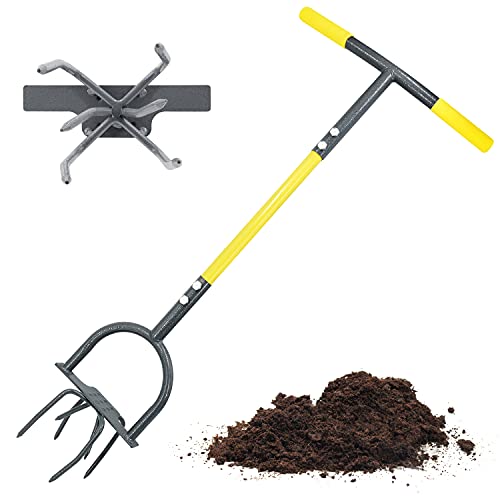
The Jardineer hand tiller features an anti-slip foot plate that increases downward force with each step, aiding penetration into compacted beds. Its curved handle and extended design reduce twisting and back strain, making it user-friendly for seniors or gardeners with joint concerns. The razor-sharp tines target hard soil and weed-laden patches, delivering aggressive soil penetration. This tool promotes ventilated soil, supporting water, air, and fertilizer movement for root-friendly conditions.
Highlights to consider: robust powder-coated steel for durability, a one-tread soil entry, and a design that aids in deep tilling and aeration. Best for gardeners who need strong leverage in raised beds and flower boxes without bending or kneeling excessively.
Walensee Upgrade Twist Tiller Manual Hand Tiller

The Walensee Twist Tiller uses four sharp curved tines to penetrate soil smoothly, enabling easy turning and soil loosening in both large open areas and narrow spaces. A longer, 16.5-inch T-shaped handle with ergonomic rubber grips reduces twisting effort and hand fatigue. The tool is designed to aerate soil for healthier roots and better water infiltration, while also accommodating easy assembly and space-saving storage. It is effective for beds and plant boxes but not suitable for cement or rock removal.
Considerations: the long handle enhances reach and reduces strain, but the tool requires a firm soil base to achieve maximal turning. Ideal for gardeners who want deeper penetration with less effort per motion and broader loosening to cover larger bed sections.
Jardineer Hand Tiller Garden Claw Set

This set combines a garden twist tiller with a small soil tiller, enabling efficient cultivation in flower boxes and pots as well as raised beds. The anti-slip foot plate helps one-tread penetration, while the ergonomic curved handle reduces twisting and forearm strain. The arrow-sharp tines deliver aggressive tilling for fertile seedbeds, with powder-coated steel ensuring long-term durability for frequent use in flower beds and containers.
Practical notes: the bundle is well-suited for mixed bed layouts where tight spaces require precise tilling. It provides versatility for spot-tilling and targeted aeration around perennial plantings and annuals alike.
Colwelt Rotary Cultivator

The Colwelt rotary cultivator is designed to break up compacted soil and improve water penetration and nutrient absorption. Its detachable aluminum tines add versatility for different bed layouts and reseeding tasks, helping to prepare seedbeds and soften soil for transplanting. The tool aims to transform uneven dirt into fluffy, ready-to-plant soil and provides effective aeration to support root development.
Key points: compact design with detachable components for customizing depth and reach. Best for gardeners who want a lightweight tool that can adapt to various bed shapes and planting schemes without heavy equipment.
Altdorff Manual Twist Tiller
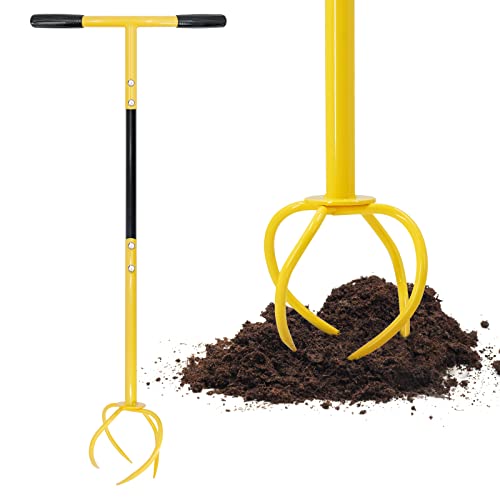
The Altdorff twist tiller uses a 17.7-inch arc handle to minimize twisting, leveraging body strength to rotate sharp angled claw tines into compacted soil. Four arrow-tipped tines provide powerful penetration for cultivating, loosening, aerating, and weed control in beds and plant boxes. The design emphasizes a comfortable grip and simple assembly for use in raised beds and border plantings.
Considerations include ensuring you have enough space to maneuver the longer handle and that soil is soft enough to avoid damage to tines. This tool is well-suited for gardeners seeking a balance of leverage and precision in smaller garden plots.
Buying Guide: Key Purchase Considerations And Comparisons
- Soil conditions: Choose tools with rugged tines for compacted soil and softer soils for regular maintenance. Detachable or multiple-tine designs help adapt to different soil textures.
- Ergonomics and fatigue: Look for long handles, arc or T-shaped grips, and anti-slip features to reduce twisting and minimize strain during extended use.
- Bed size and reach: Larger raised beds benefit from longer handles and wider tines, while narrow spaces in pots or borders favor compact, easily maneuverable models.
- Durability: Powder-coated steel and solid construction extend tool life in outdoor conditions and resist rust from moisture and fertilizers.
- Versatility: Some sets include multiple tools or adaptable attachments, enabling tilling, aeration, weed control, and seedbed preparation in a single kit.
- Maintenance: Easy assembly, cleaning, and storage matter for frequent gardeners. Check for tools that wash easily and store compactly.
- Limitations: Manual tillers are best for topsoil and shallow tilling; avoid using them on cement, rock, or deeply compacted planters where damage could occur.
In summary, the best tiller for your flower beds depends on bed size, soil type, and how much leverage you want. For frequent use in raised beds and containers, tools with ergonomic handles and robust tines are advantageous. When gardening in tight spaces, consider compact or adjustable designs. For broader plots, multi-tine and long-handle tillers can reduce effort while delivering thorough soil preparation.