Looking for thornless, sun-loving climbing roses that brighten the garden with yellow blooms? This guide highlights top thornless yellow climbing roses that are well-suited for fences, arbors, and trellises. Each pick is evaluated for maintenance, growth habit, and bloom quality, helping you choose the best fit for your landscape. The selections favor safety, ease of care, and reliable spring or early-summer color. Below you’ll find concise buying guidance and a quick product comparison to help you decide which one to plant first.
| Product | Best For | Key Benefit | Notes |
|---|---|---|---|
| Lady Banks Rose – Thornless Climbing Rose (Yellow/White) | Low-shed beauty on trellises | Thornless canes, evergreen in warm climates | Zone suitability varies by cultivar |
| Yellow Lady Banks Climbing Rose – Pixies Gardens (Liner/Set of Two) | Fences and arbors, bold color | Hardy, disease-resistant, low maintenance | Two-plant set, compact shipping size |
| Yellow Lady Banks Climbing Rose – Pixies Gardens (7 Gallon/Set of Two) | Large coverage in gardens | Same great thornless trait with larger container | Ideal for faster establishment |
| Yellow Lady Banks Rose – Live Climbing Rose Bush | Starter plant for color | Thornless, fragrant yellow blooms | One-gallon starter option |
| Yellow Climbing Rose Seeds – Bulborium | Garden design flexibility | Seed-based option for climbers | Grows differently from live plants |
Heirloom Climbing Roses, Live Own Root Plant for Outdoor Garden

Best for: Gardeners who want hardy, self-supporting roses that stay true to variety. This own-root rose typically delivers strong bloom and robust growth, especially in zones 6–9. The plant is supplied in a one-gallon container and is 12–16 months old, which helps it establish quickly in a new bed. Because it is own-root, it often shows resilient vigor and more consistent blooming compared with grafted plants.
Why selected: The own-root status supports long-term vitality and repeatable growth. It is a solid starter for climber setups on walls or arbors, offering reliable performance in temperate climates.
Who it’s best for: Gardeners prioritizing durable, long-lived roses with consistent bloom, and those who prefer plants that stay true to their variety over time.
Caution: Availability can be seasonal and growth may vary by local conditions. Ensure you provide sturdy support and appropriate pruning to encourage upward growth.
Lady Banks Rose – Thornless Climbing Rose, Fragrant Yellow or White Blooms

Best for: Trellises, arbors, and privacy screens where safety is a priority. This thornless climbing Rose Banks cultivar offers clusters of small blooms in yellow or white and evergreen foliage in warm climates (Zones 8–9).
Why selected: The combination of thornless canes and year-round greenery makes it a reliable choice for decorative cover and quick floral impact in temperate zones.
Who it’s best for: Homeowners seeking a graceful, low-prickle climber that provides quick-scale coverage with spring bloom bursts.
Caution: In cooler zones, winter protection may influence vigor and leaf retention. Growth can be zone-dependent, so verify climate compatibility.
Yellow Lady Banks Climbing Rose – (Liner/Set of Two)
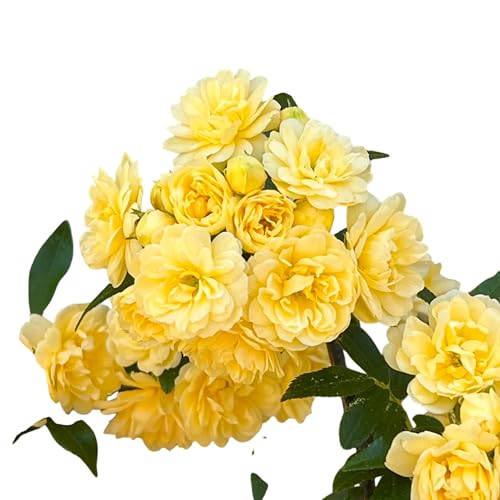
Best for: Quick coverage on a budget, with the advantage of a multi-plant set. The liner/set approach helps gardeners start multiple climbing lines along fences or trellises.
Why selected: The yellow color provides bright spring interest, and the nearly thornless canes keep maintenance straightforward for beginners and families.
Who it’s best for: Those expanding a climbing rose display or creating a sunny, vibrant backdrop in zones 6–9.
Caution: Liner plants may require more initial care to establish; ensure consistent moisture during the first growing season.
Yellow Lady Banks Climbing Rose – 7 Gallon Set of Two
Best for: Faster establishment in larger landscapes or professional plantings where rapid vertical growth is desired. The larger container supports quicker growth and a sturdier start.
Why selected: The set-of-two option with 7-gallon size offers a robust foundation for larger climbing structures and quicker visual impact.
Who it’s best for: Gardeners seeking denser coverage and a more substantial plant presence early in the season.
Caution: Larger plants require stronger support structures and more irrigation capacity to maintain vigor in hot periods.
Lady Banks Rose – Thornless Climbing Rose, Fragrant Yellow or White Blooms (1 Gallon)
Best for: Starter plant users looking to add a thornless climbing rose with evergreen appeal. The 1-gallon plant is easy to transplant into garden beds or containers.
Why selected: This option emphasizes fragrance and color variety (yellow or white), while maintaining the thornless trait for safer handling.
Who it’s best for: Weekend gardeners wanting an approachable entry into climbing roses without heavy pruning or complex care routines.
Caution: One-gallon plants may take longer to reach full height compared to larger containers; plan for staged growth and training.
Yellow Lady Banks Rose – Live Climbing Rose Bush (1 Gallon)

Best for: Compact spaces where a thornless climbing option is desired, such as small fences or entry arches. The 1-gallon plant is ideal for beginners and patience-friendly gardeners.
Why selected: The combination of thornless canes and vibrant yellow blooms delivers strong visual impact with minimal risk during handling.
Who it’s best for: Home gardeners seeking a reliable, low-maintenance climber with spring color and fragrance.
Caution: Growth may be slower in cooler climates; timely winter protection may help preserve vigor in marginal zones.
100PCS Yellow Climbing Rose Seeds – Fragrant Yellow Rose Vine

Best for: Garden designers who want to create custom climber displays using seeds, such as privacy screens or arbors with a preferred growth pattern.
Why selected: Seeds offer an alternative route to climber growth, enabling planters to shape and train canes from a young stage.
Who it’s best for: Experienced gardeners or those seeking cost-effective bulk planting options with seasonal bloom potential.
Caution: Seed-grown climbers may take longer to reach flowering and require more ongoing maintenance to achieve full coverage.
Buying Guide: Thornless Yellow Climbing Roses
Key factors to consider when choosing thornless yellow climbing roses:
- Growth habit: Some plants are naturally vigorous climbers, while others have slower ascent. Choose based on available structure and space.
- Thornlessness level: Even among thornless varieties, some cane tips can have light thorns; verify cultivar details if safety is essential.
- Climate suitability: Most listed options are best suited for USDA zones 6–9. Verify zone compatibility for winter survivability.
- Bloom timing: Some varieties bloom in spring with repeat flushes, while others bloom once. Decide whether you want continuous color or a seasonal highlight.
- Maintenance needs: Disease resistance and pruning requirements vary. Look for disease resistance notes and consider your pruning routine.
- Container vs. bare-ground: Large container plantings establish faster but require consistent watering. Ground plantings offer long-term stability with less frequent watering.
Frequently Asked Questions
- Are thornless yellow climbing roses easier to manage than traditional roses? Yes, generally they are easier to handle due to reduced thorn exposure and simpler pruning.
- Which zones are best for yellow thornless climbers? Most options in this guide are suited for USDA zones 6–9, with some evergreen behavior in zones 8–9.
- When do these roses typically bloom? Many yellow climbers bloom in spring with potential repeat flowering, depending on cultivar and climate.
- Do these climbers require special support? Yes, provide sturdy trellises, arbors, or fences designed to bear climbing roses and proper anchoring for wind resistance.
- Can I plant seeds instead of buying live plants? Seeds can work, but they may take longer to establish and flower, and growth patterns can be variable.
- What’s a quick way to train a climber on a trellis? Start with main canes tied loosely, prune to encourage upward growth, and use ties to guide canes horizontally for even coverage.